Ratings are comparative editorial assessments by Tempo.bg, based on technical specifications and independent tests where available. Actual feel depends on playing style, string setup and individual preferences.
How do we rate racquets?
A playing profile describes the characteristics of a specific racquet on a scale from 1 to 5. These are comparative editorial assessments by Tempo.bg, not official manufacturer ratings or laboratory test results.
A rating of 1 indicates a less pronounced characteristic; 5 indicates a strongly pronounced one. A higher score does not mean a better racquet. Power 5/5 with Control 2/5 represents a different playing character from Power 2/5 with Control 5/5.
We consider specifications for the exact model, its construction and available independent expert reviews. Where reliable independent testing is unavailable, the assessment may rely on technical analysis and editorial judgement. We do not claim to have personally play-tested every racquet.
Ratings are relative to the relevant sport and racquet category. Junior racquets should be considered within their age group rather than directly compared with adult racquets.
What the characteristics mean
Power
Potential to generate power.
Control
Shot precision and predictability.
Spin
Potential to generate spin.
Maneuverability
Ease of handling and acceleration.
Stability
Resistance to twisting and impact.
Comfort
Feel and vibration absorption.
Defense
Ease of response and defensive play.
On-court feel is personal. Strings and tension, technique and playing style can all influence how a racquet performs.
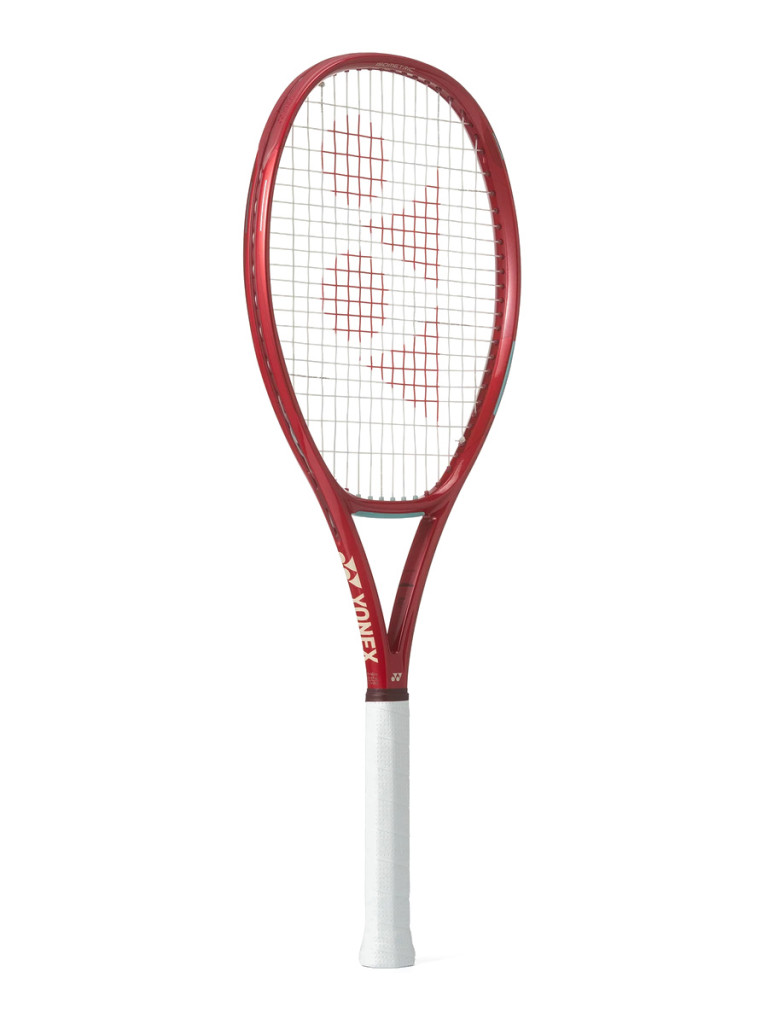
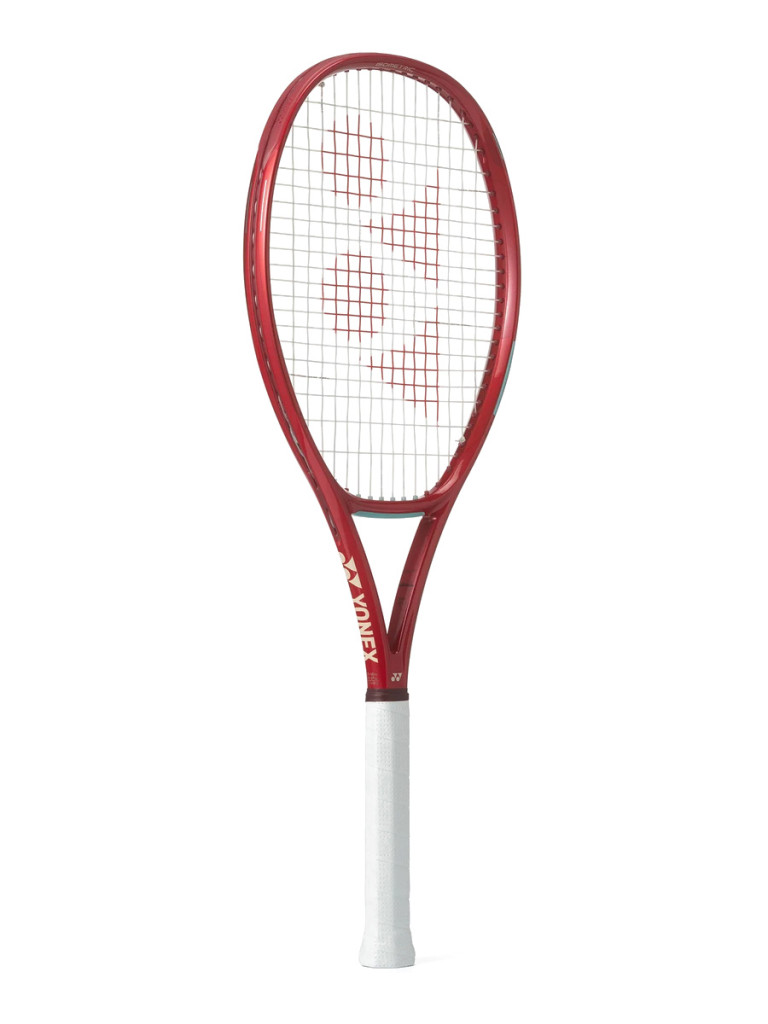
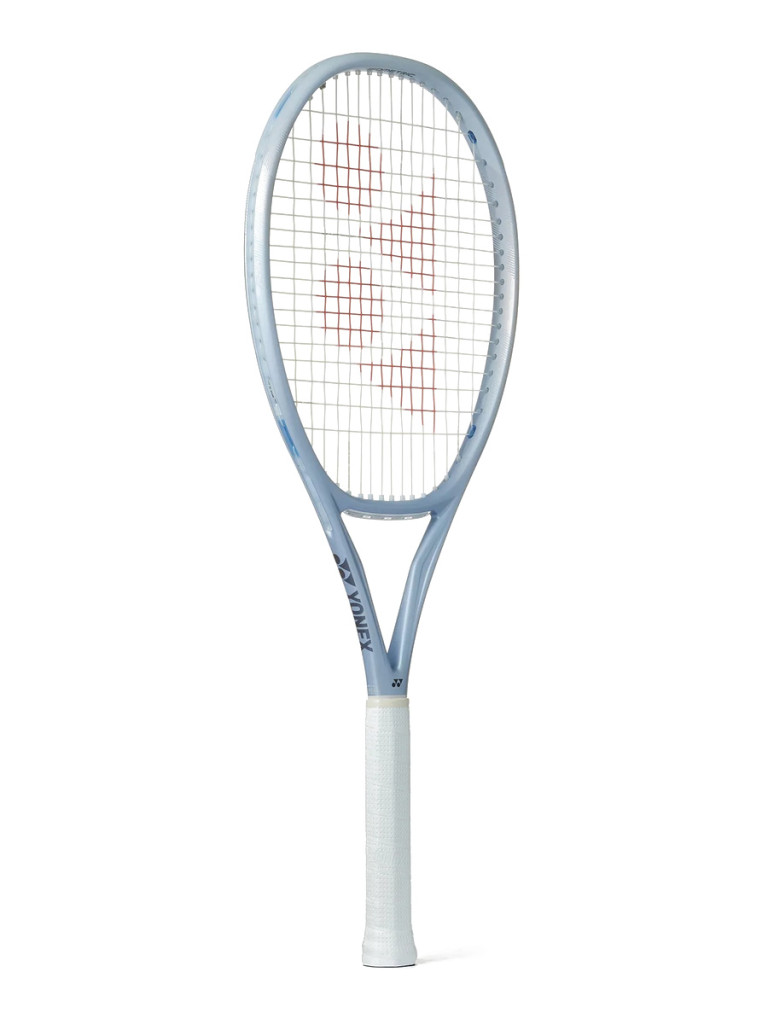
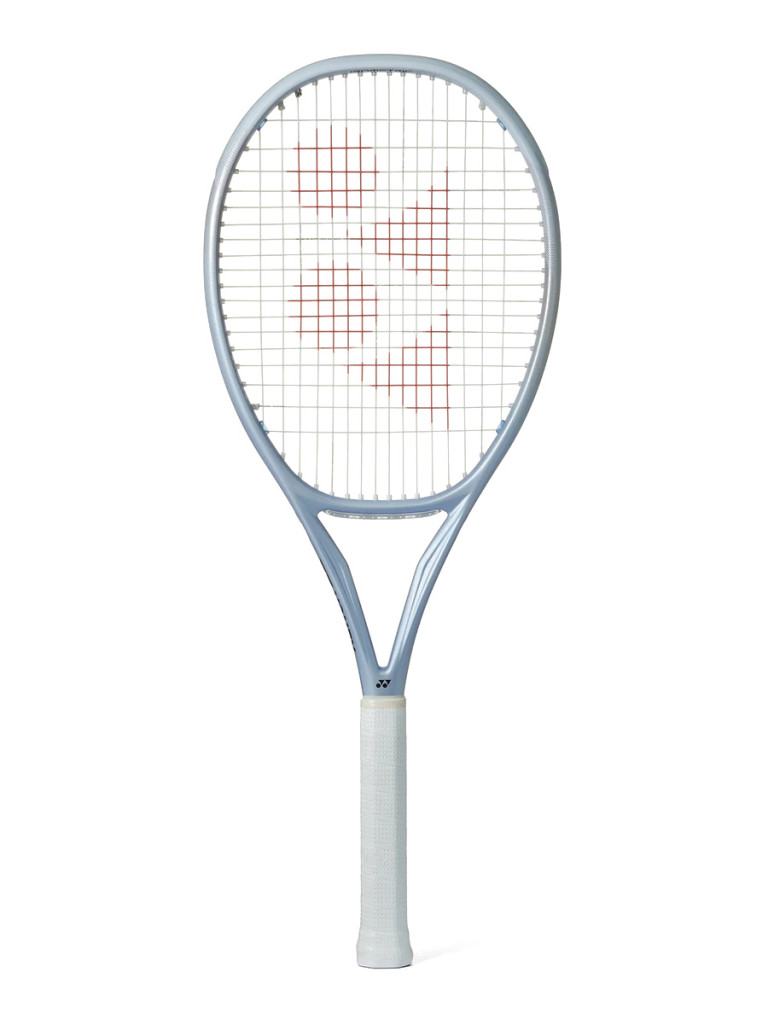
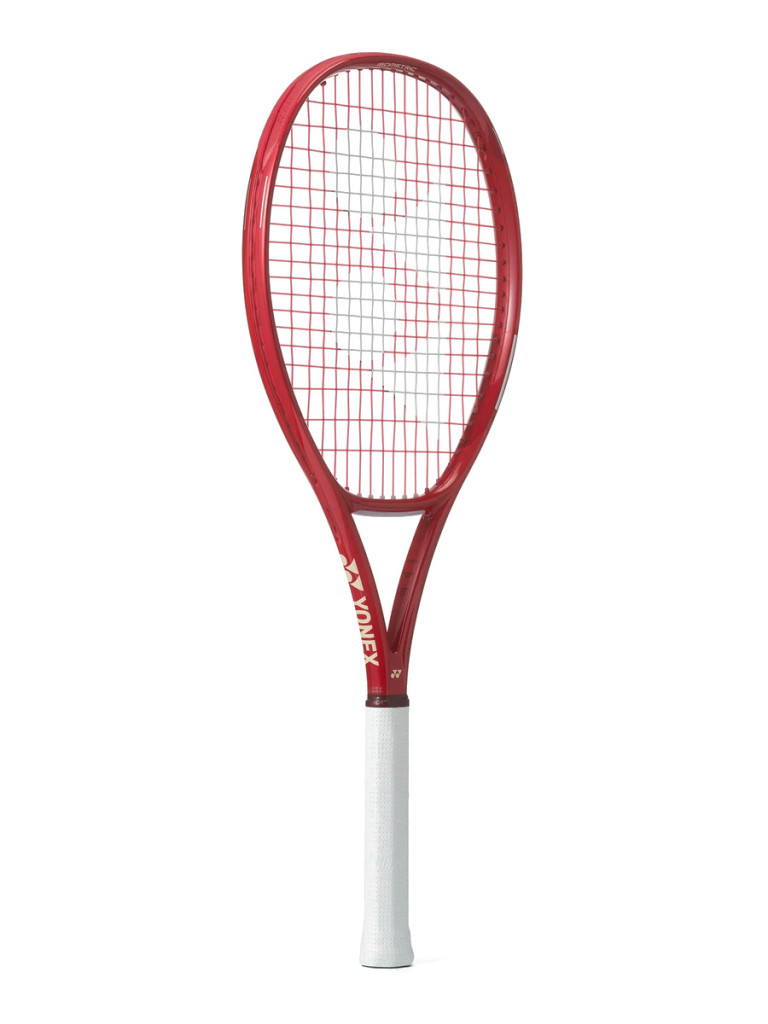
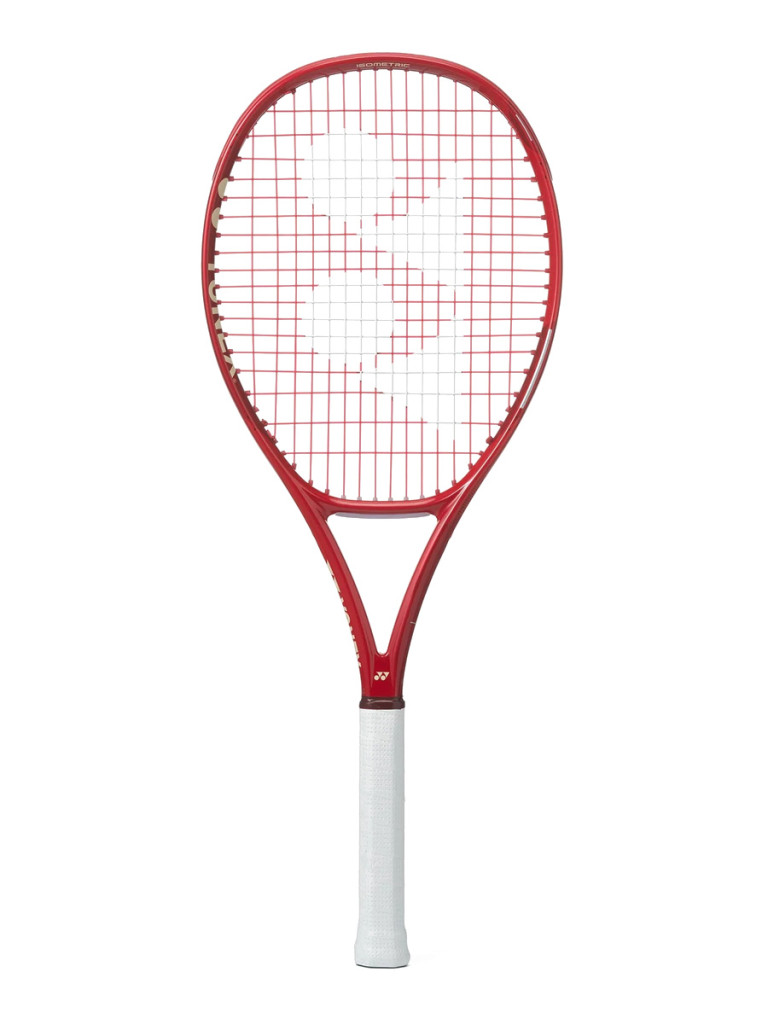
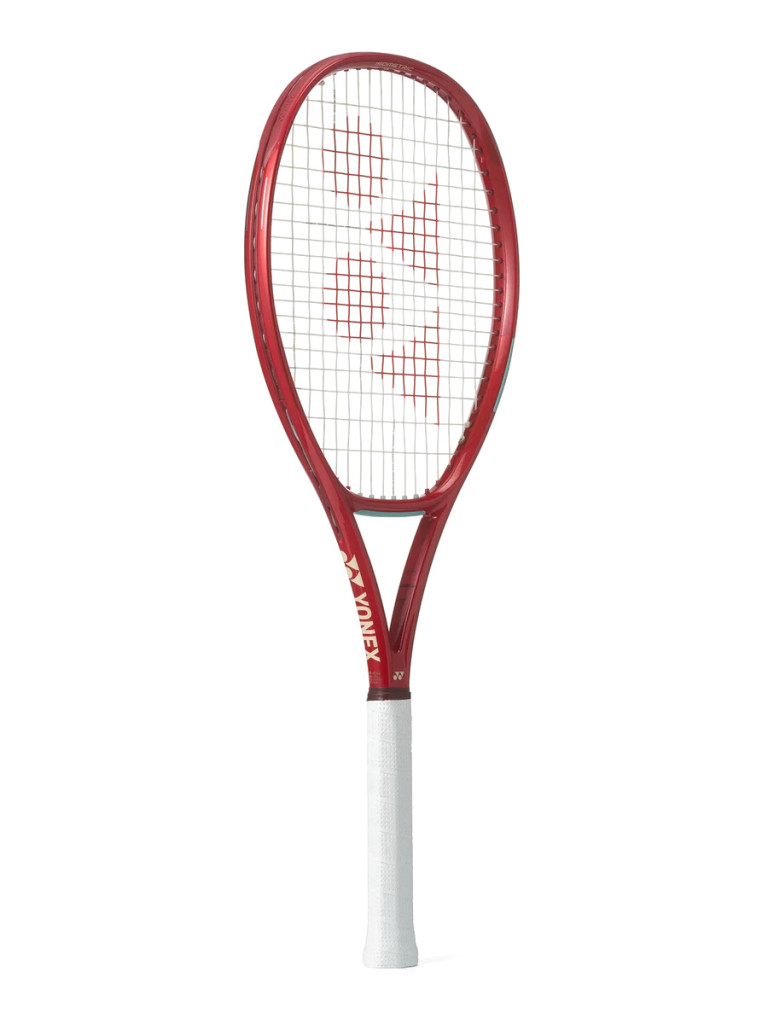
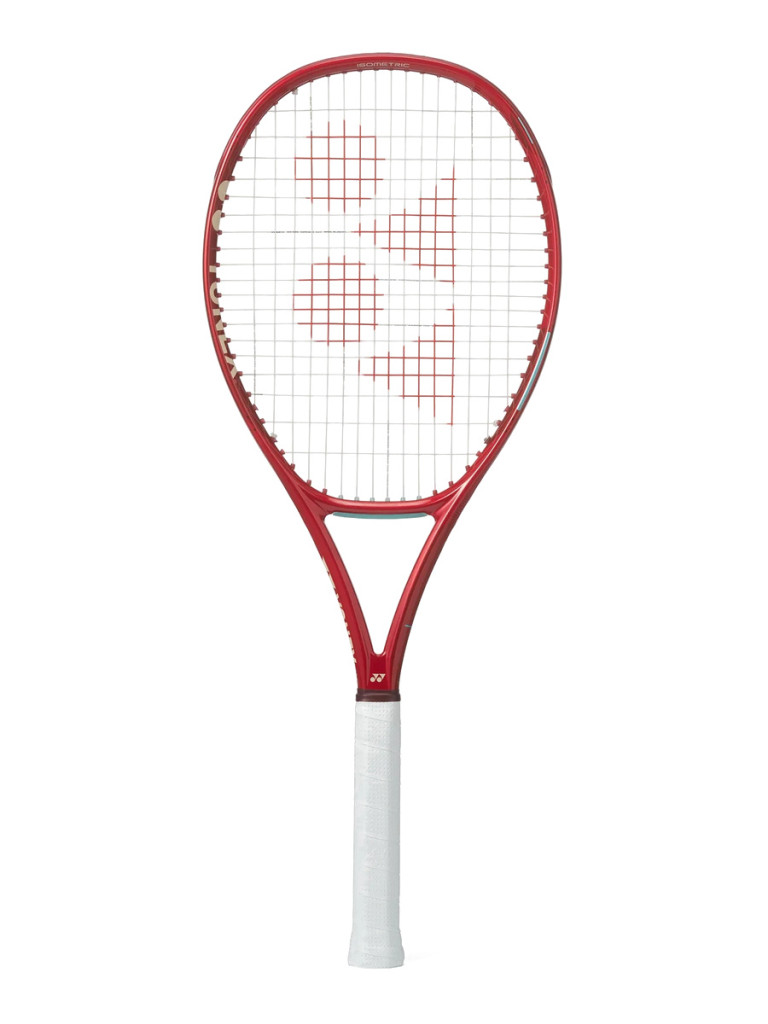
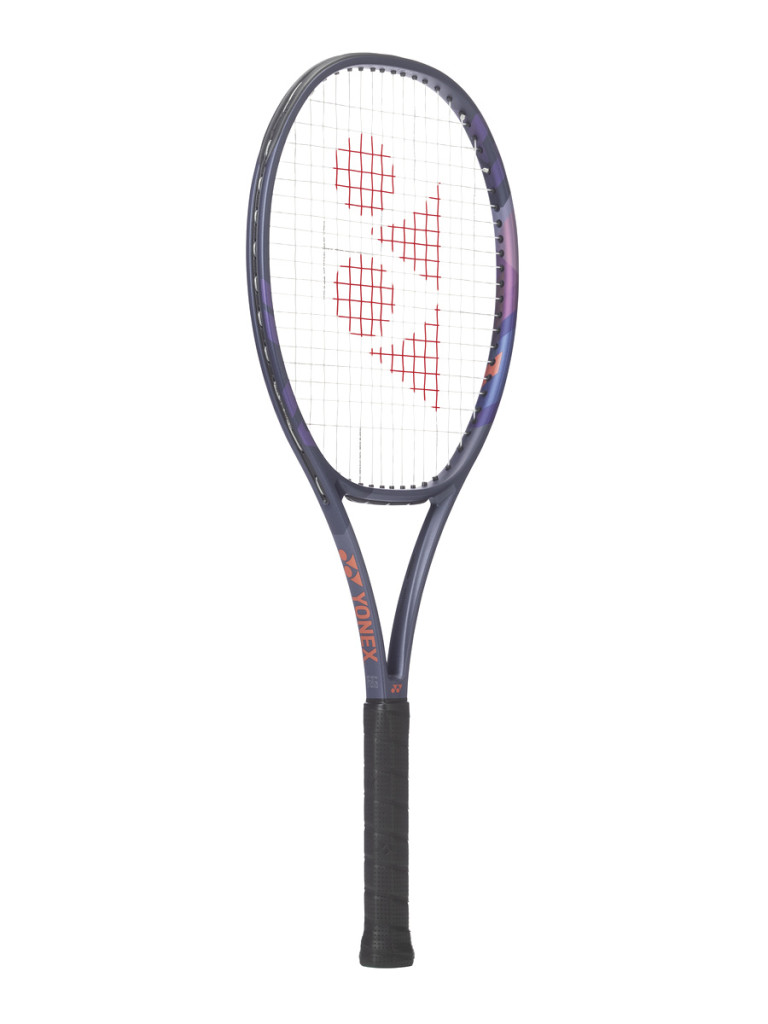
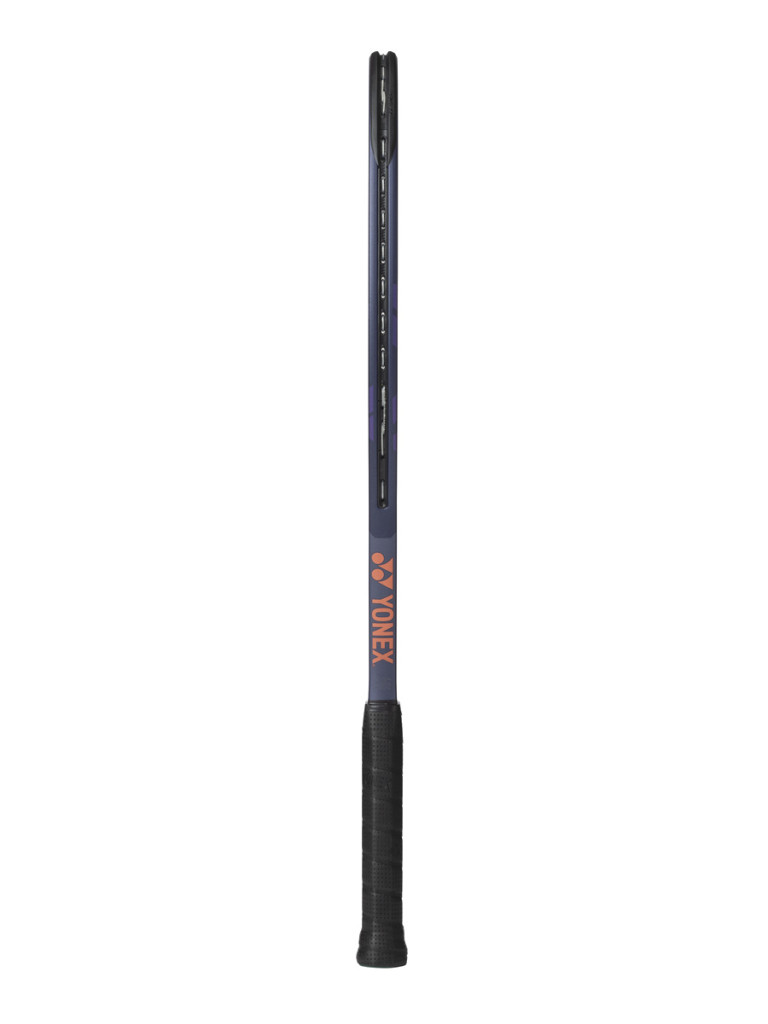
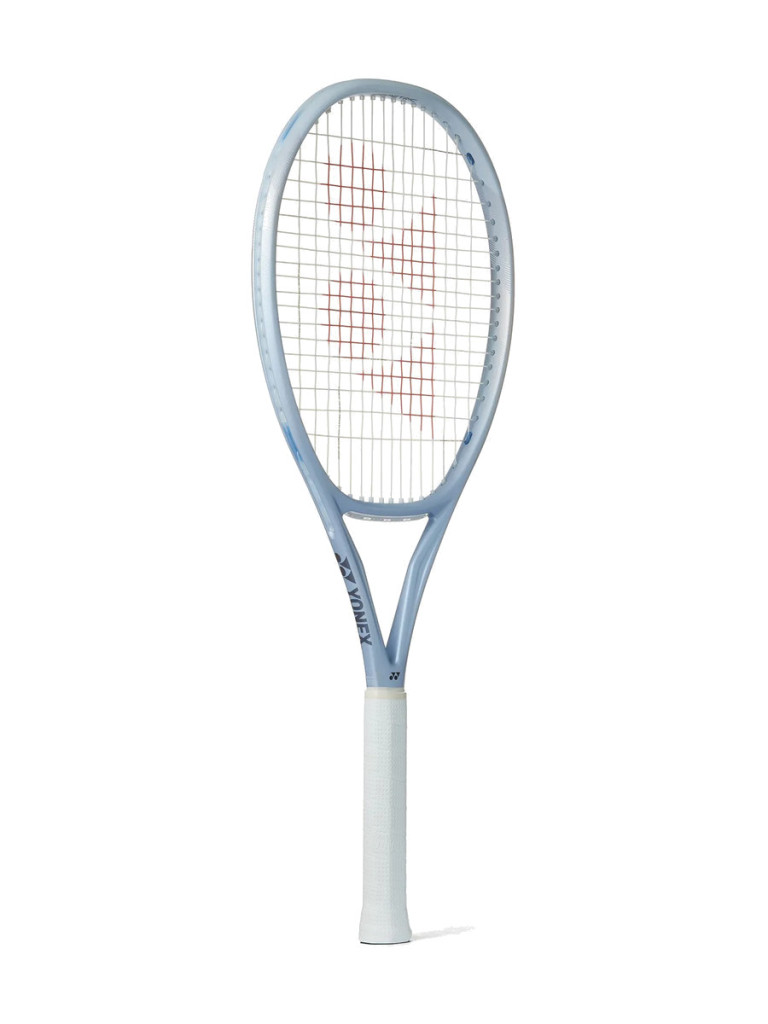
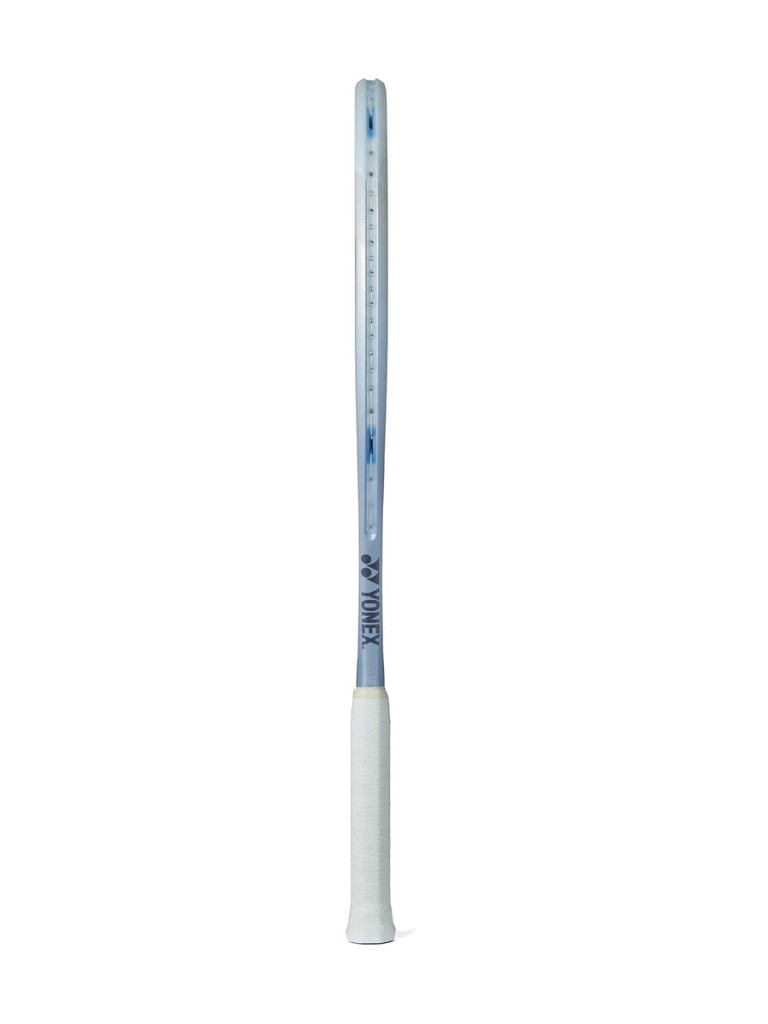
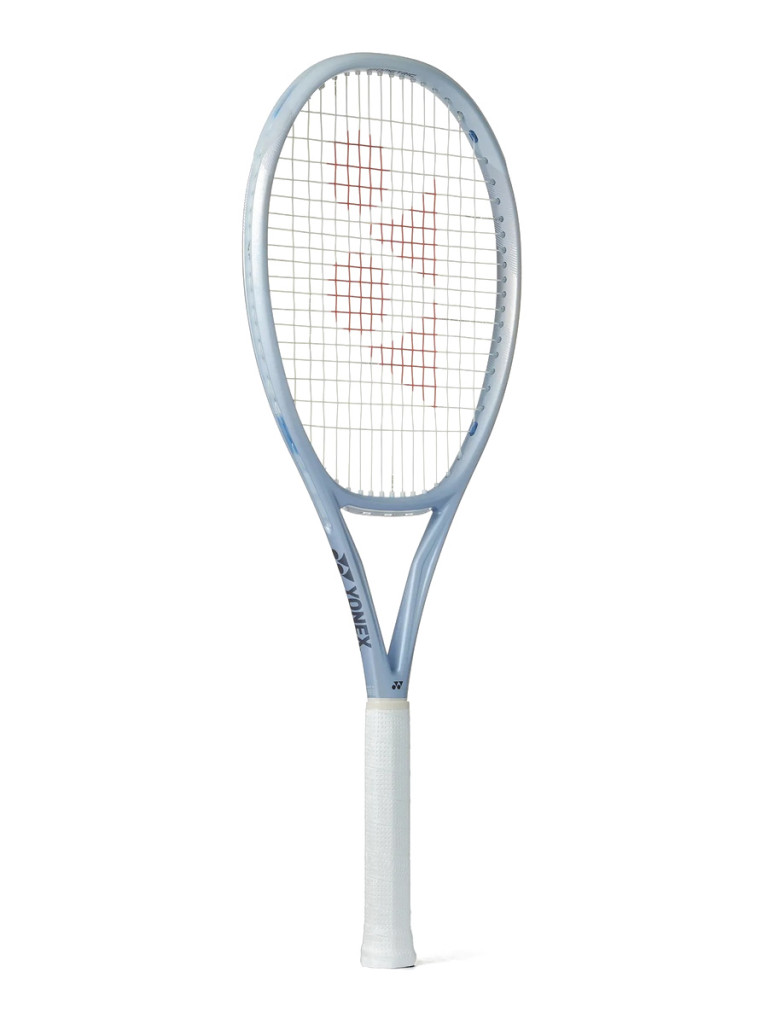
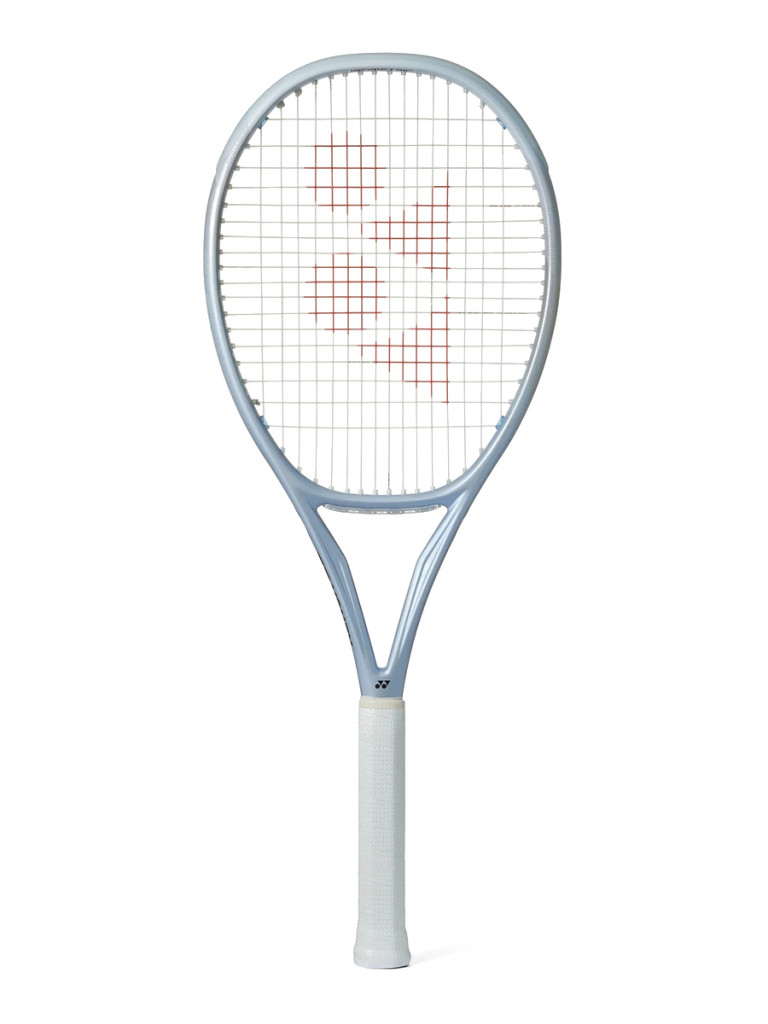
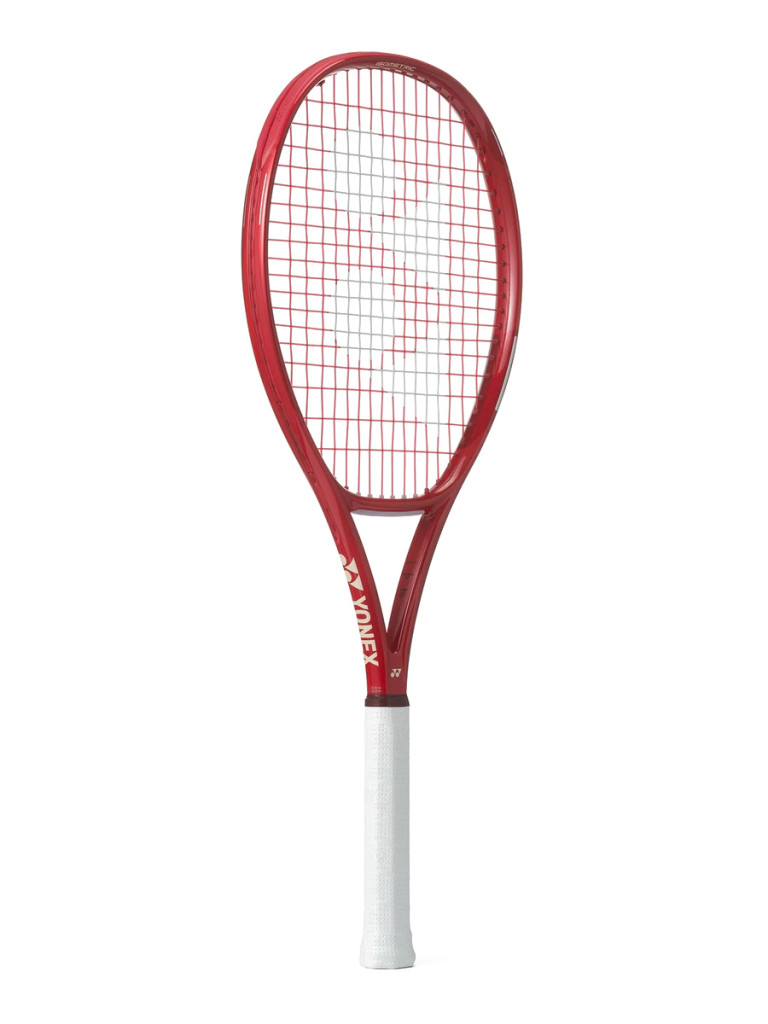
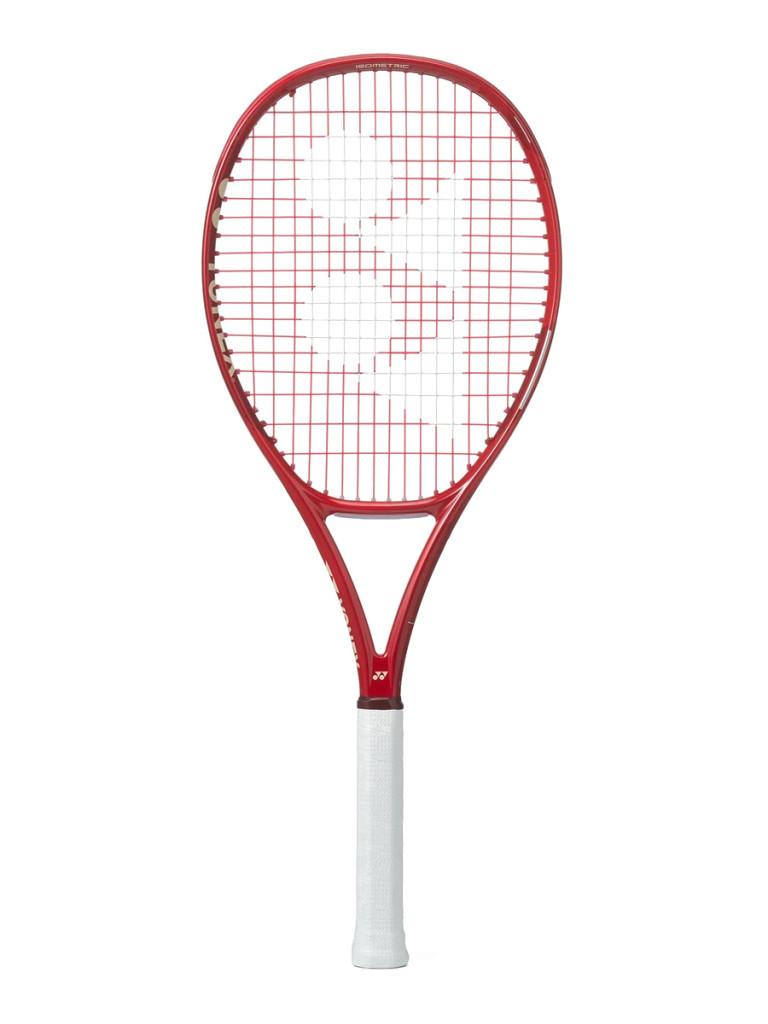
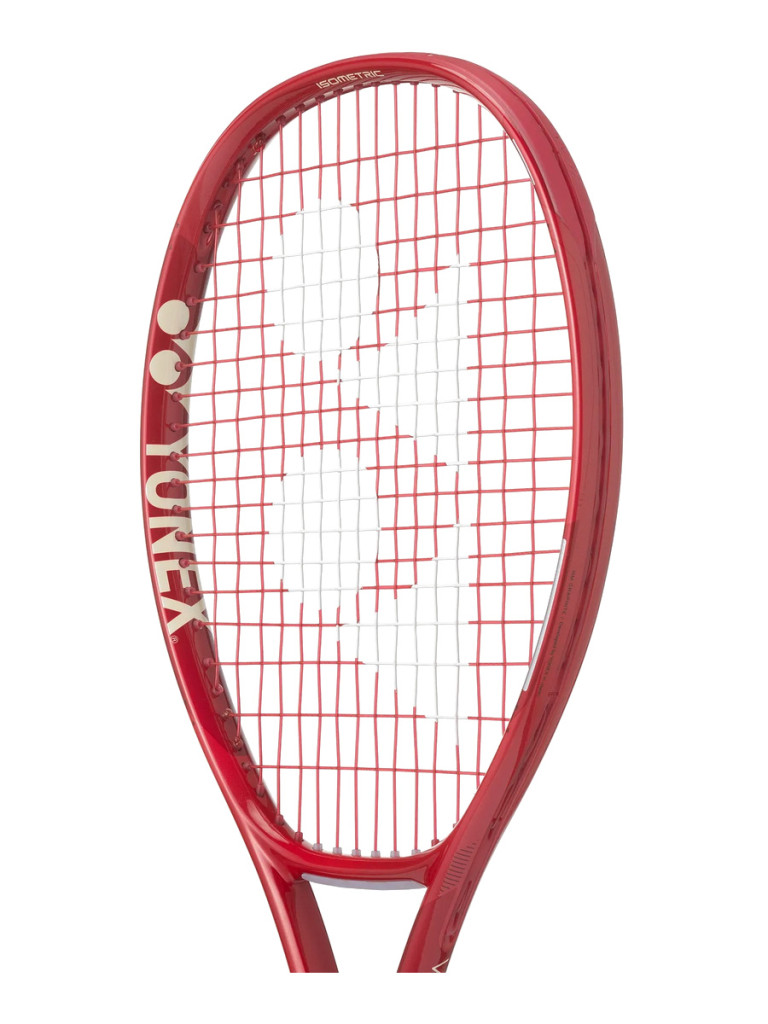
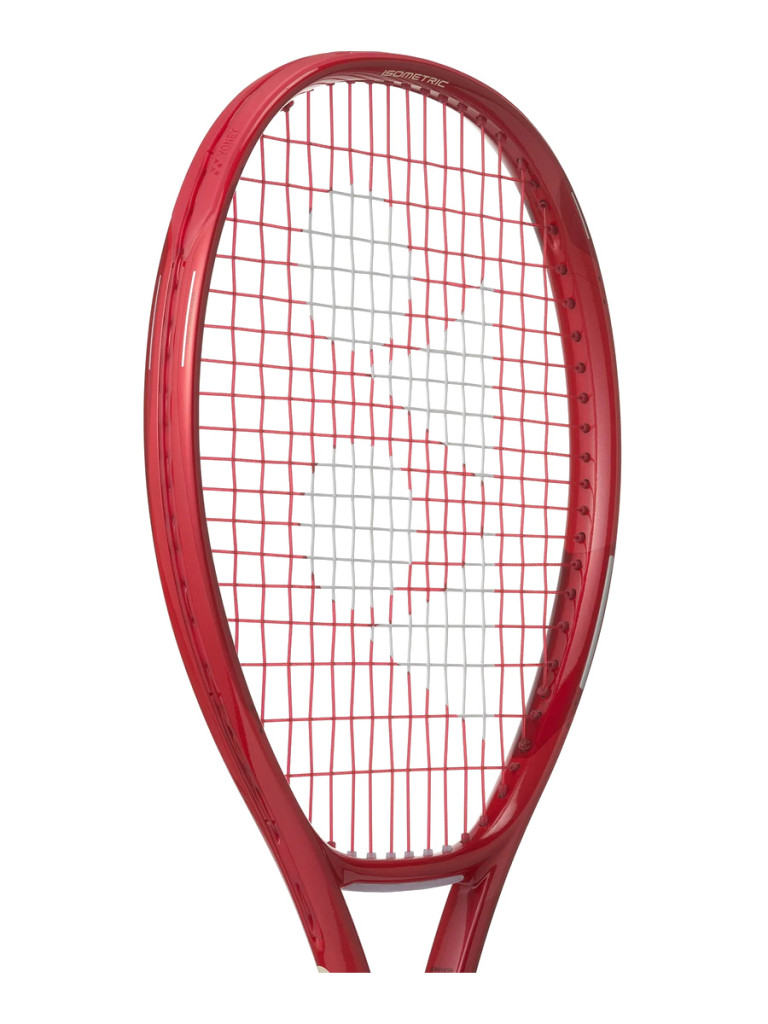
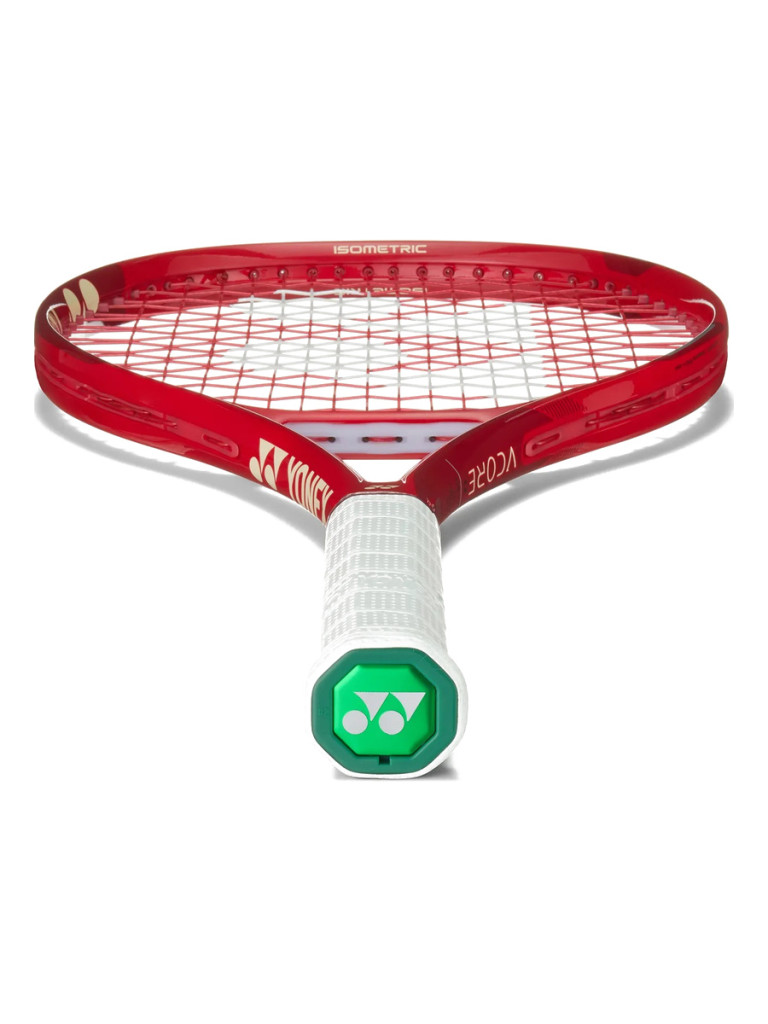
The Yonex VCORE Alpha in Ruby Red makes sense for players gaining confidence and seeking a more substantial full-length racquet. Its nominal 275 g weight is the highest of the three Alpha models, yet remains below the regular VCORE 100. With a 100-square-inch head and standard length, it suits advancing juniors and recreational players who have begun to prepare earlier and accelerate the racquet more deliberately.
A step towards purposeful, spin-focused tennis
The 16/18 pattern and frame profile aim to make depth and trajectory accessible. A 330 mm balance contributes to a noticeable sense of frame presence as the rally picks up speed. If Alpha L feels too light, the regular Alpha may offer the more substantial contact you want, provided your preparation keeps pace with the added mass.
NANOMESH NEO plays a role in the frame response, while Servo Filter and VDM address aspects of impact feel. ISOMETRIC geometry expands the useful contact area in Yonex’s design concept. Alpha is not a passive power shortcut; it is a well-judged development option for players who want their strokes to become more complete.
On court: strengths and trade-offs
Ruby Red VCORE Alpha is the heaviest of the three light Alpha options and serves as a transition to standard 27-inch length. At 275 g, 330 mm balance and 16x18 pattern it targets progressing juniors and recreational players not yet wanting a 300 g frame. It should not be confused with the competition VCORE 100 despite sharing a family name. Compared with Alpha L and SL, the priority is the weight that allows free acceleration and controlled follow-through.
Technical specifications
Head size: 100 in² / 645 cm²
Unstrung Weight (g): 275
Unstrung Balance (mm): 330
Length: 27 in / 686 mm
String Pattern: 16/18
Beam Width (mm): 24.5-26.5-23
Composition: Graphite
Stringing: Strung
Recommended tension: 18-25 kg / 40-55 lb
Stiffness (RA): 64
Grip Size: Grip 0
Level of Play: Beginner, Intermediate
Generation: 8th generation (2026)
Technologies
ISOMETRIC
Yonex ISOMETRIC uses a more squared-off head geometry that optimizes main and cross string intersections. Yonex reports an approximately 7% larger sweet spot than a comparable conventional round head, supporting a more forgiving response when contact is off centre.
Nanomesh Neo
NANOMESH NEO is a material used in the composite construction of selected Yonex racquets. It is designed to combine frame strength with flexibility, supporting a responsive feel at impact.
Servo Filter
SERVO FILTER is an elastic film integrated between graphite layers in the frame. It is designed to reduce unwanted vibrations while preserving useful feedback to the hand for a more precise impact feel.
VDM
VDM (Vibration Dampening Mesh) is a flexible mesh wrapped around the graphite inside the grip. It filters unwanted impact vibrations to provide a smoother, more comfortable feel in the hand.
We use cookies to provide you with the best possible experience. They also allow us to analyze user behavior in order to constantly improve the website for you.