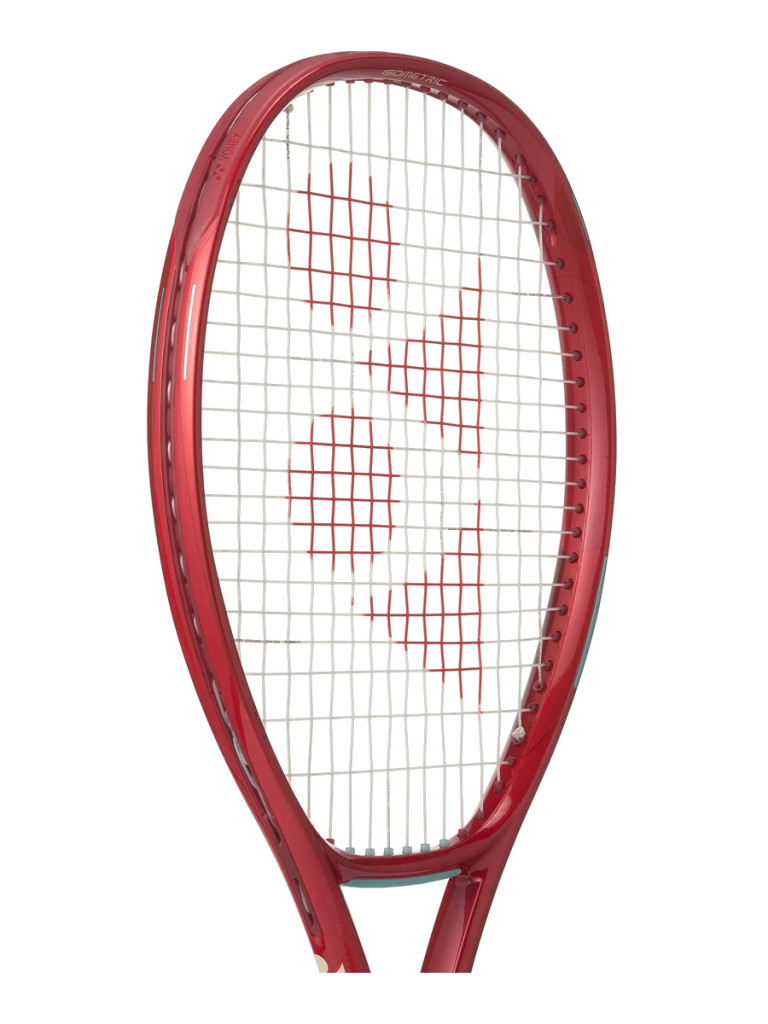
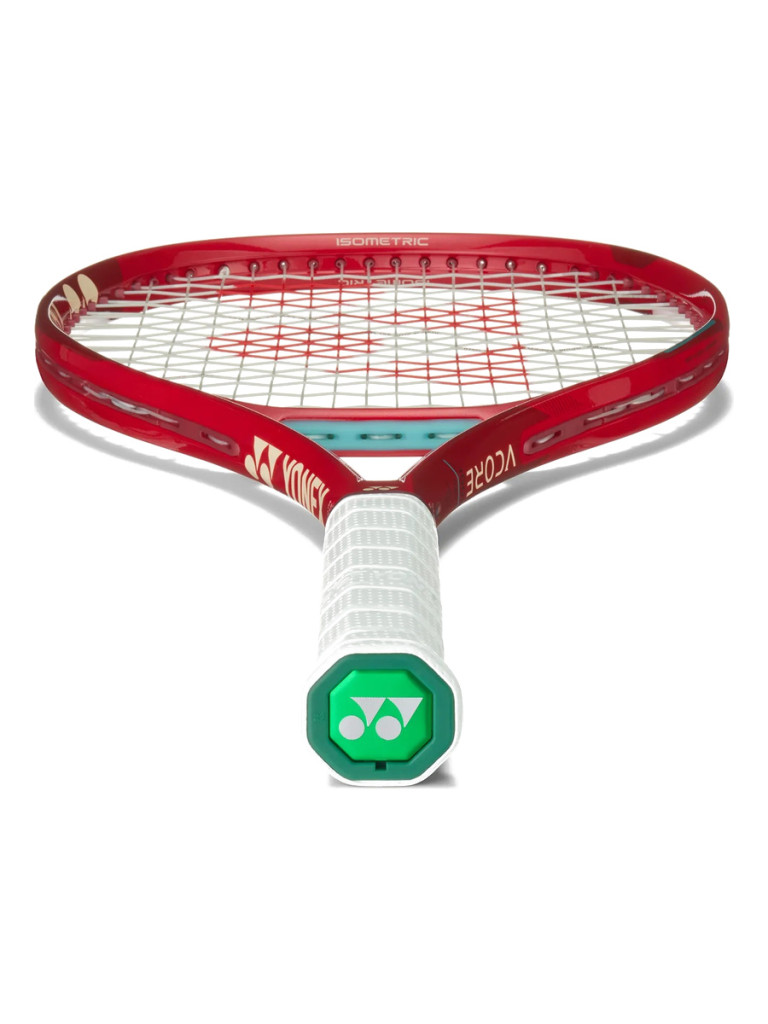
2G-Namd Flex Force
2G-Namd Flex Force is a highly elastic graphite material that allows the frame to flex and snap back quickly during impact. It is designed to support ball pocketing and spin potential while retaining a responsive feel.

Ratings are comparative editorial assessments by Tempo.bg, based on technical specifications and independent tests where available. Actual feel depends on playing style, string setup and individual preferences.
A playing profile describes the characteristics of a specific racquet on a scale from 1 to 5. These are comparative editorial assessments by Tempo.bg, not official manufacturer ratings or laboratory test results.
A rating of 1 indicates a less pronounced characteristic; 5 indicates a strongly pronounced one. A higher score does not mean a better racquet. Power 5/5 with Control 2/5 represents a different playing character from Power 2/5 with Control 5/5.
We consider specifications for the exact model, its construction and available independent expert reviews. Where reliable independent testing is unavailable, the assessment may rely on technical analysis and editorial judgement. We do not claim to have personally play-tested every racquet.
Ratings are relative to the relevant sport and racquet category. Junior racquets should be considered within their age group rather than directly compared with adult racquets.
On-court feel is personal. Strings and tension, technique and playing style can all influence how a racquet performs.
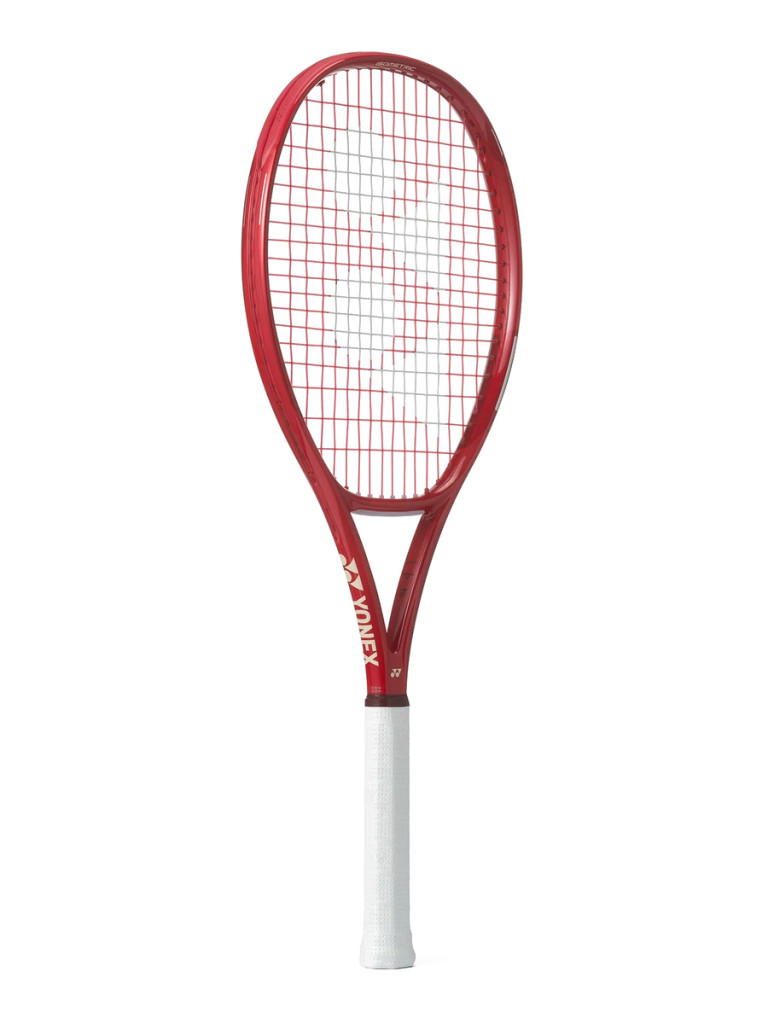
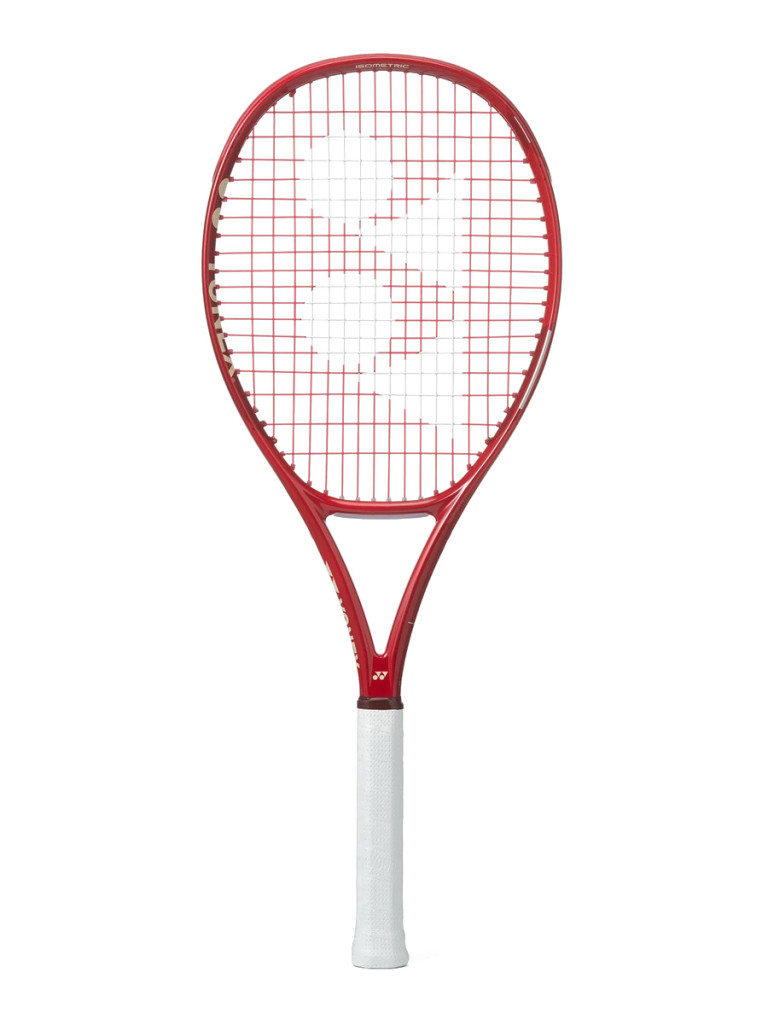
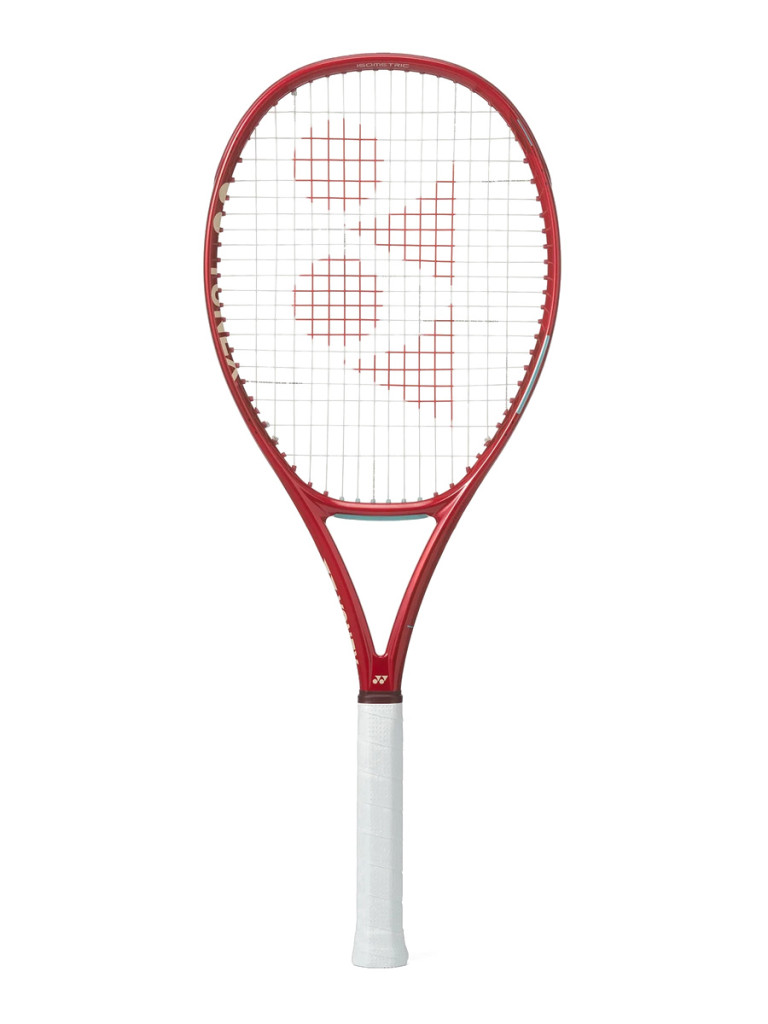
The Yonex VCORE 100D in Ruby Red is for players who like to attack with topspin but want the ball to remain predictable as swing speed increases. Although its head is the same 100 square inches as the standard VCORE 100, this is a distinctly different racquet. A nominal 305 g frame and the denser 16/20 string pattern give it a more controlled identity for players who already manage direction and depth with confidence.
The tighter pattern makes sense for players who mix heavy rotation with flatter, more penetrating shots and prefer a measured launch. A 315 mm balance helps keep preparation manageable, although the additional mass still asks for sound timing. This is a frame for developing an attacking plan, not a shortcut for someone still learning the basic swing.
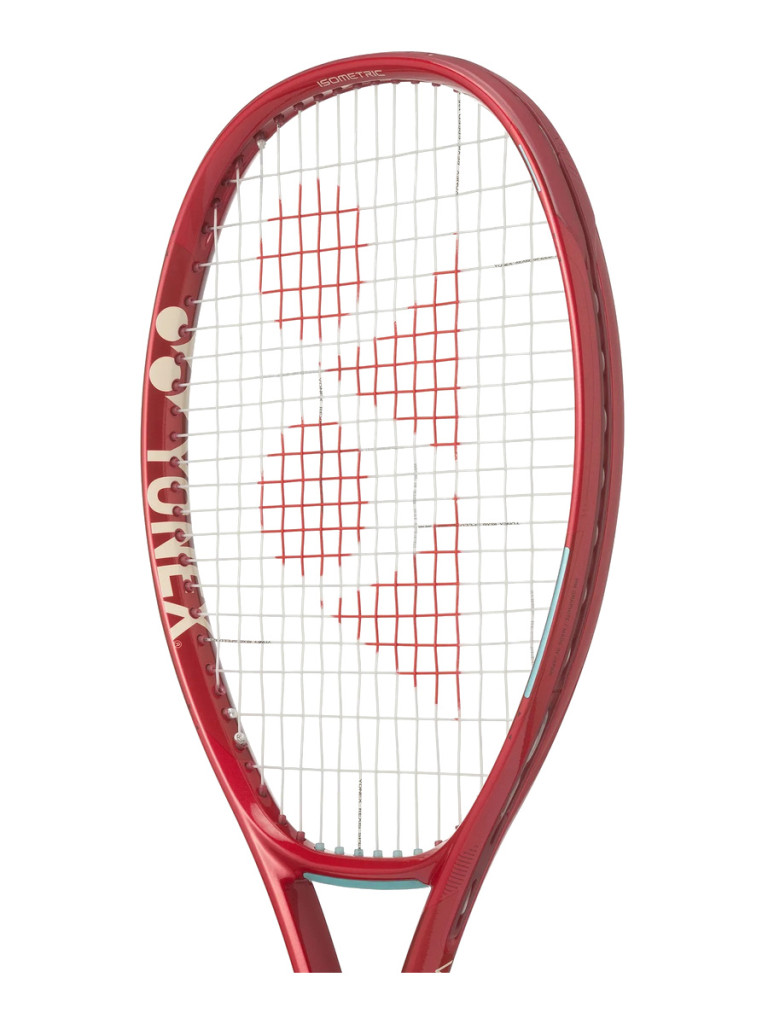
Yonex reshaped the upper hoop and the grommet system in the eighth-generation VCORE to encourage string movement. ISOMETRIC, 2G-Namd Flex Force, Servo Filter and VDM support its broader design goals of spin, stability and connected feel. Players who find the regular 100 a little too lively may prefer this more disciplined interpretation of the VCORE formula.
VCORE 100D is the more control-oriented 2026 VCORE 100 option. Its 305 g mass, 315 mm balance and denser 16x20 pattern support a lower launch and more deliberate placement on flat or moderate-spin strokes. Paired playtests praise that balance on returns, volleys and flat serves. The trade-off is less free height and spin than the regular 100, together with greater swing demands over long rallies.
More from this category
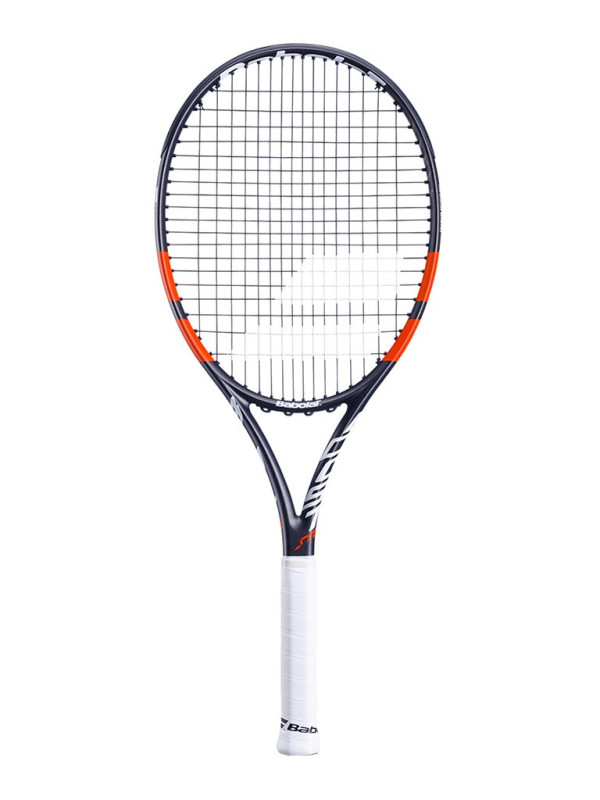
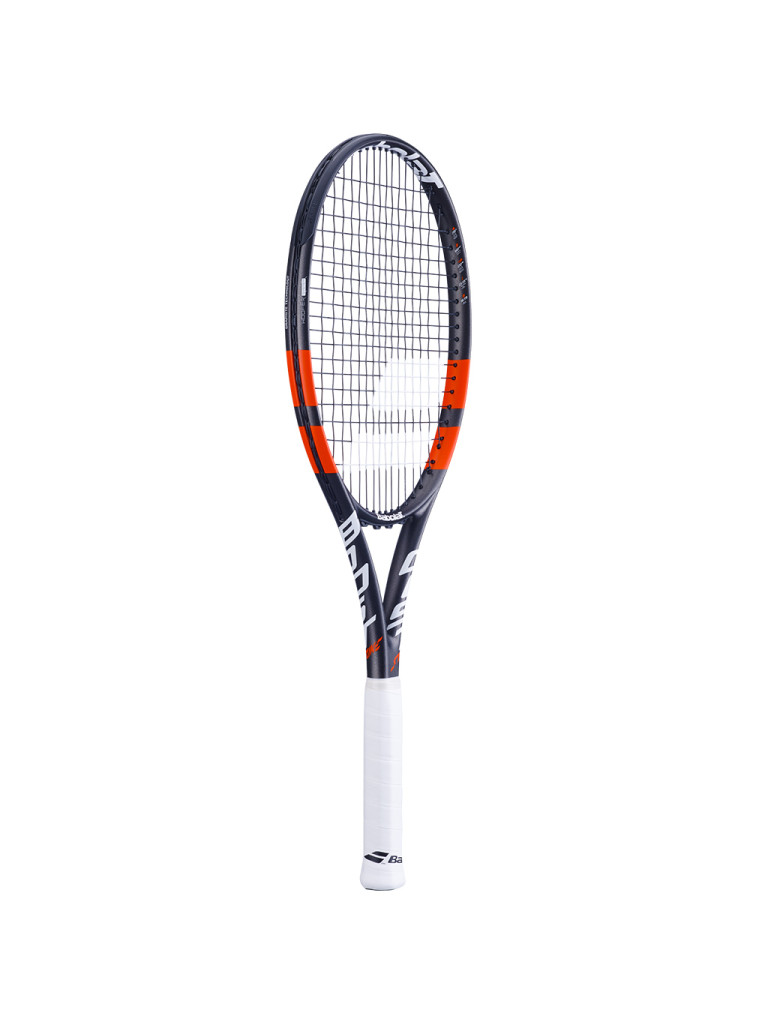
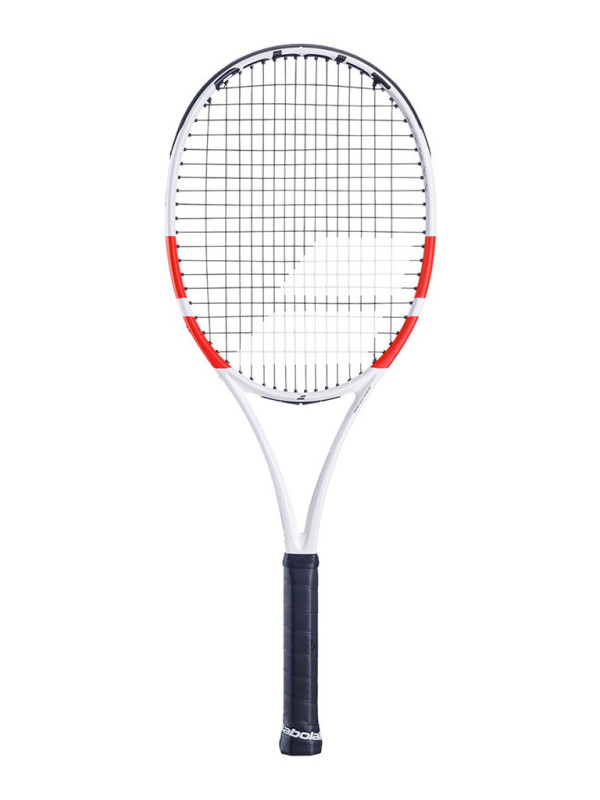
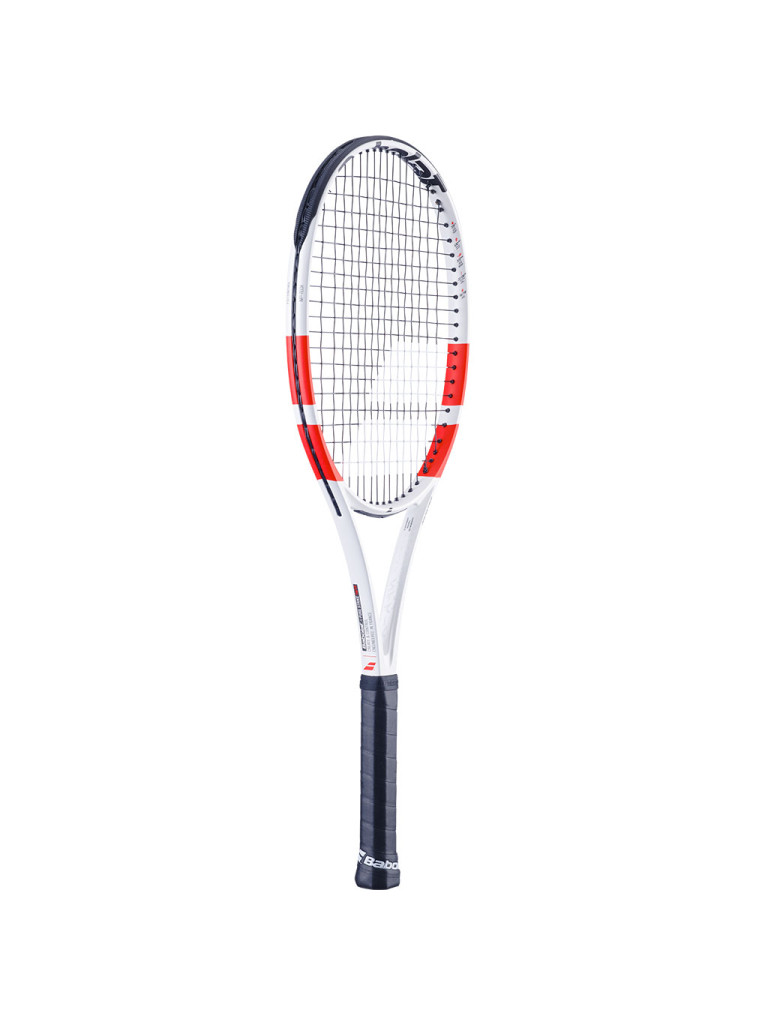
Babolat Pure Strike 16/19 Gen4 Strung Tennis Racquet
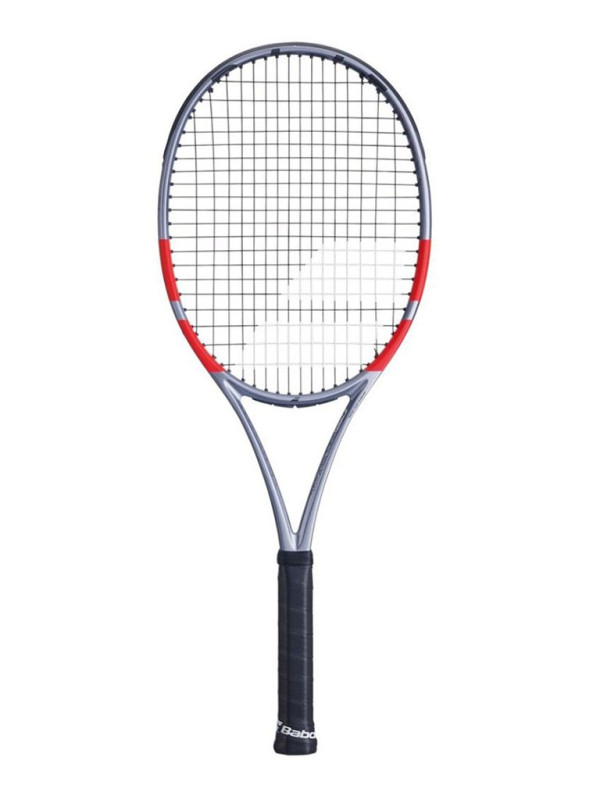
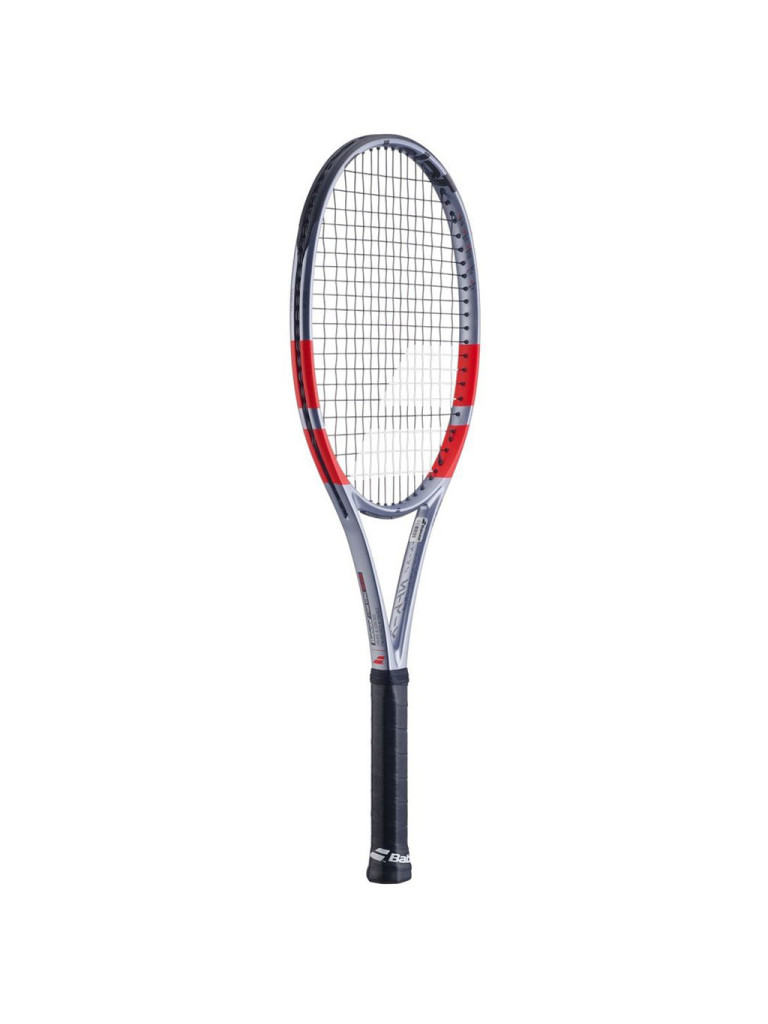
Babolat Pure Strike 98 16/19 Gen4 Grey Fluo Strike Tennis Racquet
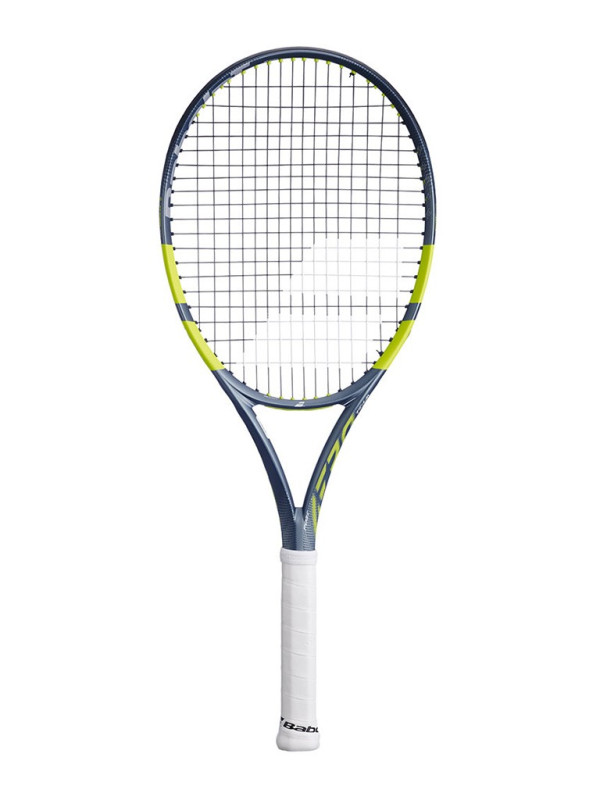
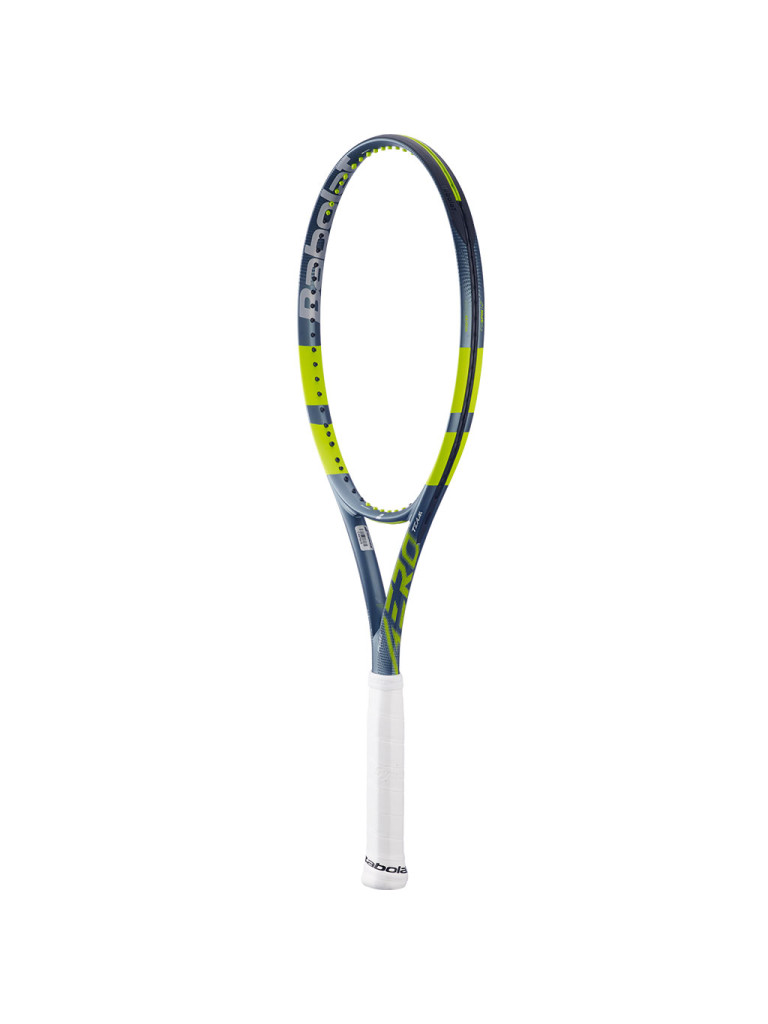
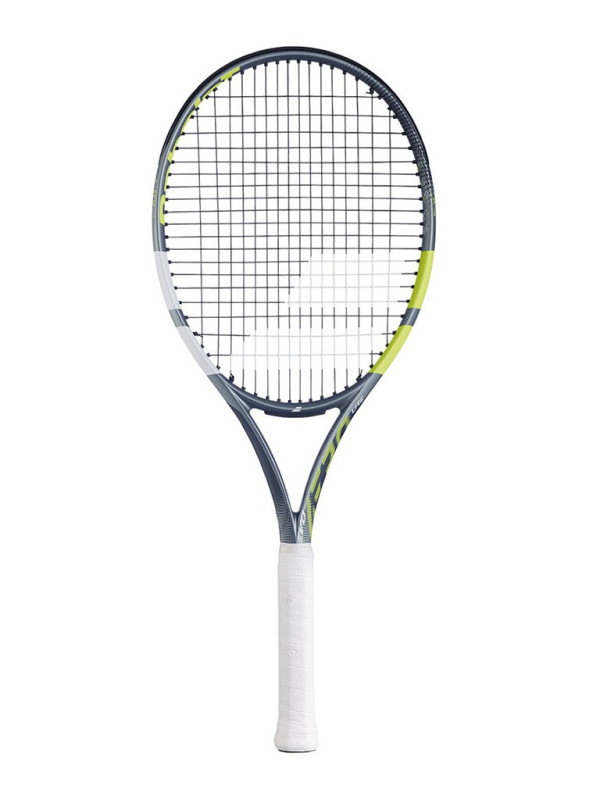
Babolat Evo Aero Lite Gen2 2026 Tennis Racquet
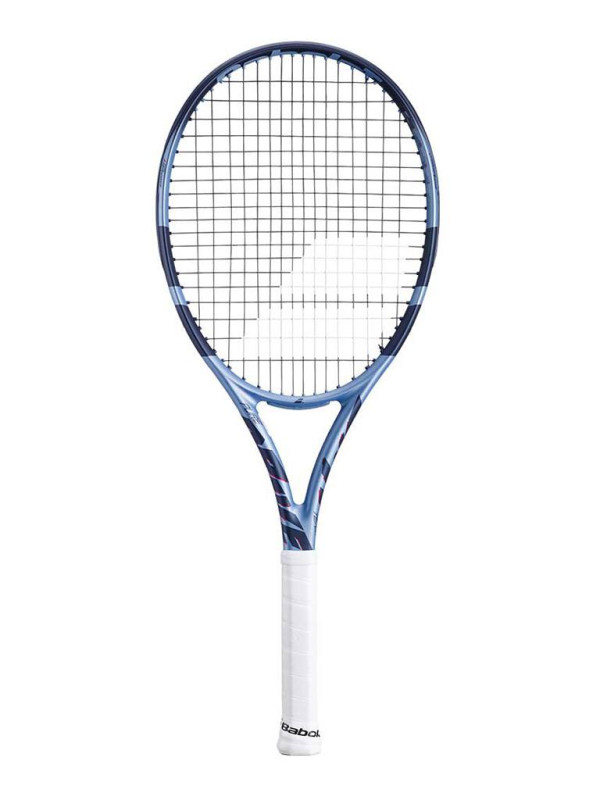
Babolat Pure Drive 30th Anniversary Tennis Racquet
Recently viewed