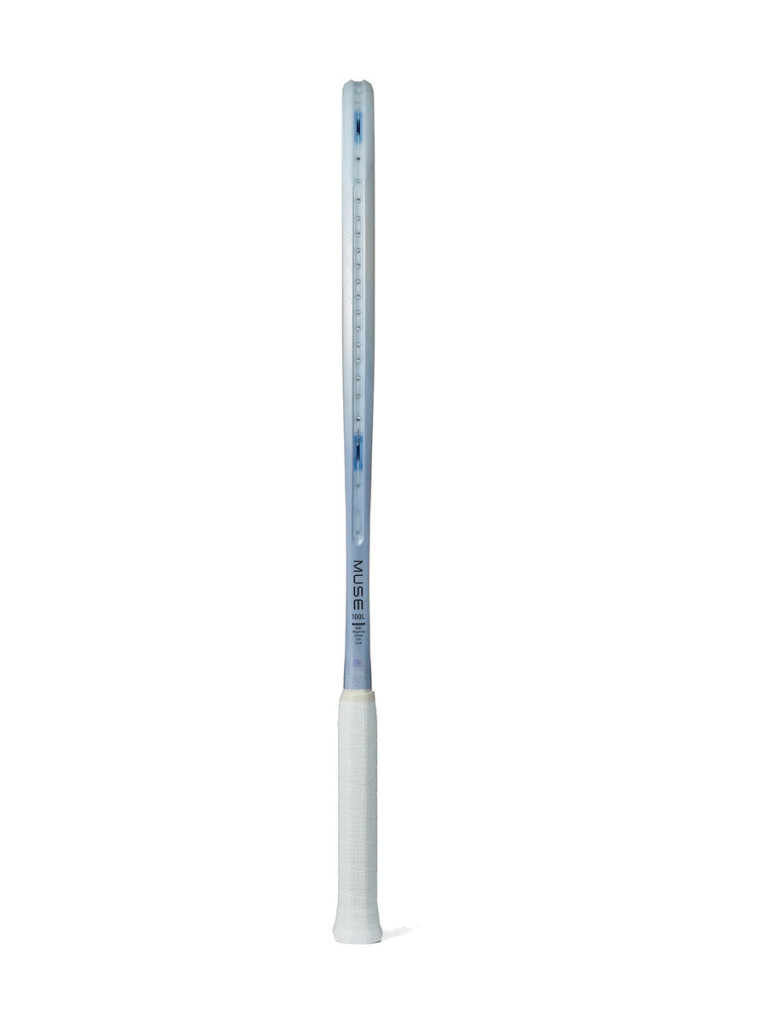
Energy Flow Shaft
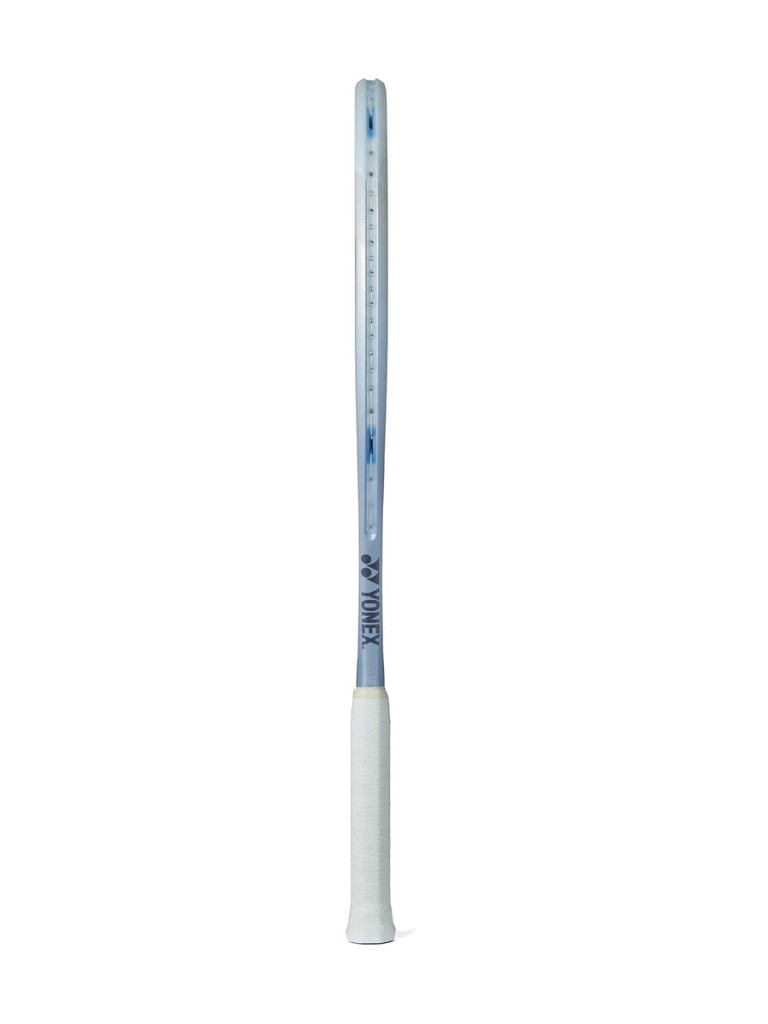
Energy Flow Shaft uses a specially shaped, concave racquet shaft that balances flexibility and stiffness for smooth power transfer and controlled response. In MUSE, it works with SERVO FILTER to refine vibration and impact feel.

Ratings are comparative editorial assessments by Tempo.bg, based on technical specifications and independent tests where available. Actual feel depends on playing style, string setup and individual preferences.
A playing profile describes the characteristics of a specific racquet on a scale from 1 to 5. These are comparative editorial assessments by Tempo.bg, not official manufacturer ratings or laboratory test results.
A rating of 1 indicates a less pronounced characteristic; 5 indicates a strongly pronounced one. A higher score does not mean a better racquet. Power 5/5 with Control 2/5 represents a different playing character from Power 2/5 with Control 5/5.
We consider specifications for the exact model, its construction and available independent expert reviews. Where reliable independent testing is unavailable, the assessment may rely on technical analysis and editorial judgement. We do not claim to have personally play-tested every racquet.
Ratings are relative to the relevant sport and racquet category. Junior racquets should be considered within their age group rather than directly compared with adult racquets.
On-court feel is personal. Strings and tension, technique and playing style can all influence how a racquet performs.
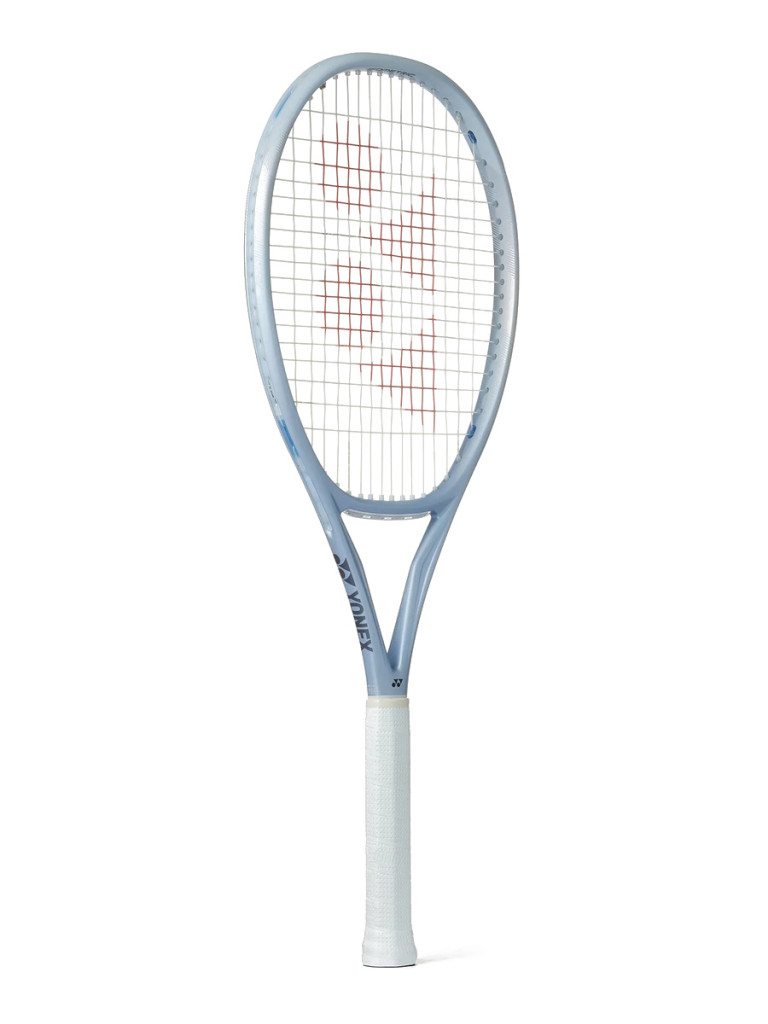
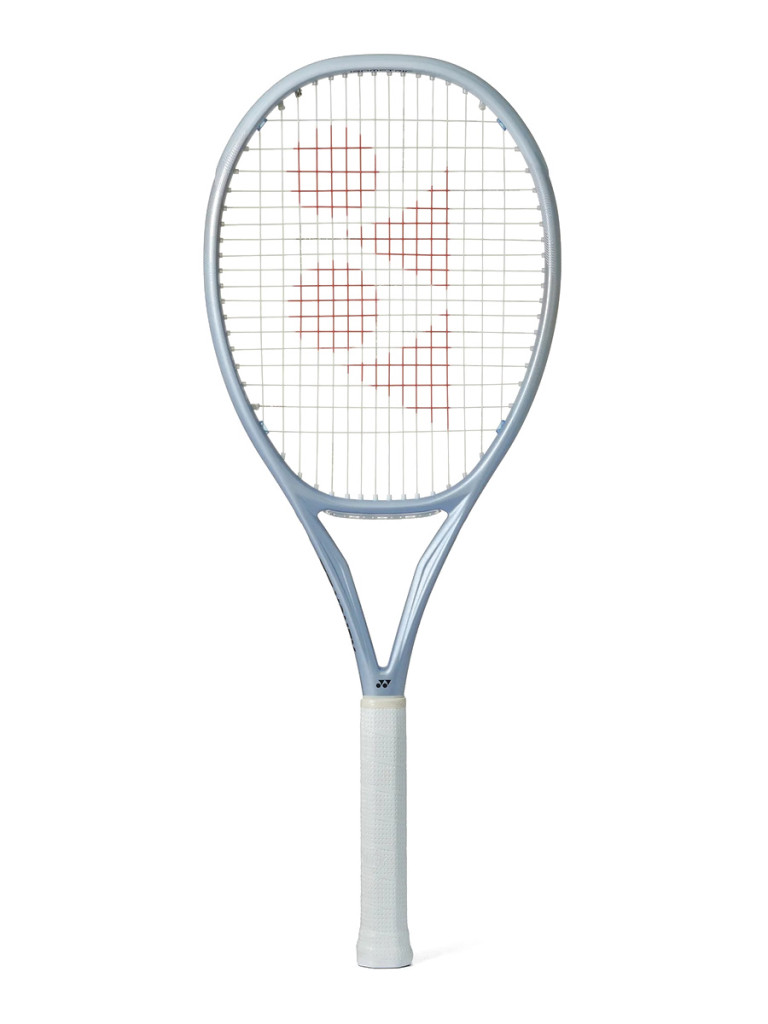
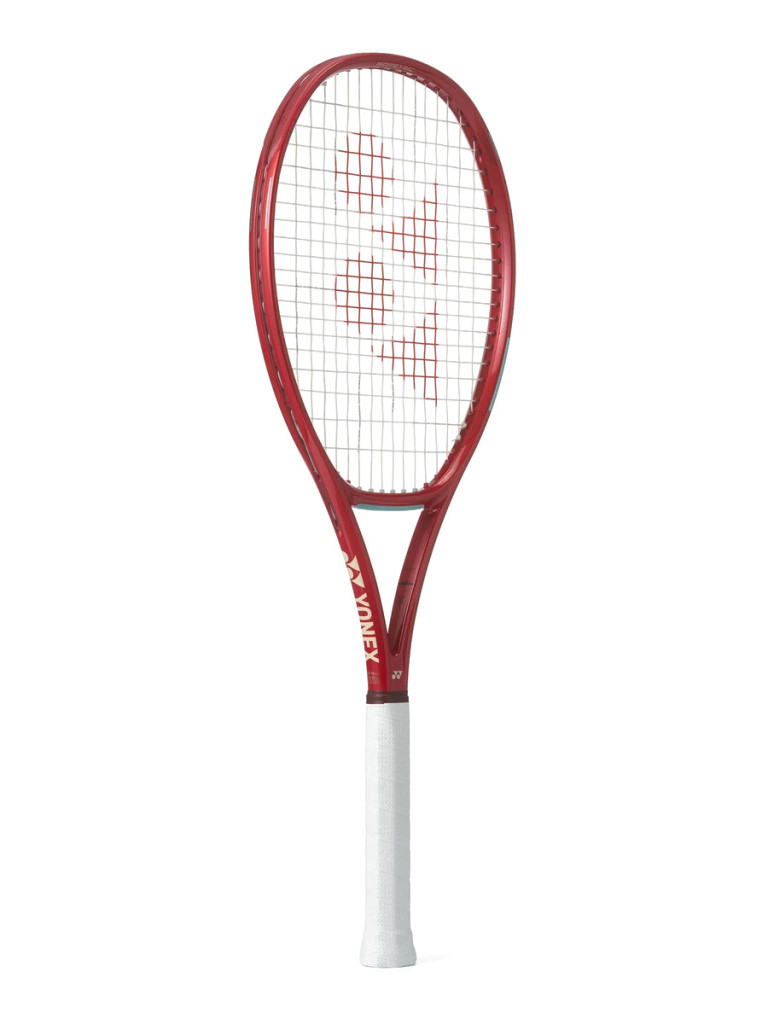
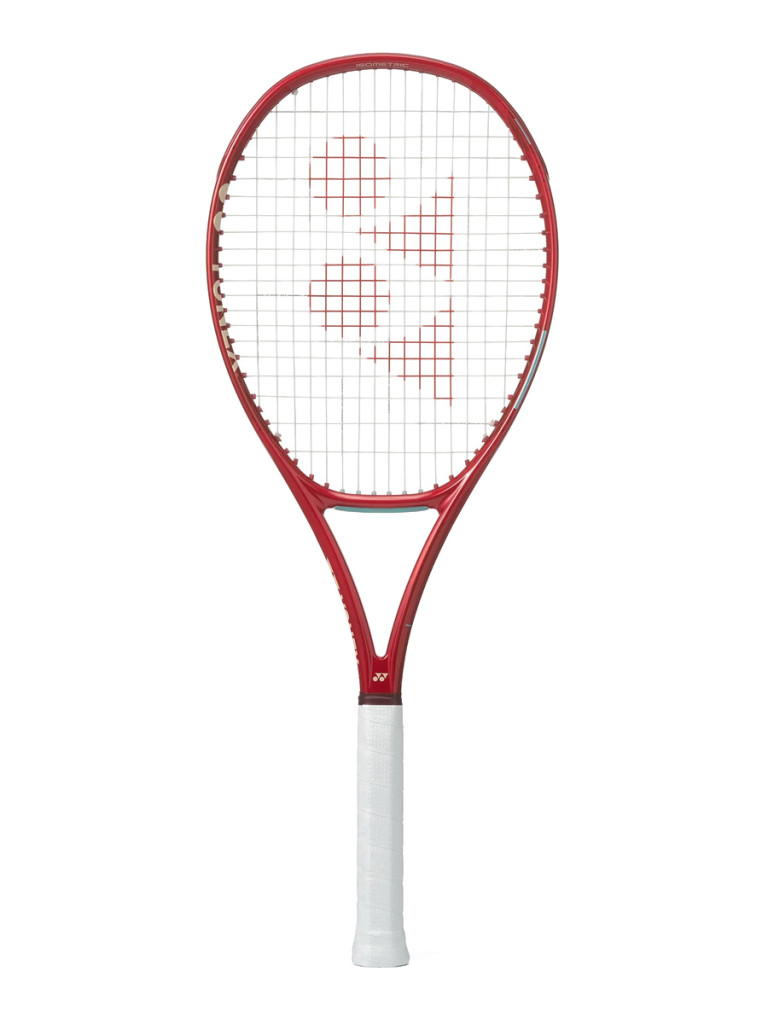
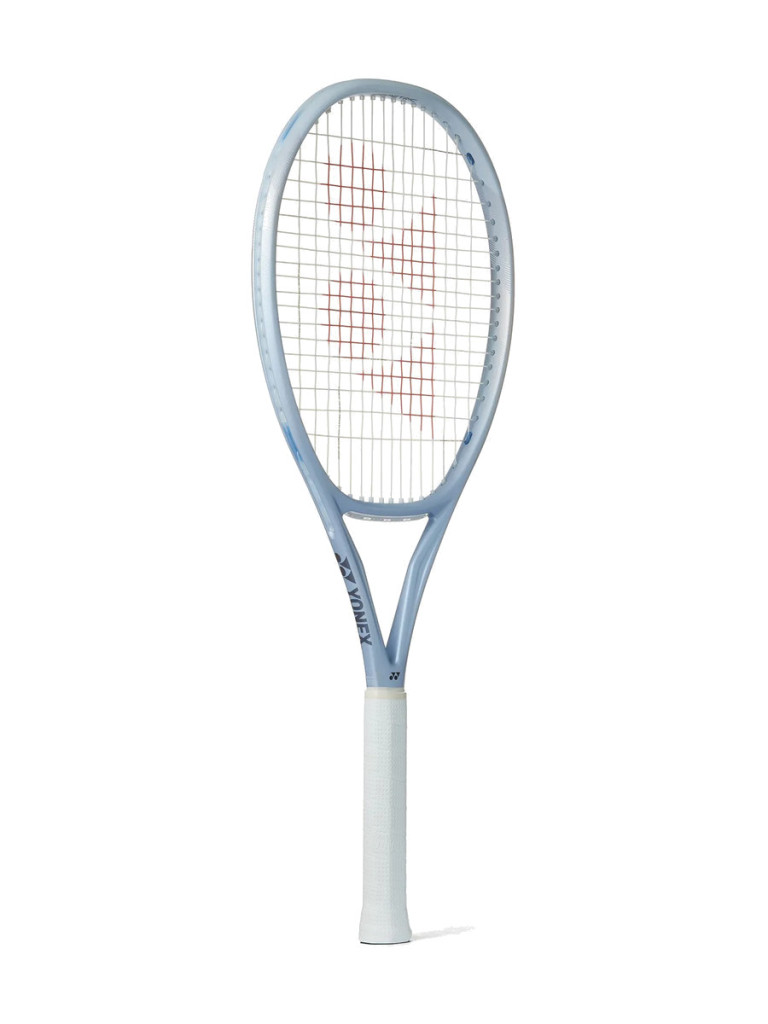
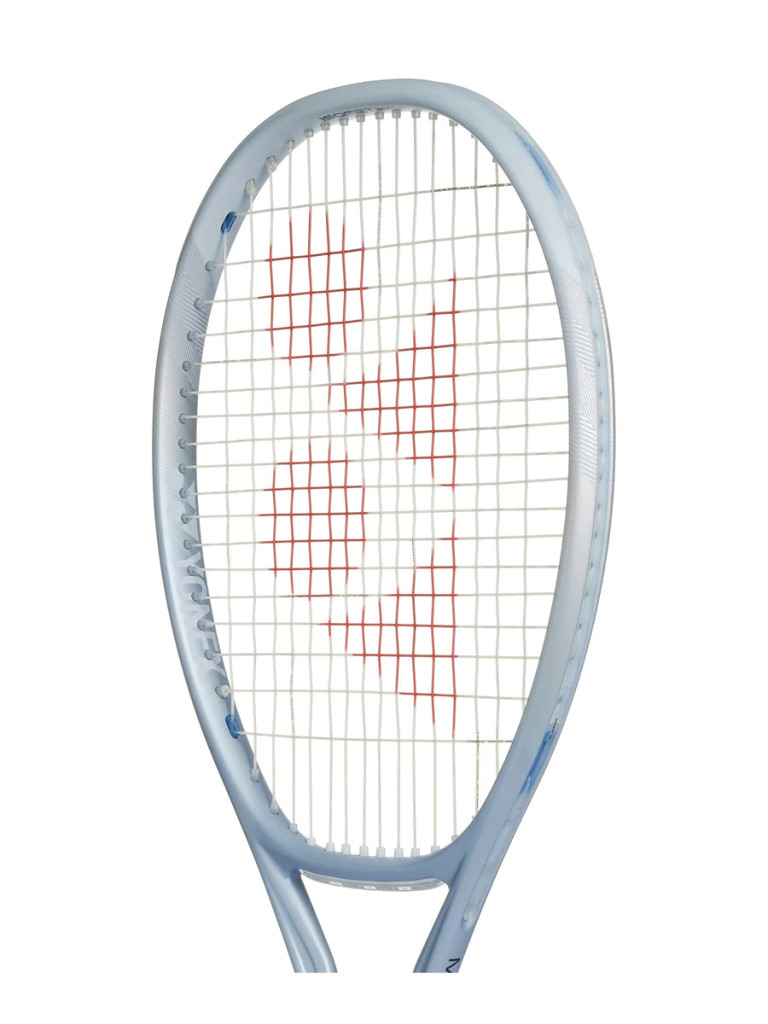
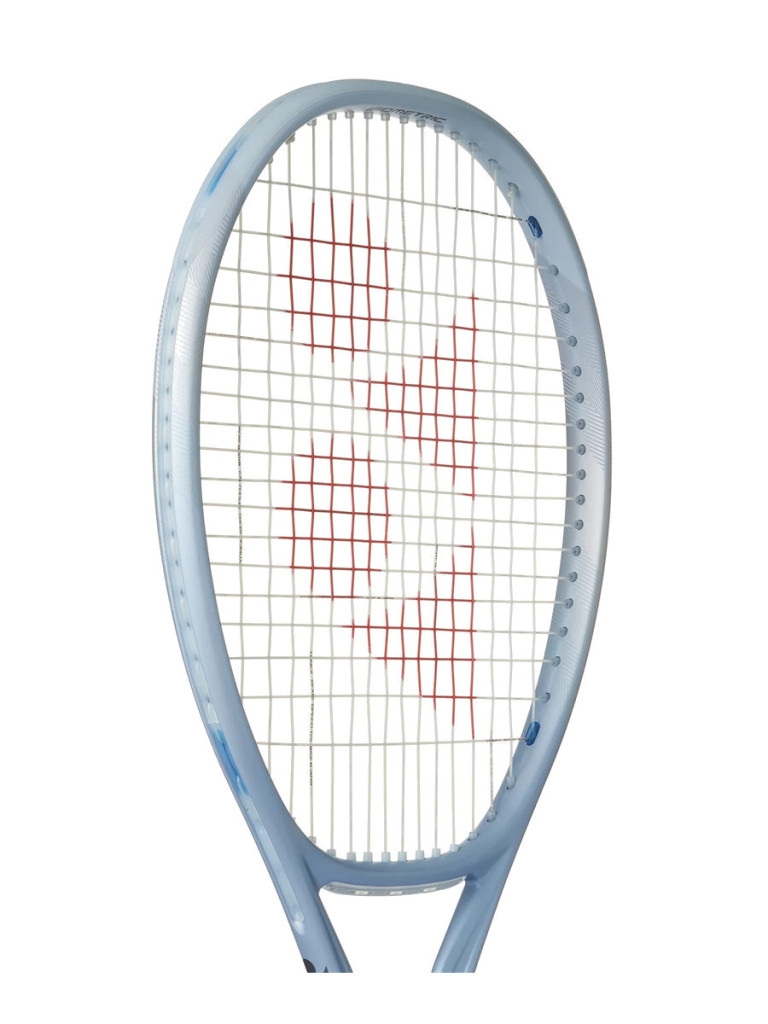
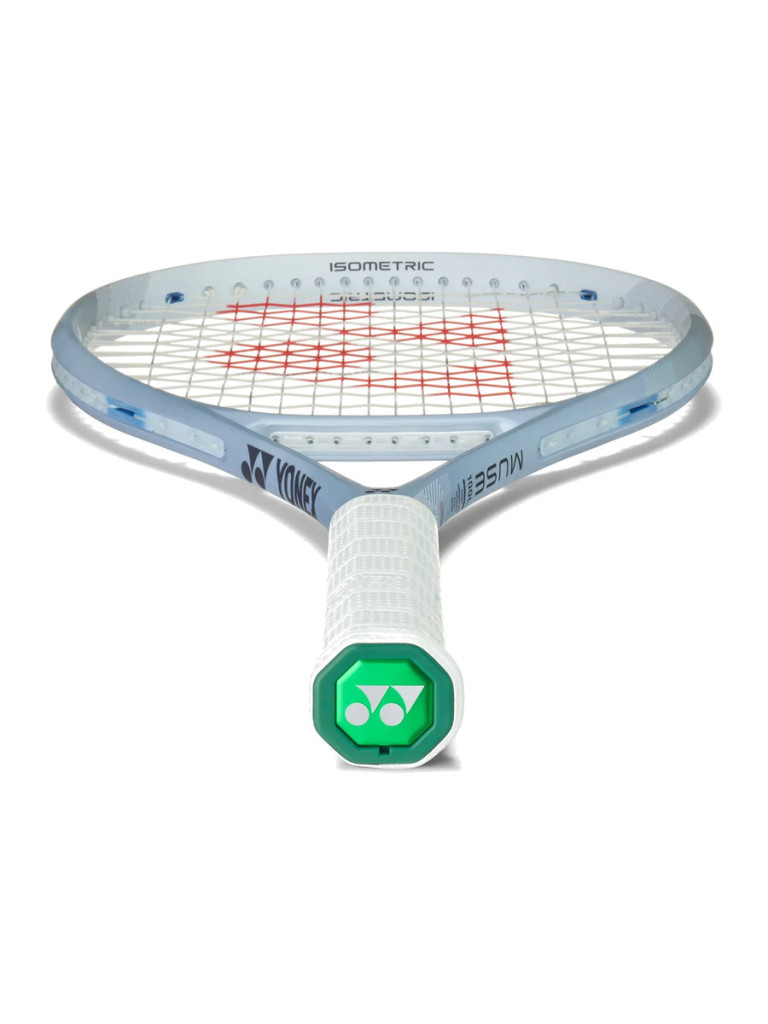
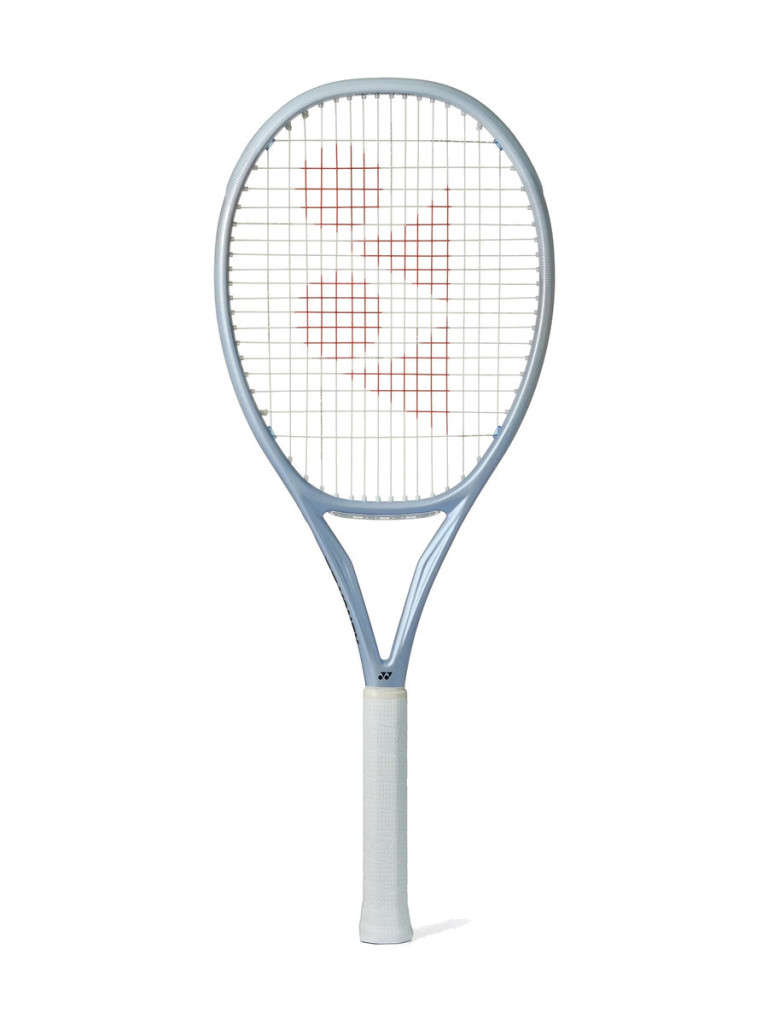
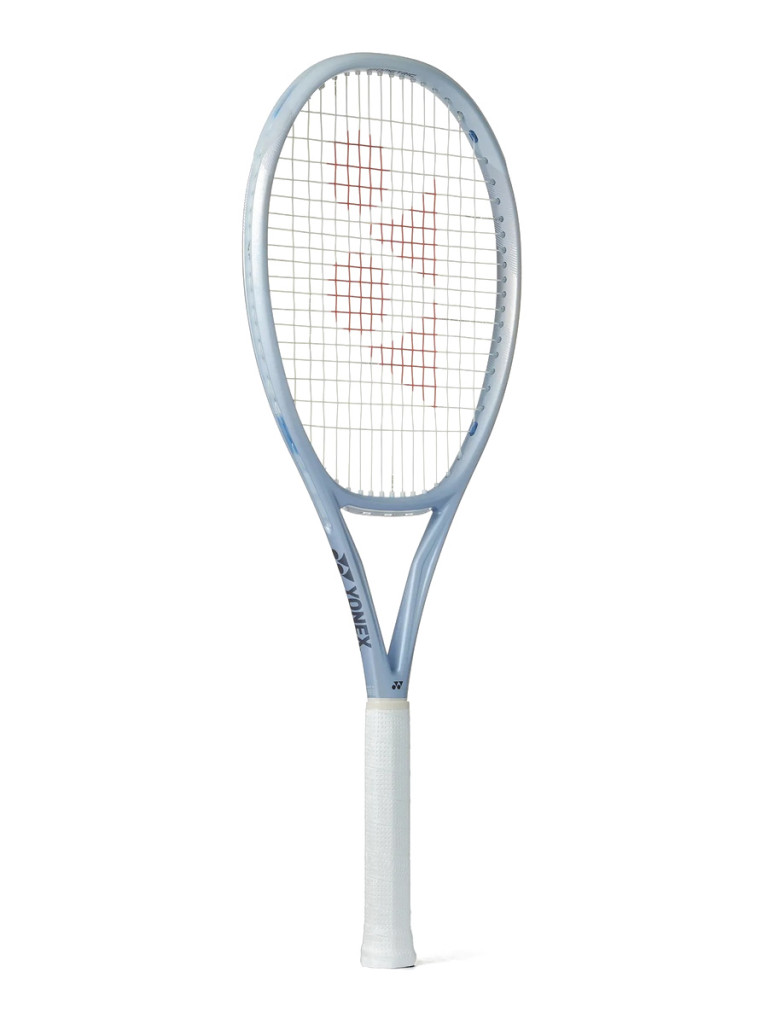
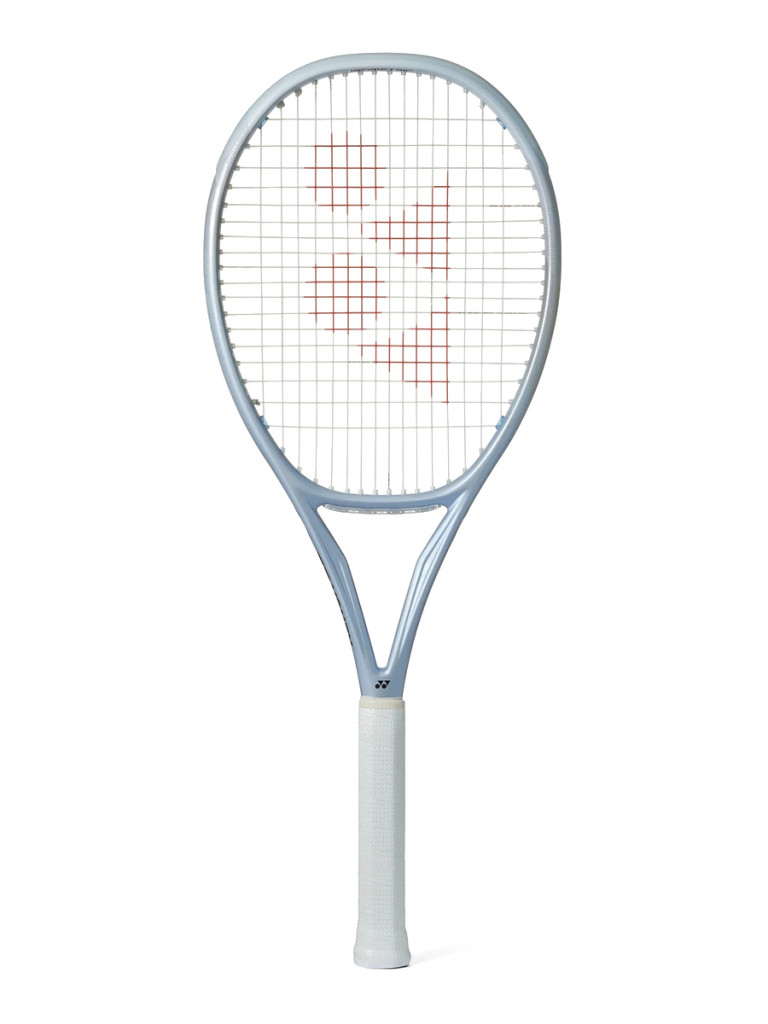
The Yonex MUSE 100L in Pearl Silver offers a lighter route into the easy-flowing character of the MUSE family. At 280 g unstrung, it saves 15 g compared with the MUSE 100 while retaining the same 100-square-inch head. That difference matters to players who want a quicker setup between shots or who simply prefer less overall racquet mass during a long practice session. It is a full-length adult racquet for beginners, improving players and recreational regulars, not a shortened junior model.
Synchro Frame gives the 100L the shared MUSE design philosophy. ISOMETRIC geometry works with Uniform Impact Grommets to make the string-bed response more forgiving beyond the center, while the Energy Flow Shaft is shaped for smoother, controlled energy transfer. SERVO FILTER contributes to the refined sensation at contact. Together, these details support a racquet that feels approachable as technique develops, rather than one that demands a huge swing to come alive.
Although it is lighter, the 100L carries a 325 mm nominal balance, so it does not swing exactly like the 295 g MUSE 100. Its 16x18 pattern encourages players to explore height, spin and placement as their confidence grows. With a soft matte Pearl Silver appearance, it looks as relaxed as it aims to feel. Choose this model if agile preparation and manageable weight matter more to you than the extra mass and solidity of the standard MUSE 100.
MUSE 100L reduces mass relative to MUSE 100 while retaining a 100 sq in head and 16x18 pattern. That can help quicker reactions and an easier follow-through, although lower mass does not promise equal resistance to heavy pace. Reports about feel and control are limited and depend on strings and technique. Choosing between 100L and 100 is ultimately about how much racquet a player can accelerate confidently throughout a match.
More from this category
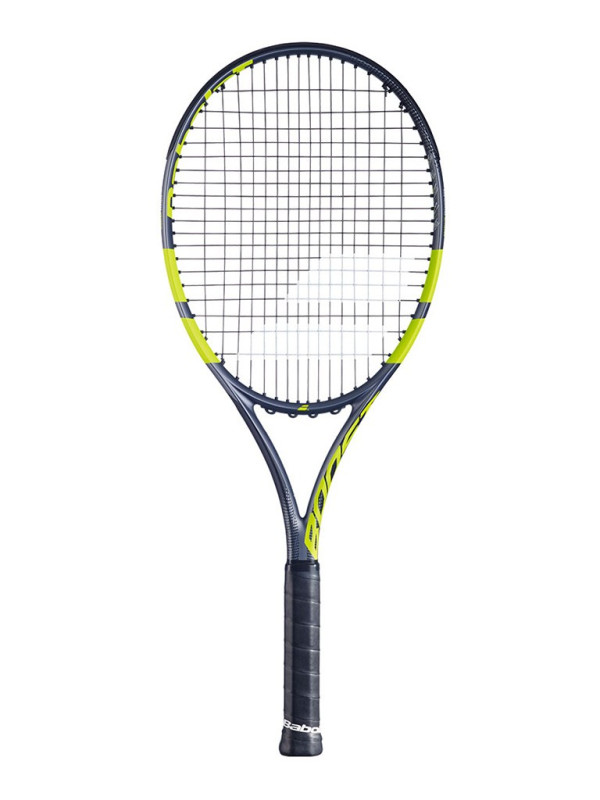
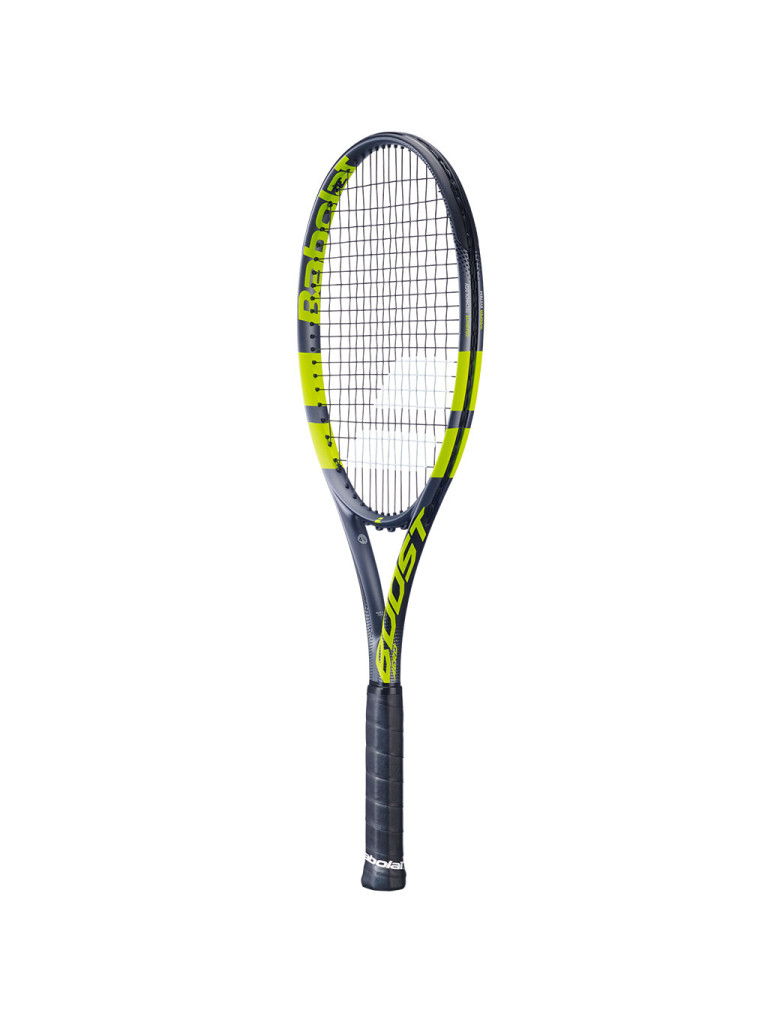
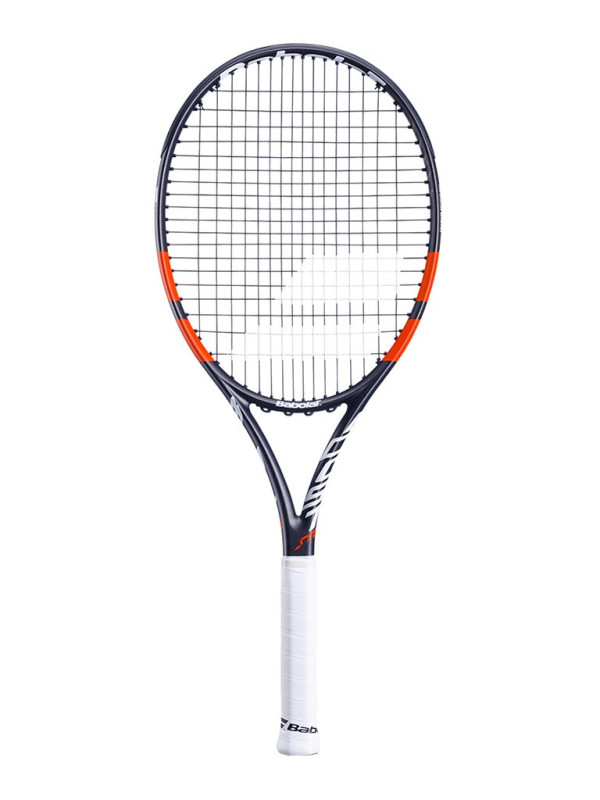
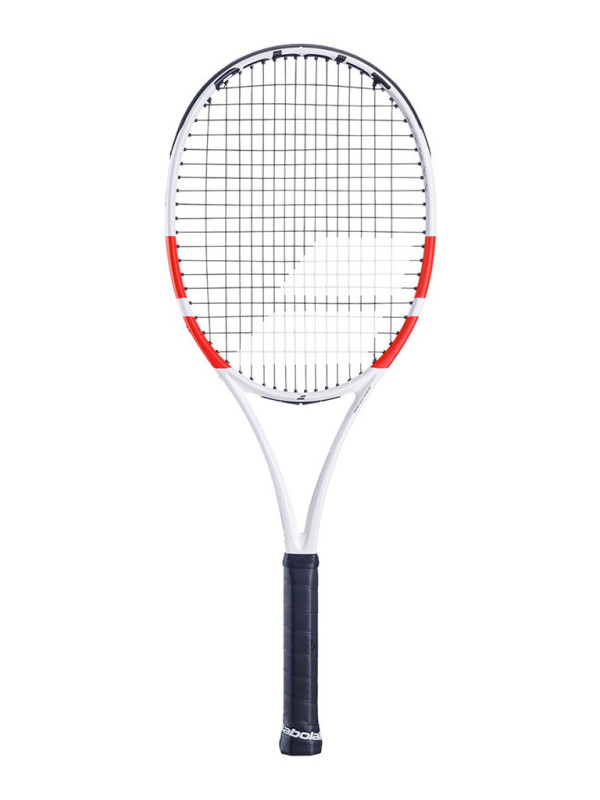
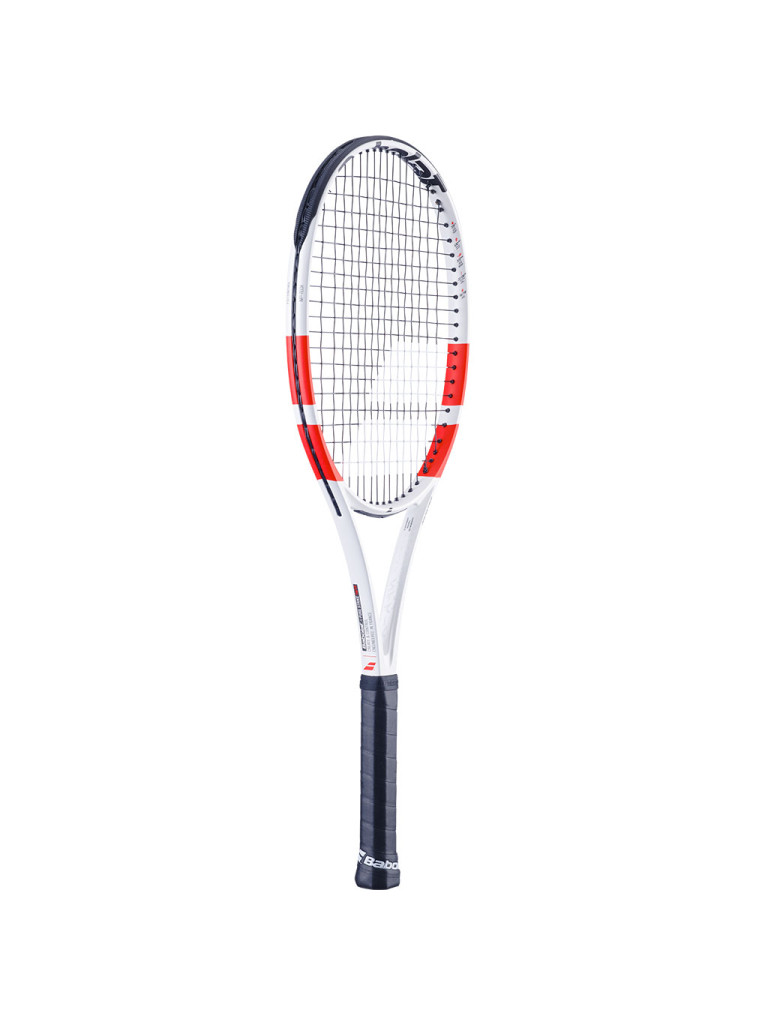
Babolat Pure Strike 16/19 Gen4 Strung Tennis Racquet
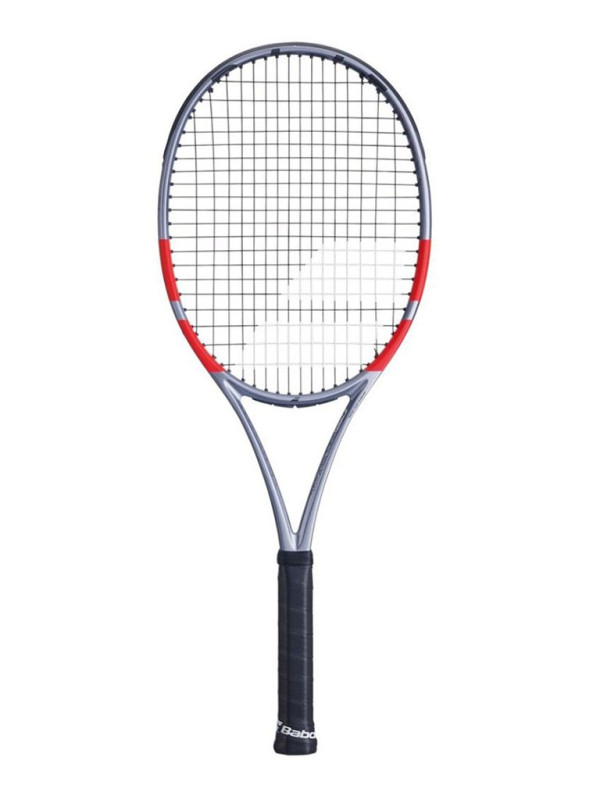
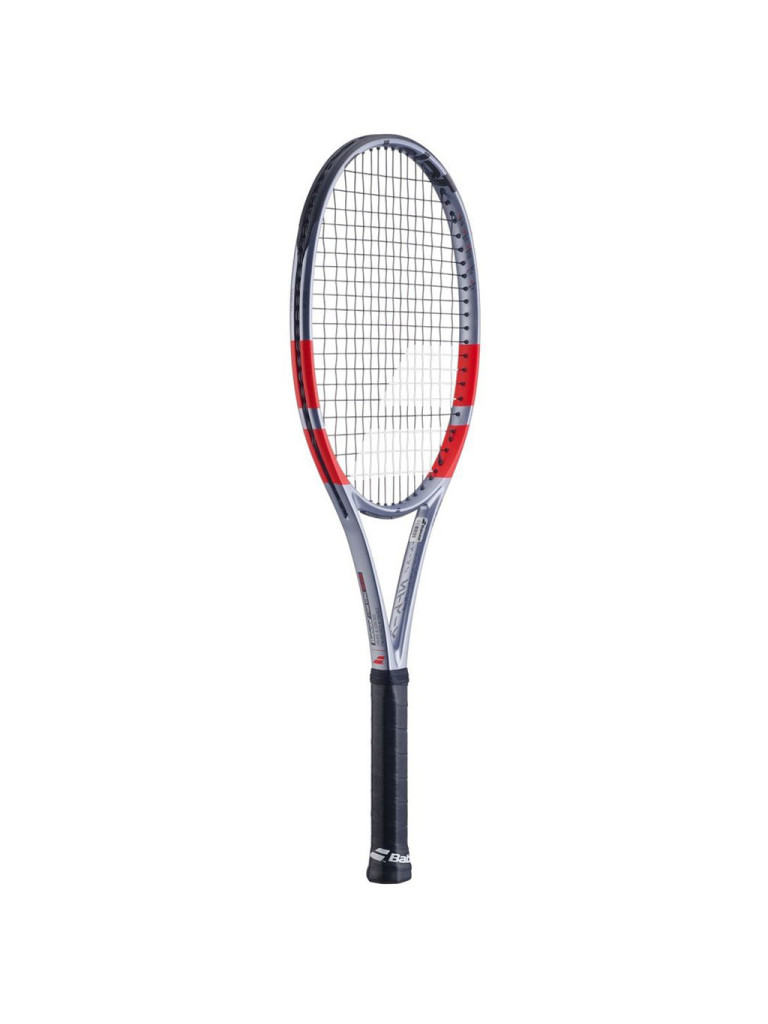
Babolat Pure Strike 98 16/19 Gen4 Grey Fluo Strike Tennis Racquet
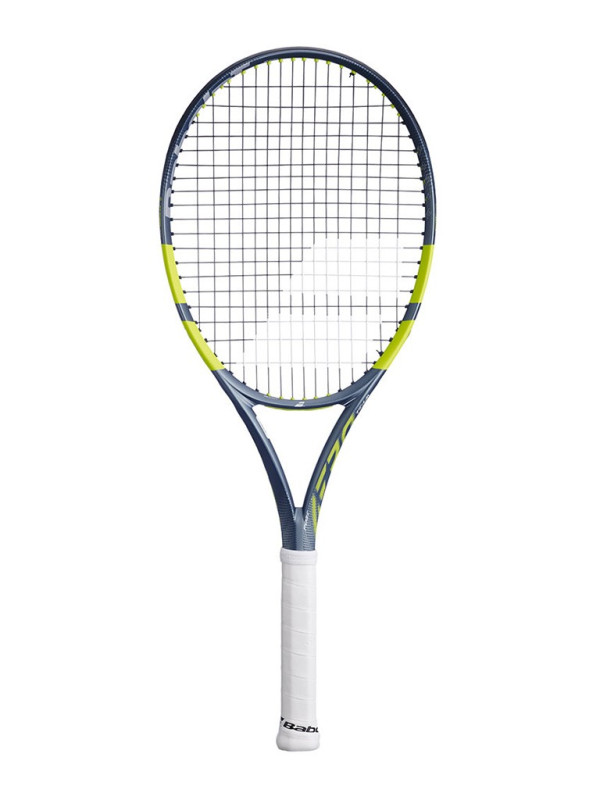
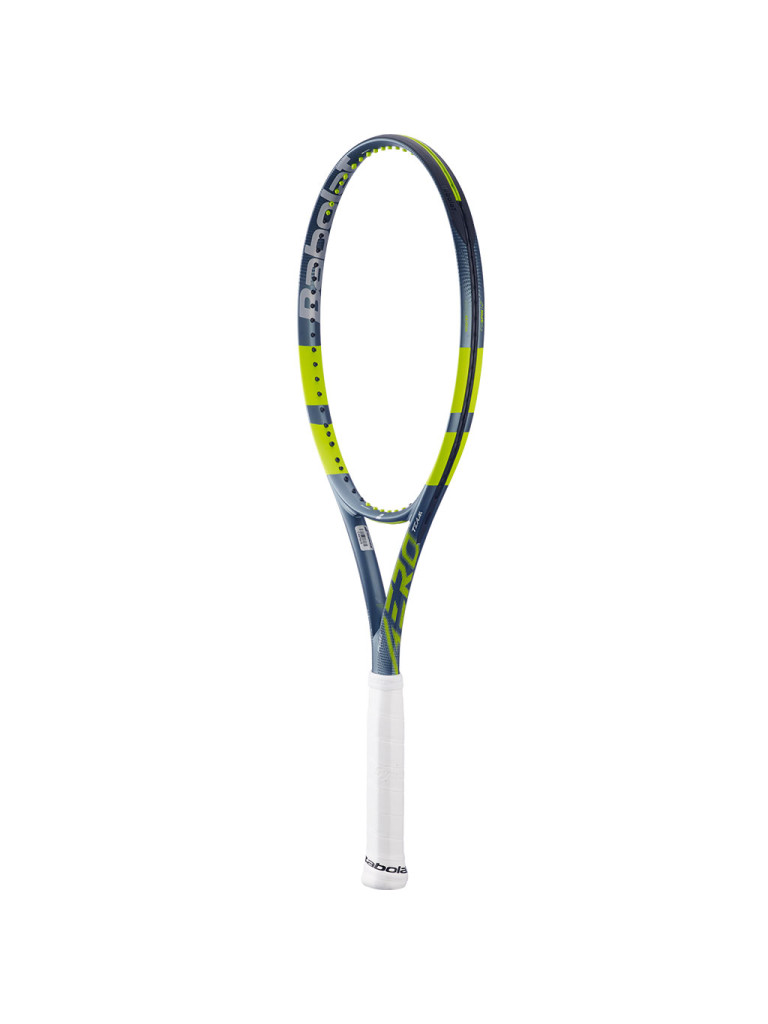
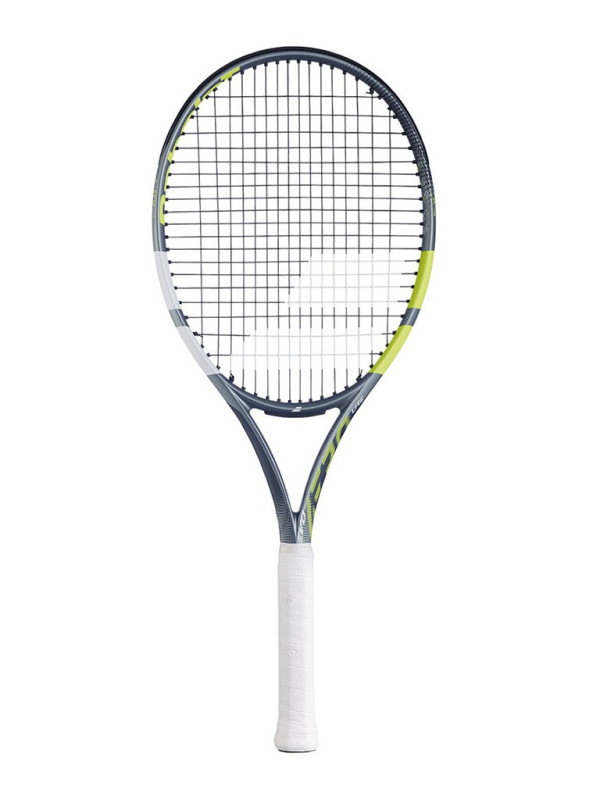
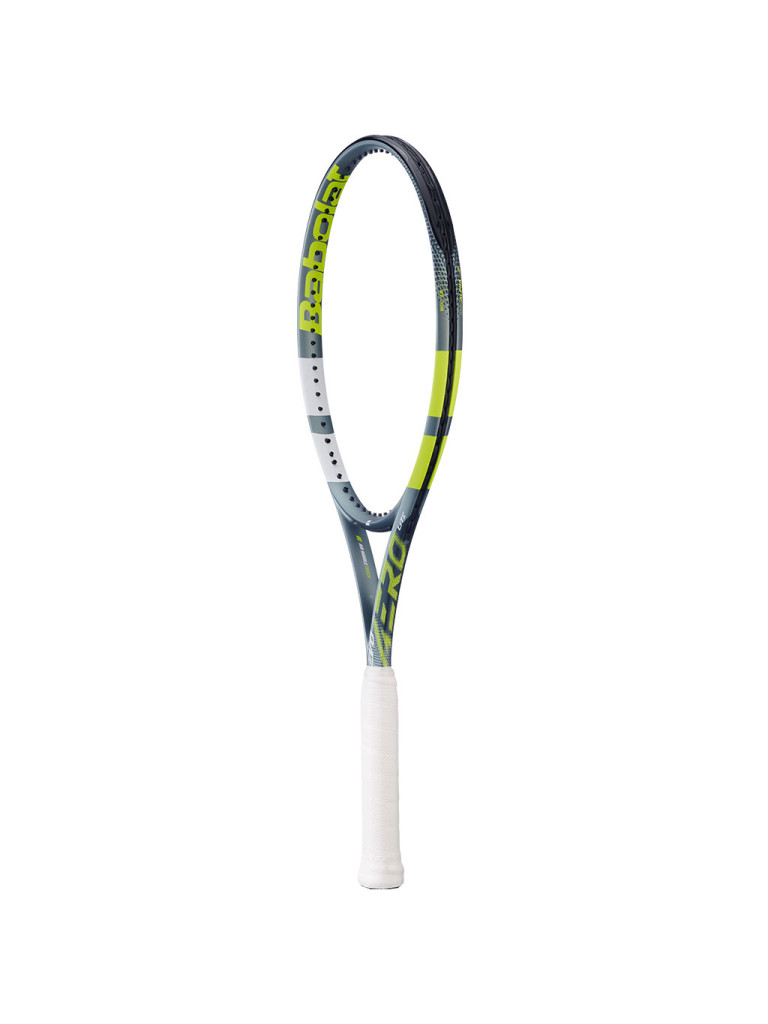
Babolat Evo Aero Lite Gen2 2026 Tennis Racquet
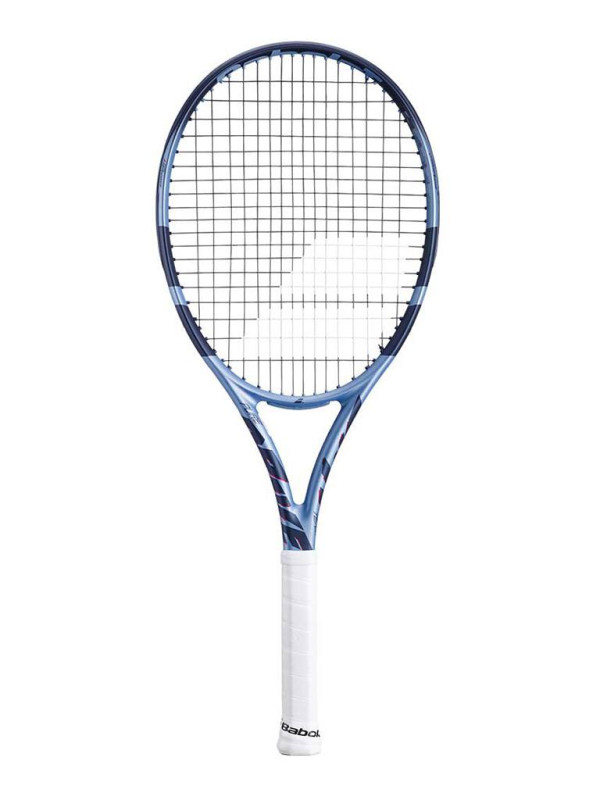
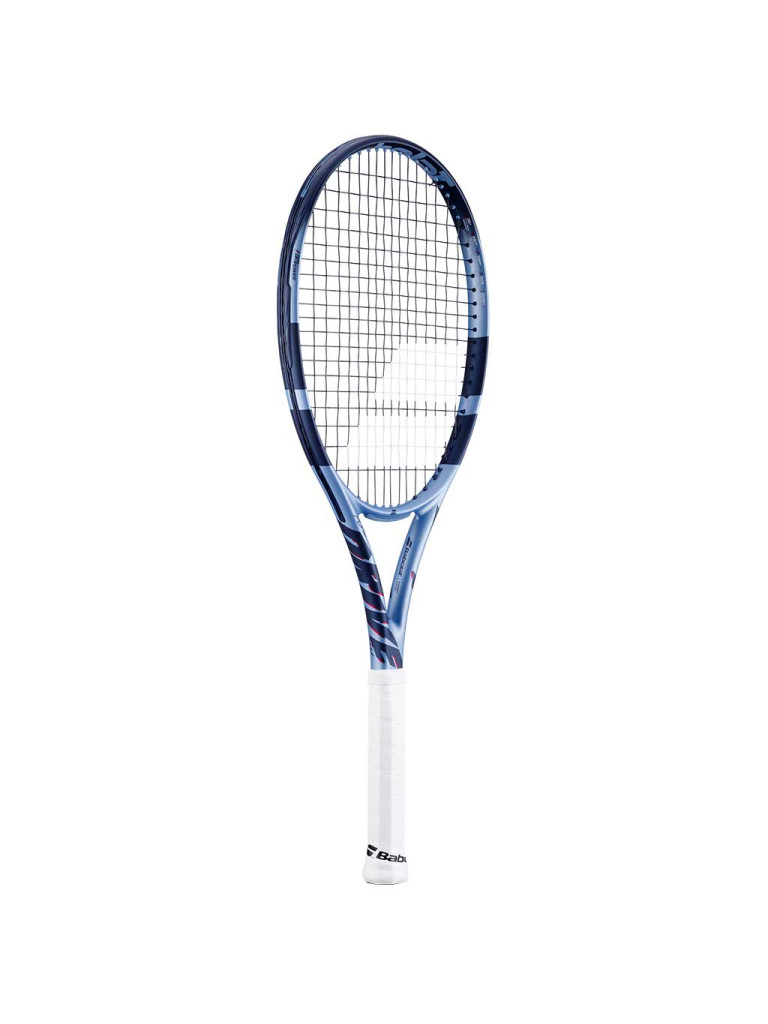
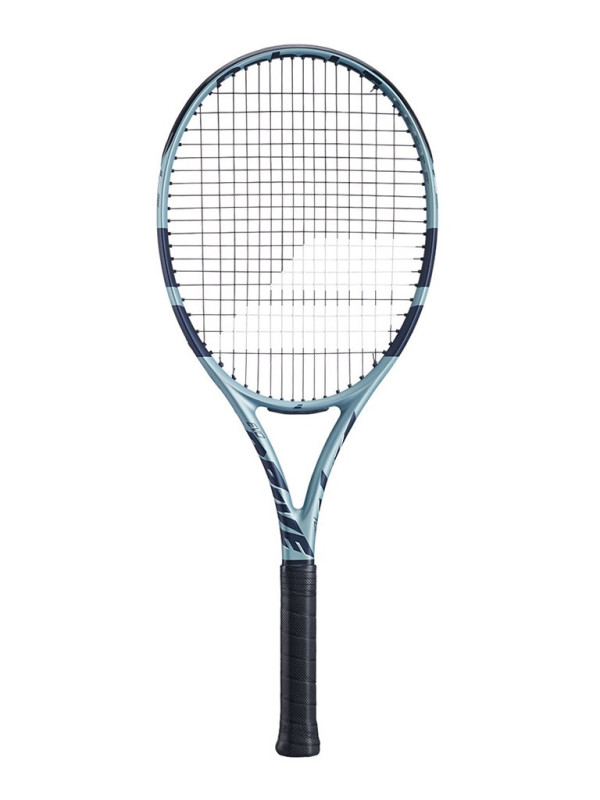
Babolat Pure Drive 30th Anniversary Tennis Racquet
Recently viewed
Yonex PERCEPT 100D Midnight Navy Tennis Racquet