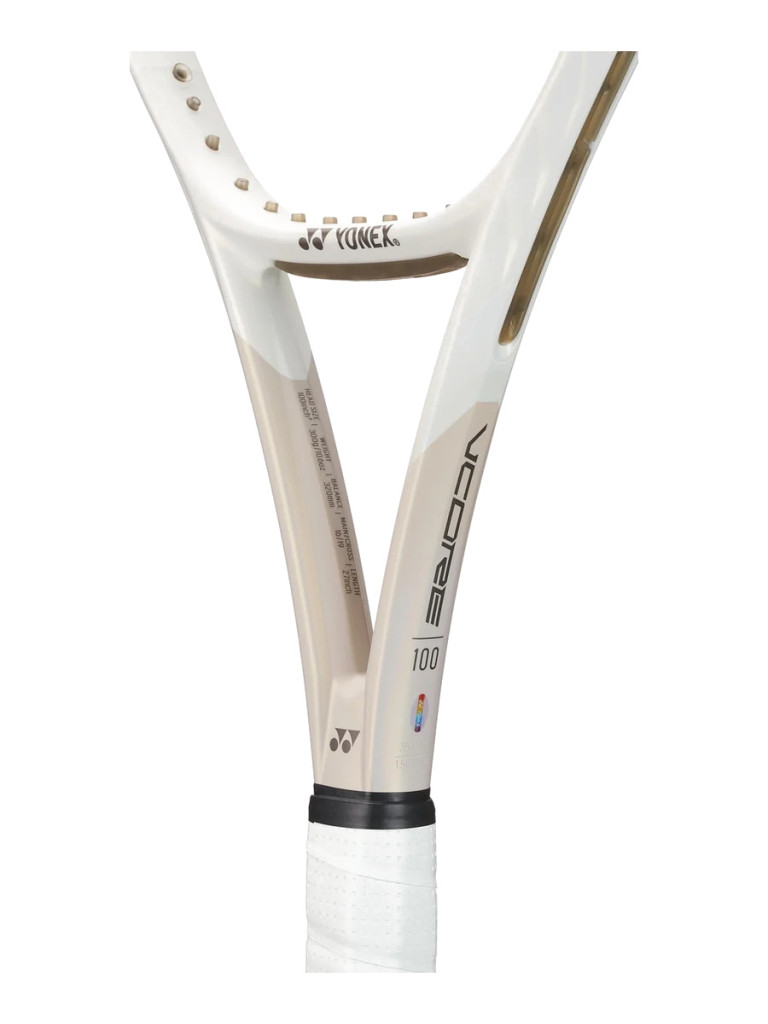
2G-Namd Flex Force
2G-Namd Flex Force is a highly elastic graphite material that allows the frame to flex and snap back quickly during impact. It is designed to support ball pocketing and spin potential while retaining a responsive feel.

Ratings are comparative editorial assessments by Tempo.bg, based on technical specifications and independent tests where available. Actual feel depends on playing style, string setup and individual preferences.
A playing profile describes the characteristics of a specific racquet on a scale from 1 to 5. These are comparative editorial assessments by Tempo.bg, not official manufacturer ratings or laboratory test results.
A rating of 1 indicates a less pronounced characteristic; 5 indicates a strongly pronounced one. A higher score does not mean a better racquet. Power 5/5 with Control 2/5 represents a different playing character from Power 2/5 with Control 5/5.
We consider specifications for the exact model, its construction and available independent expert reviews. Where reliable independent testing is unavailable, the assessment may rely on technical analysis and editorial judgement. We do not claim to have personally play-tested every racquet.
Ratings are relative to the relevant sport and racquet category. Junior racquets should be considered within their age group rather than directly compared with adult racquets.
On-court feel is personal. Strings and tension, technique and playing style can all influence how a racquet performs.
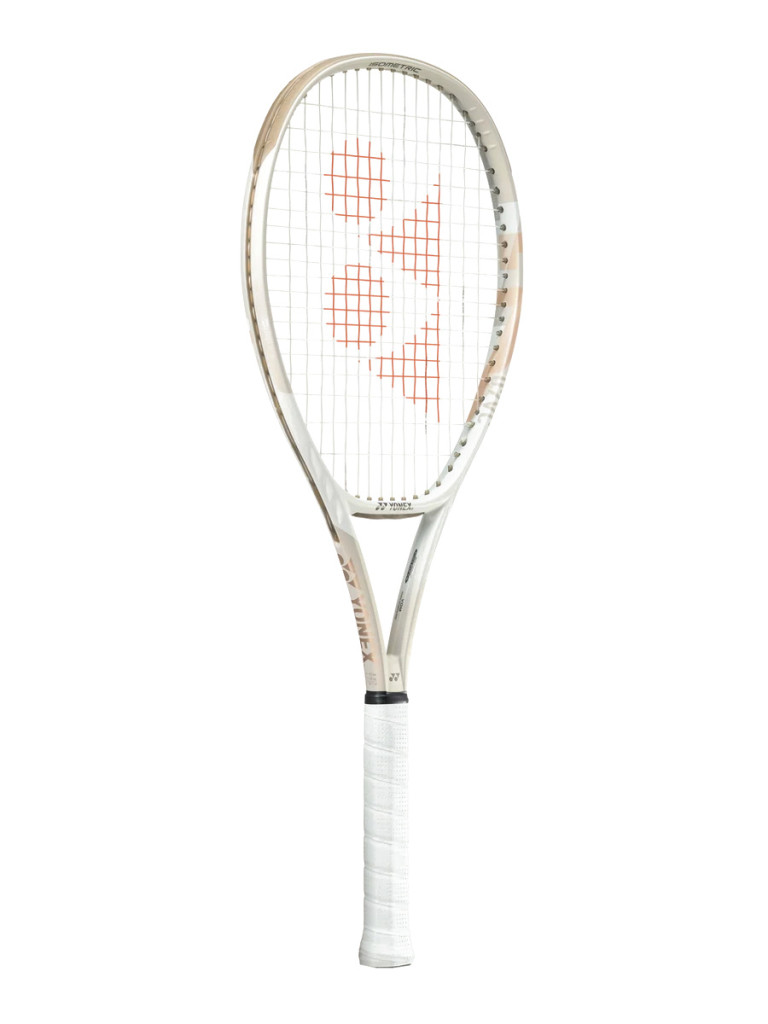
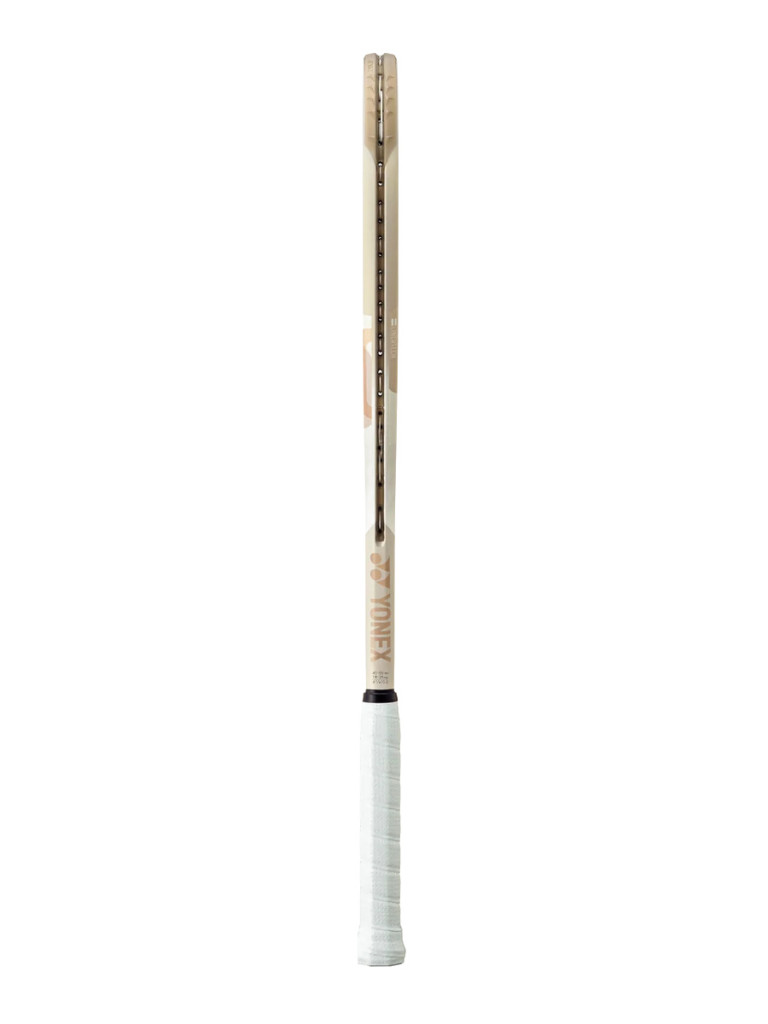
The Yonex VCORE 100 in Sand Beige is for players who enjoy proactive topspin tennis but prefer understated styling on court. Introduced as a colour update to the seventh-generation VCORE in 2024, Sand Beige does not represent a new frame design. Its 100-square-inch head and 300 g nominal weight preserve the versatile balance that suits players who mix patient rallies, initiative-taking attacks and occasional moves towards the net.
The seventh-generation VCORE was designed around a higher ball trajectory and more responsive string snapback. A wider upper hoop, ISOMETRIC geometry and lower-friction grommets contribute to that approach. The 16/19 pattern offers space to vary net clearance and shape the ball as the point develops.
2G-Namd Flex Force and VDM form part of the construction, addressing frame response and impact feel. This is not the 2026 Ruby Red model, so later-generation technology claims should not be carried across. Choose Sand Beige for the established VCORE 100 playing identity with a quieter, more refined visual expression.
The 2023 VCORE 100 remains an appealing choice for higher launch, easy topspin and forgiving baseline contact. Independent playtests note accessible power and useful net play, but some testers find flatter serves and returns harder to keep short. It is a distinct frame from the 2026 Ruby Red version even where head size and weight match. It rewards a confident spin swing; flatter hitters may find its response more lively than desired.
More from this category
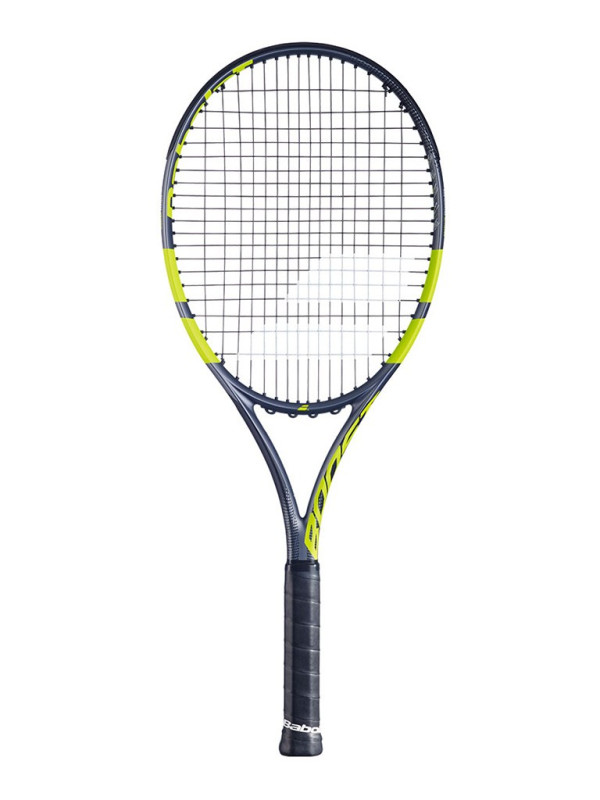
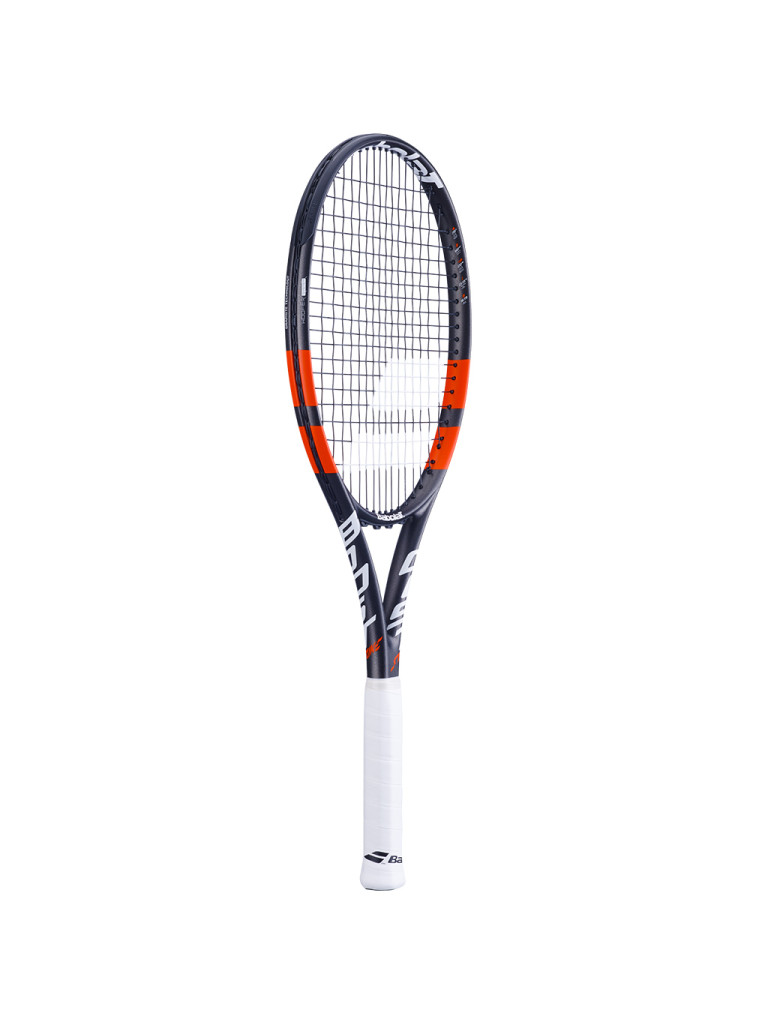
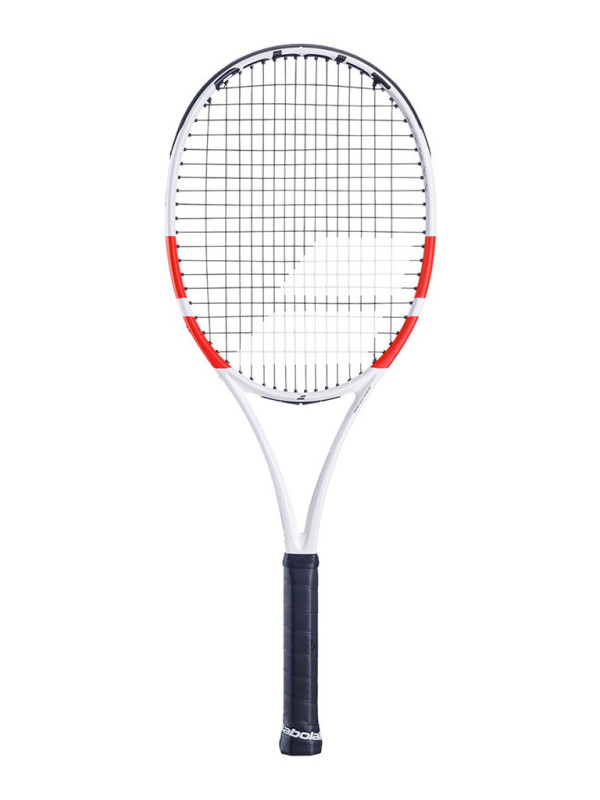
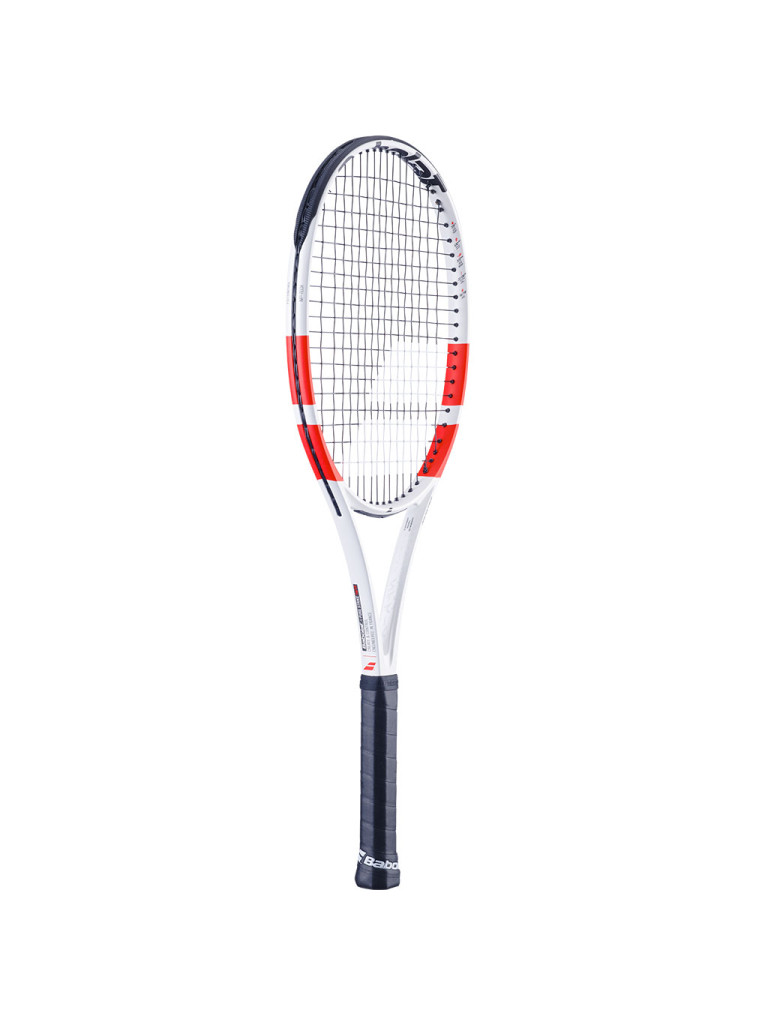
Babolat Pure Strike 16/19 Gen4 Strung Tennis Racquet
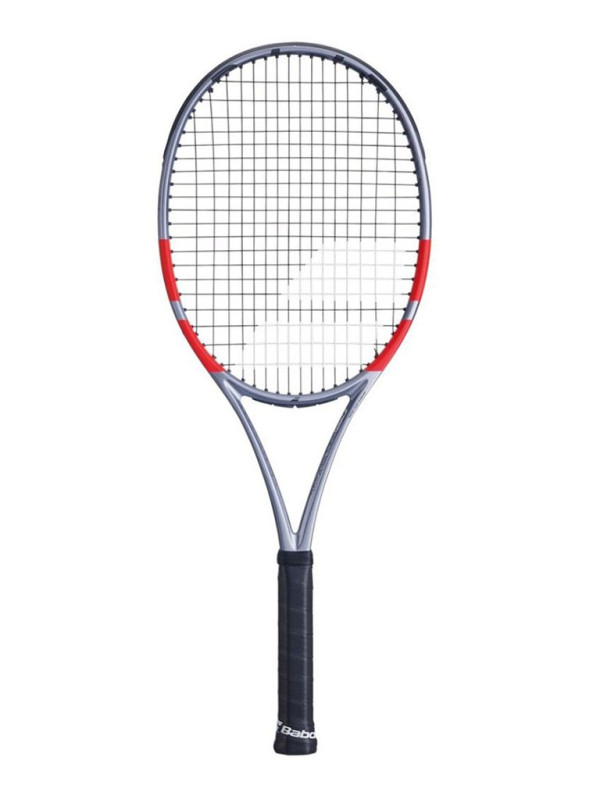
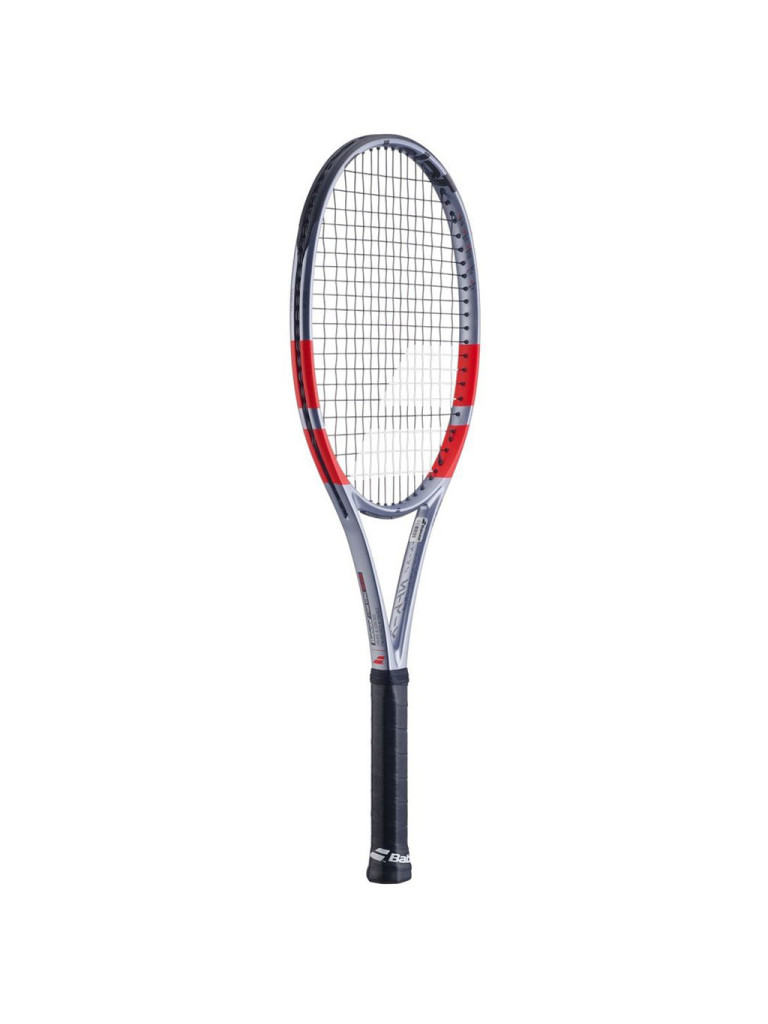
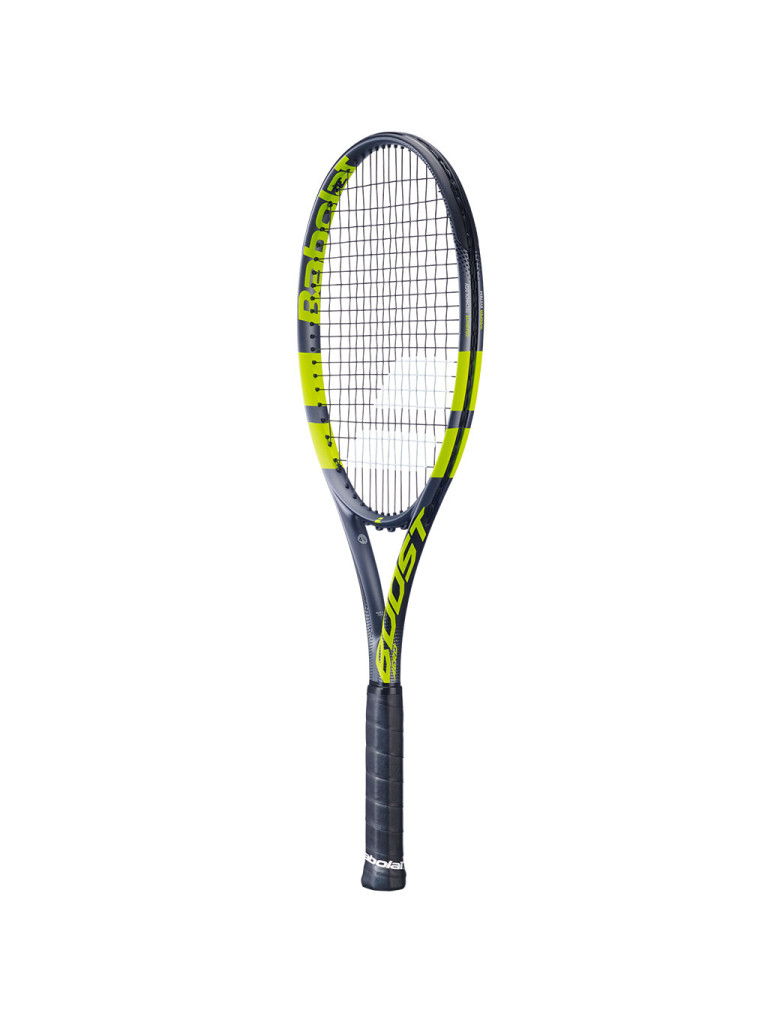
Babolat Pure Strike 98 16/19 Gen4 Grey Fluo Strike Tennis Racquet
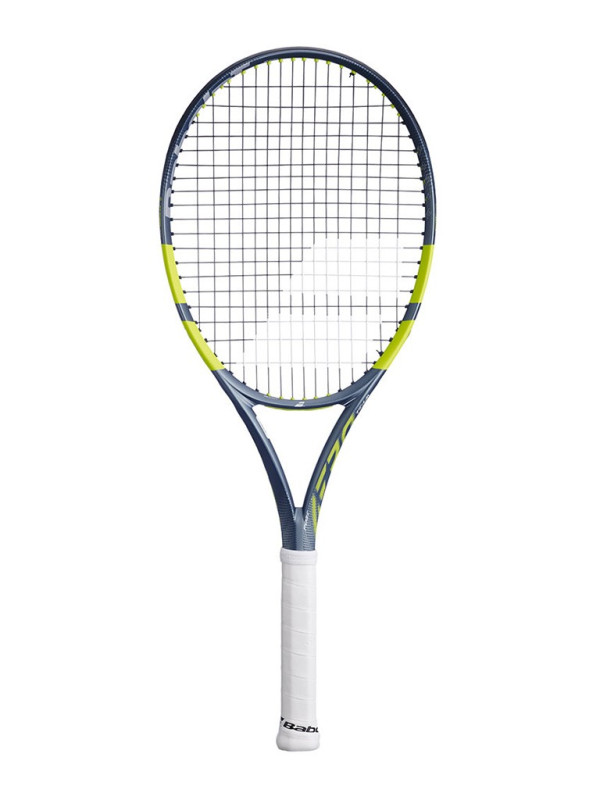
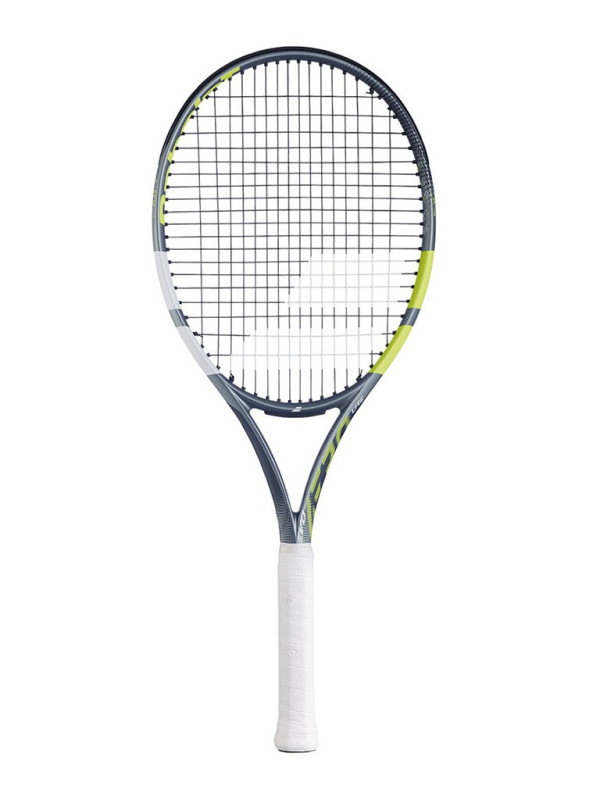
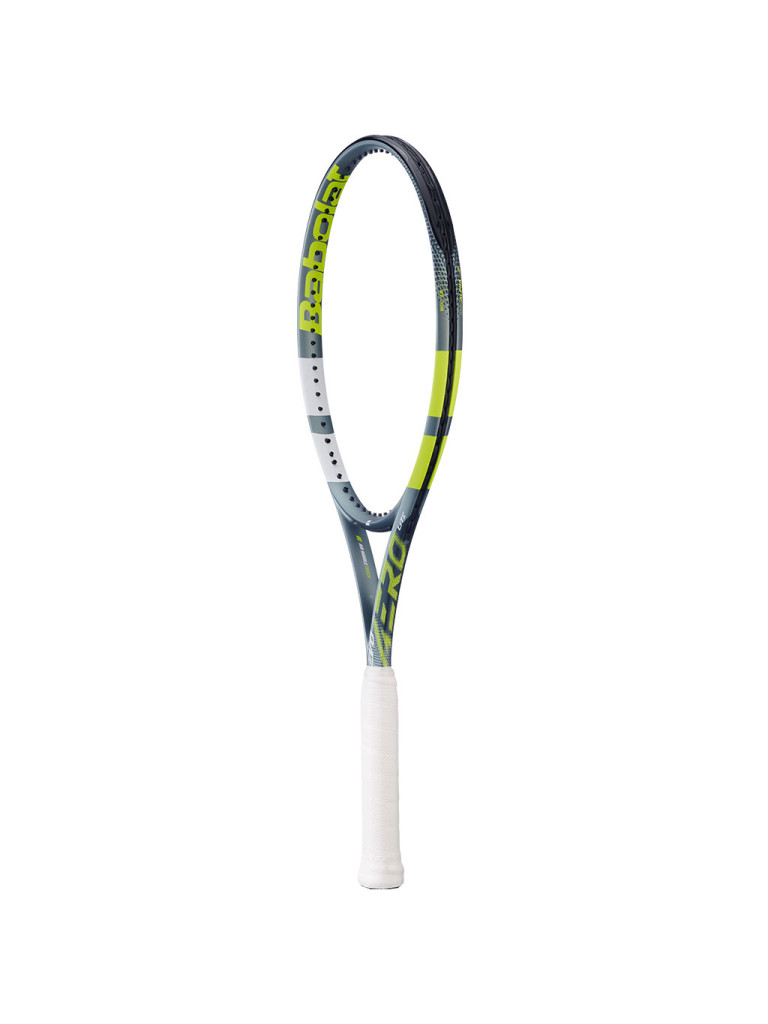
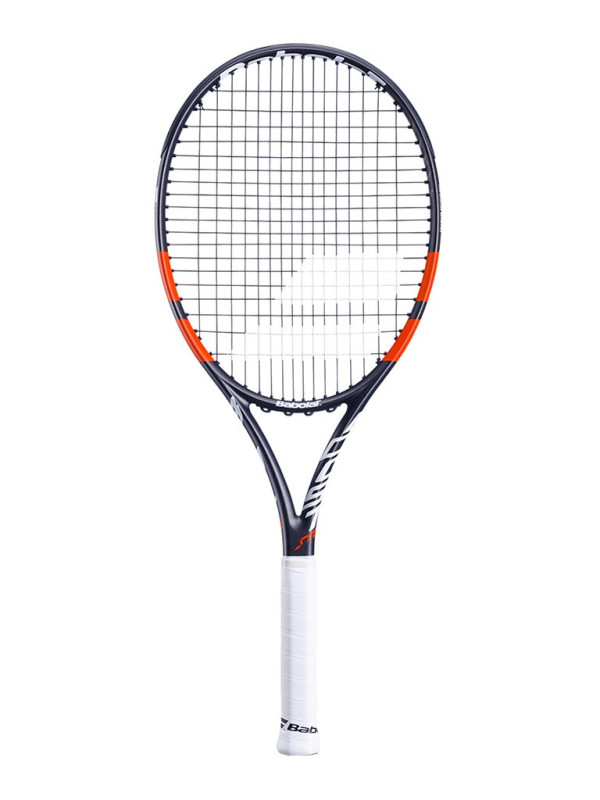
Babolat Evo Aero Lite Gen2 2026 Tennis Racquet
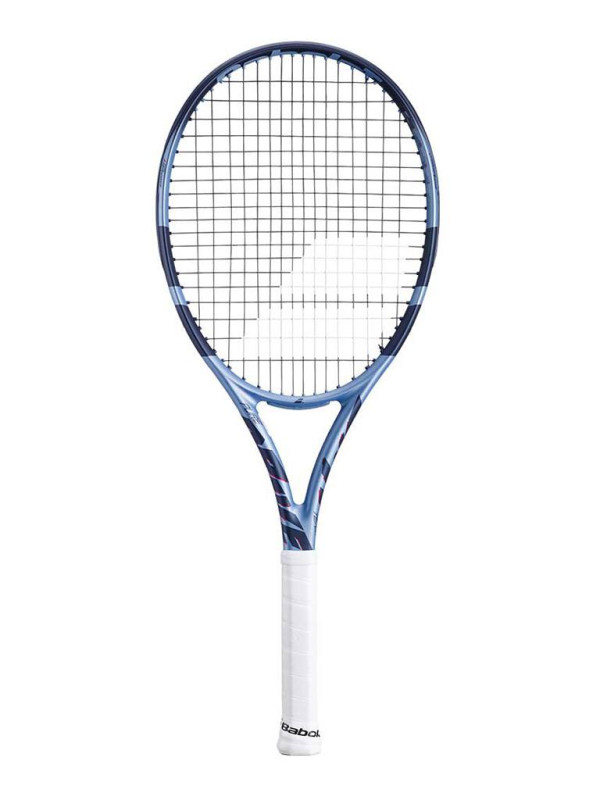
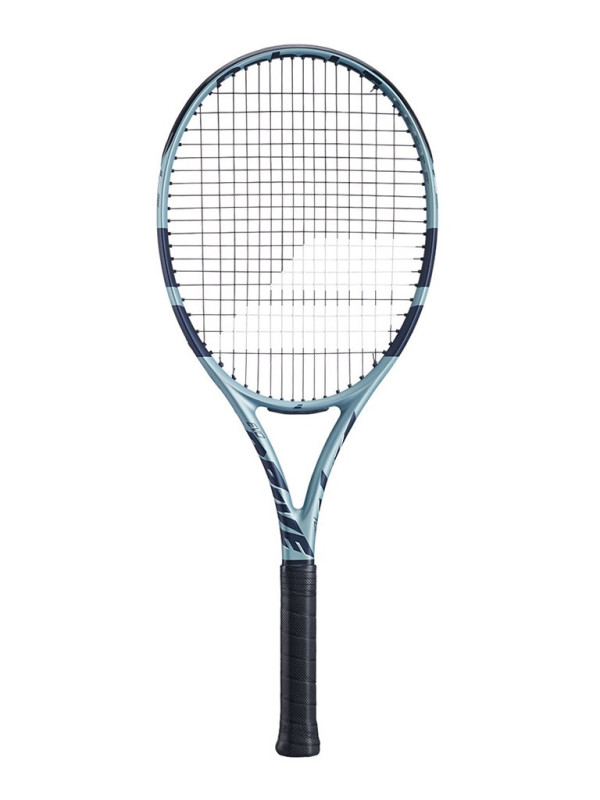
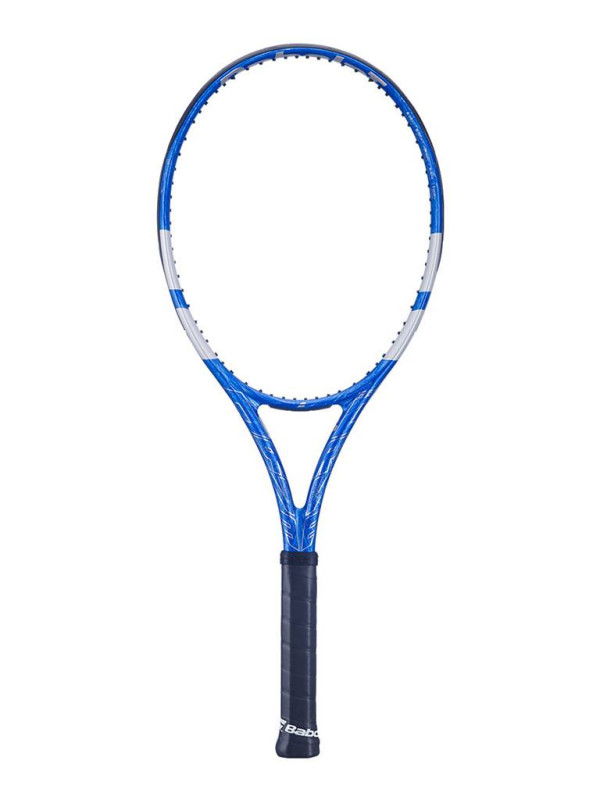
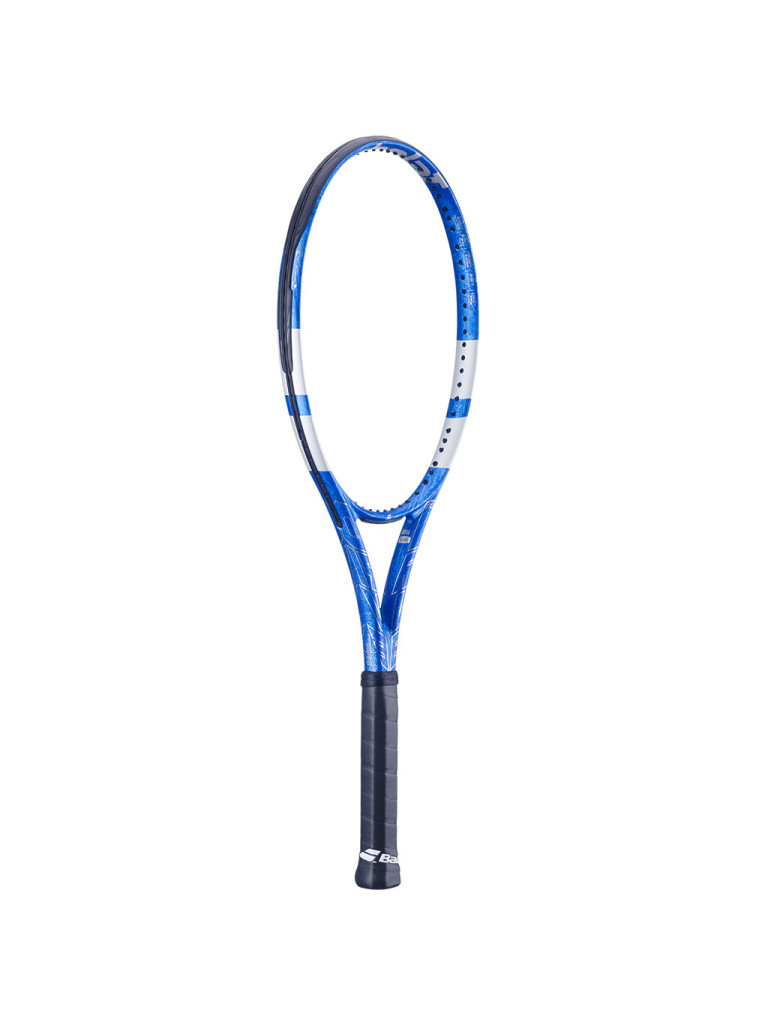
Babolat Pure Drive 30th Anniversary Tennis Racquet