Energy Flow Shaft
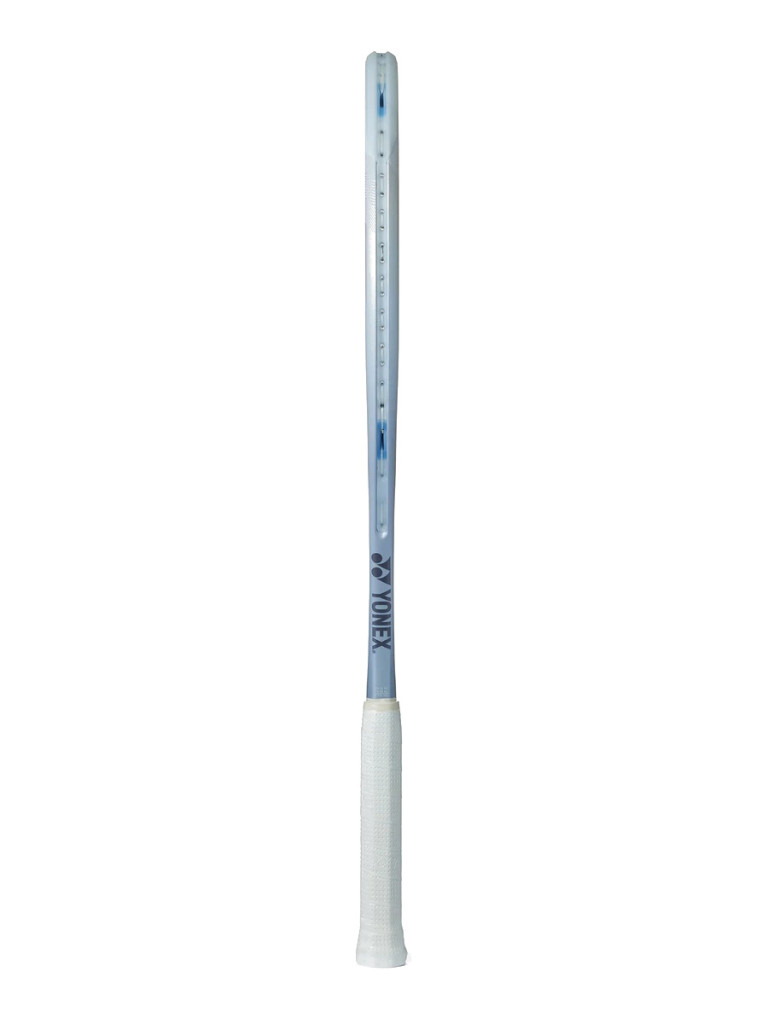
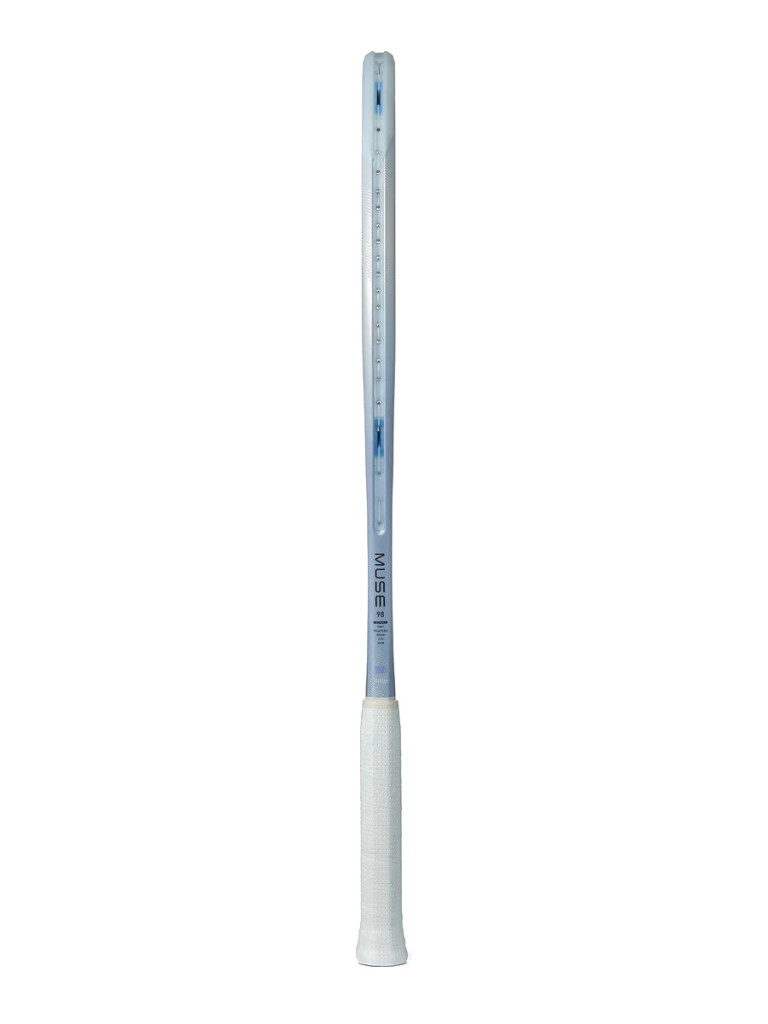
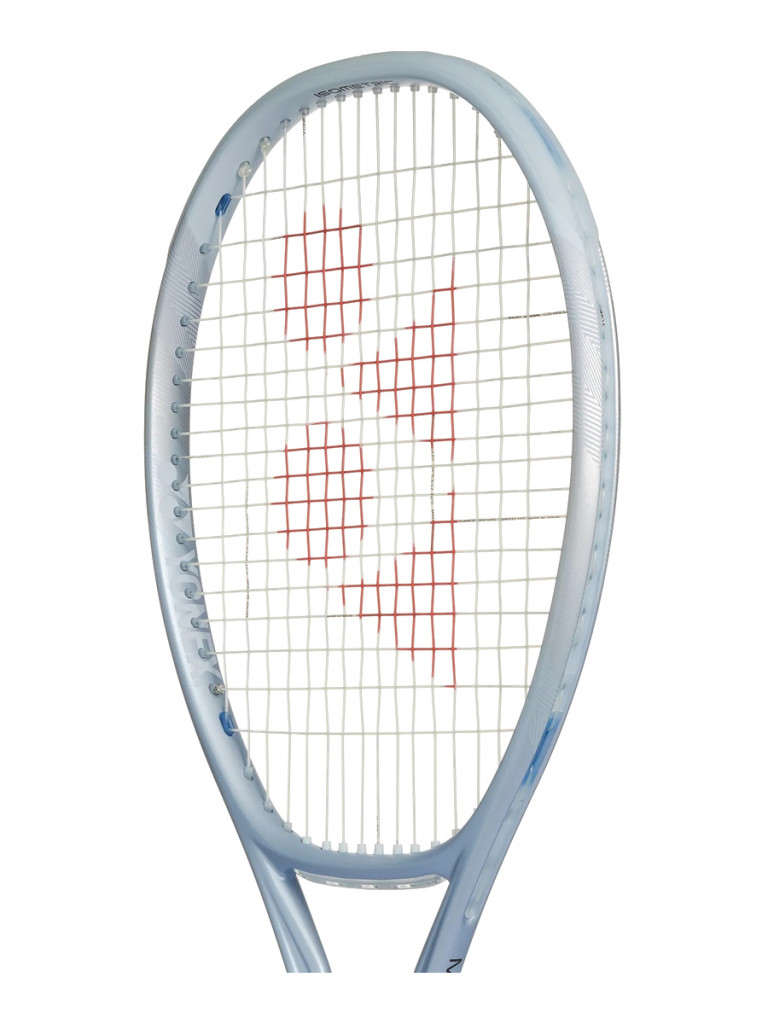
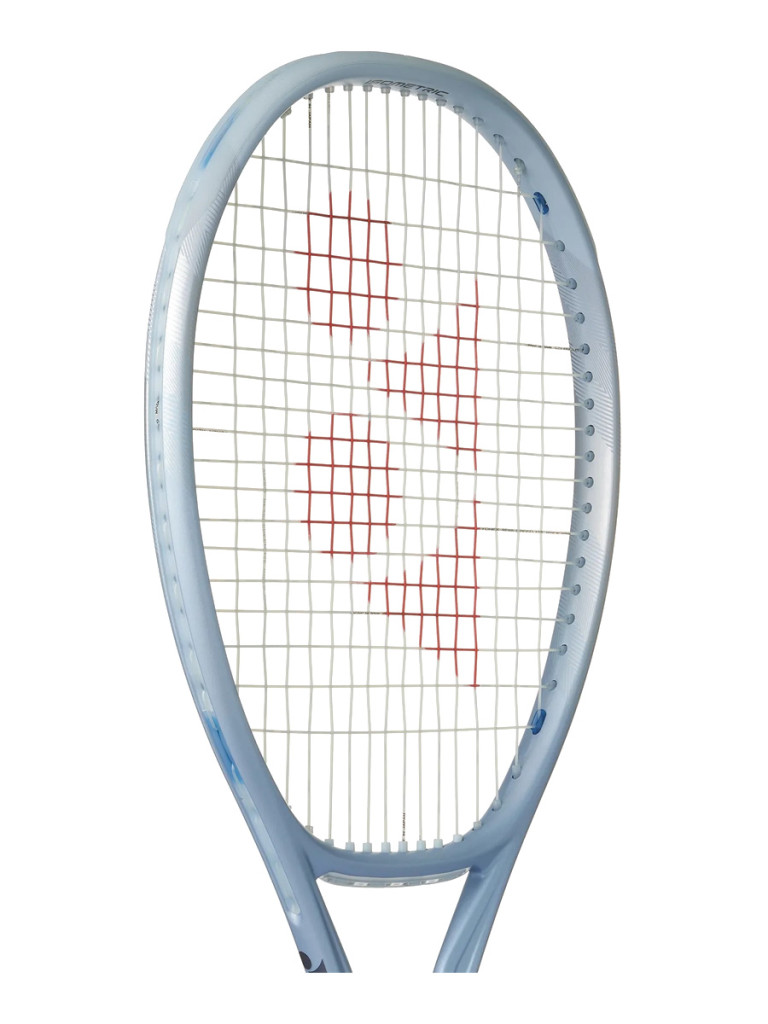
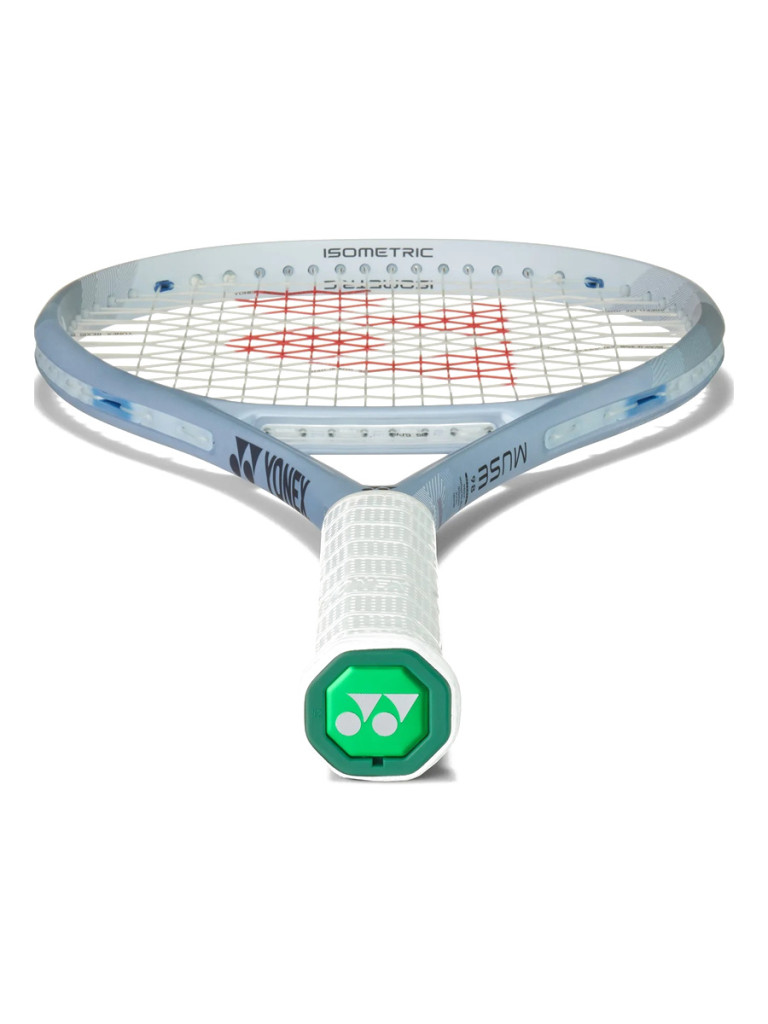
Energy Flow Shaft uses a specially shaped, concave racquet shaft that balances flexibility and stiffness for smooth power transfer and controlled response. In MUSE, it works with SERVO FILTER to refine vibration and impact feel.

Ratings are comparative editorial assessments by Tempo.bg, based on technical specifications and independent tests where available. Actual feel depends on playing style, string setup and individual preferences.
A playing profile describes the characteristics of a specific racquet on a scale from 1 to 5. These are comparative editorial assessments by Tempo.bg, not official manufacturer ratings or laboratory test results.
A rating of 1 indicates a less pronounced characteristic; 5 indicates a strongly pronounced one. A higher score does not mean a better racquet. Power 5/5 with Control 2/5 represents a different playing character from Power 2/5 with Control 5/5.
We consider specifications for the exact model, its construction and available independent expert reviews. Where reliable independent testing is unavailable, the assessment may rely on technical analysis and editorial judgement. We do not claim to have personally play-tested every racquet.
Ratings are relative to the relevant sport and racquet category. Junior racquets should be considered within their age group rather than directly compared with adult racquets.
On-court feel is personal. Strings and tension, technique and playing style can all influence how a racquet performs.
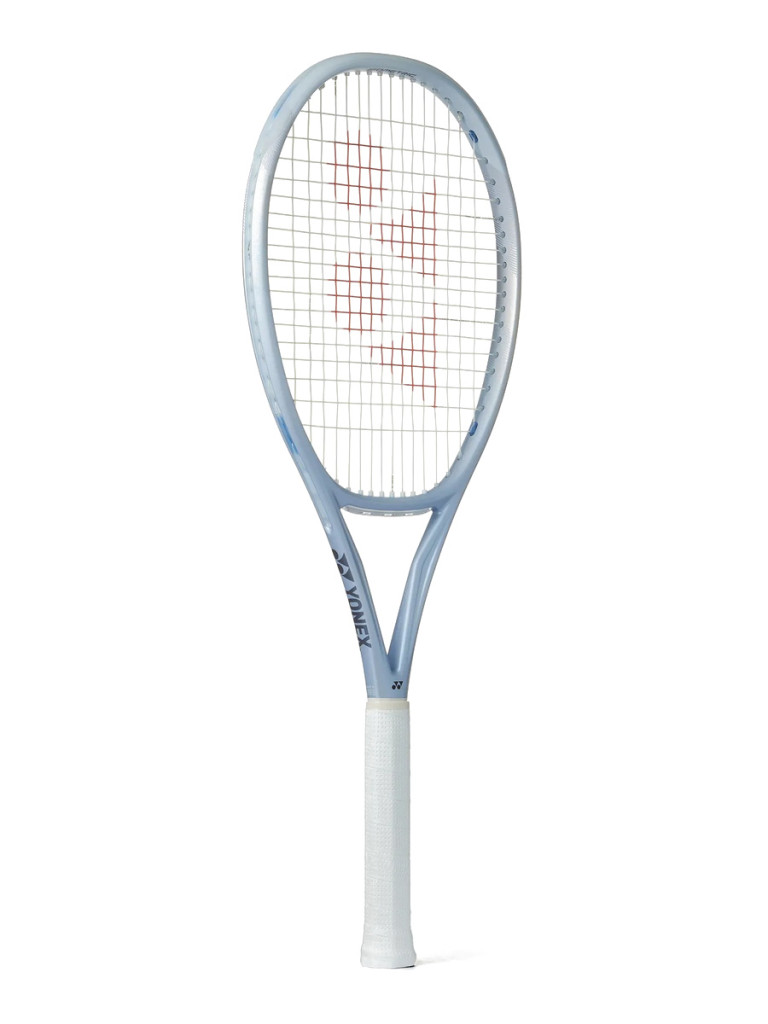
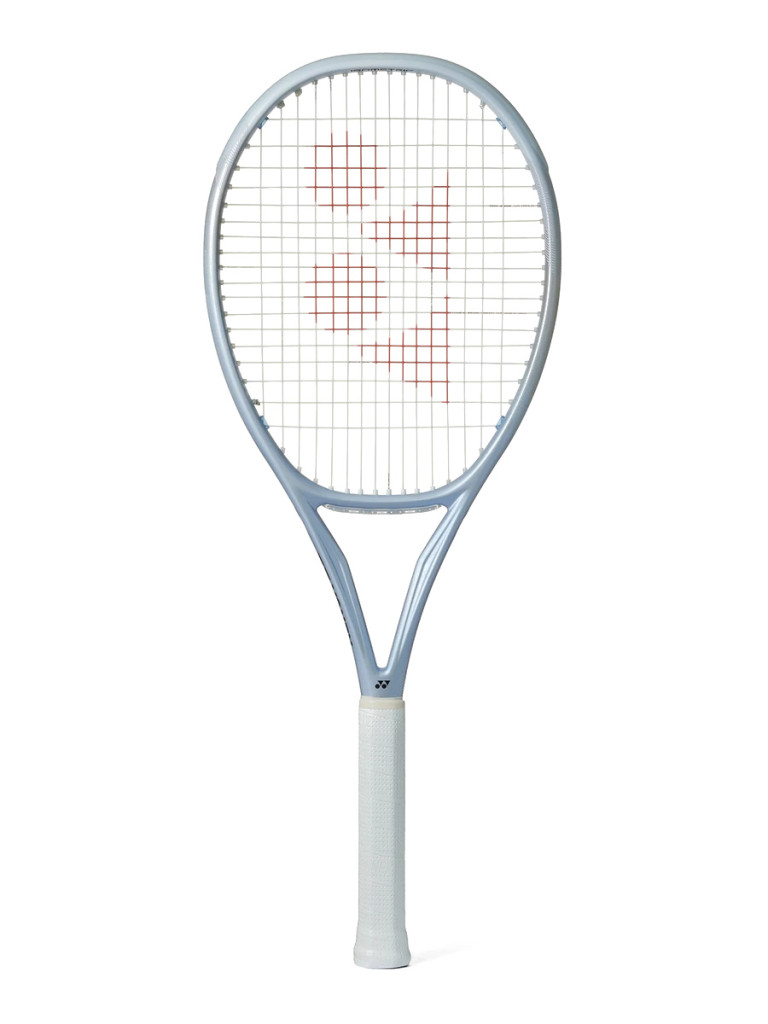
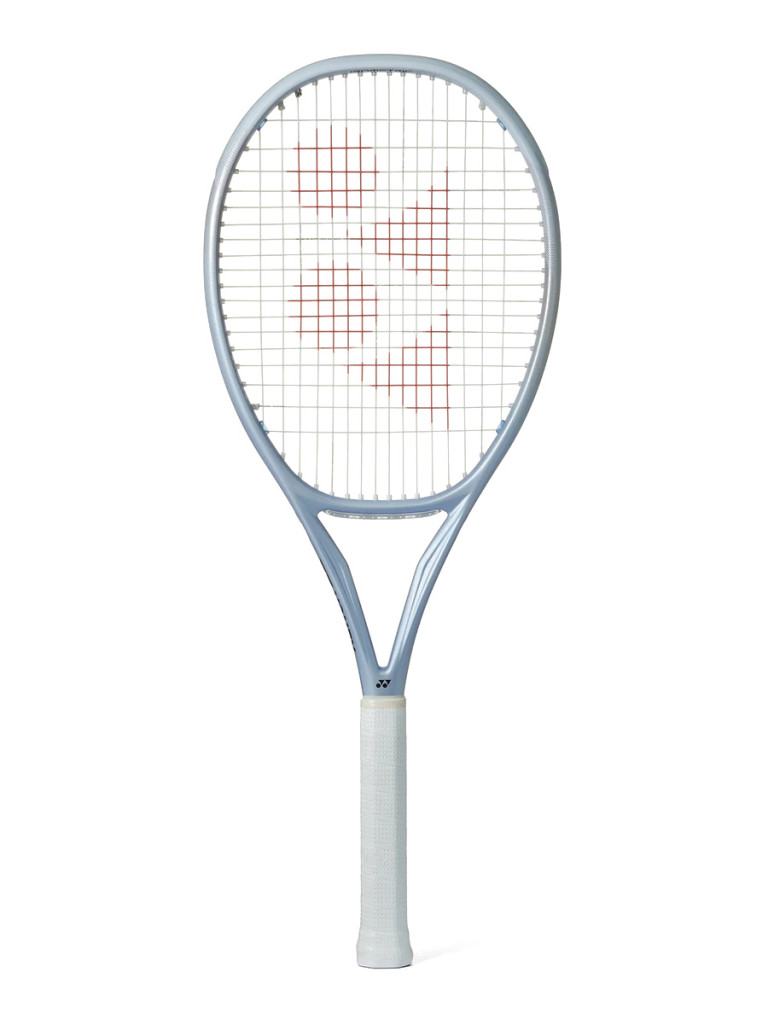
The Yonex MUSE 98 in Pearl Silver is the most precision-minded of the three MUSE frames in this selection. A 98-square-inch head and a 305 g unstrung weight make it a considered step away from the more accommodating MUSE 100 and 100L. It suits intermediate to advanced players with a reliable swing who enjoy choosing their targets, varying pace and feeling connected to the ball. Crucially, it keeps the welcoming feel that defines MUSE rather than chasing a harsh, uncompromising player-frame character.
The Synchro Frame concept is still central here. ISOMETRIC geometry and Uniform Impact Grommets are designed to even out the response of the string bed, while the Energy Flow Shaft works with SERVO FILTER to deliver controlled flex and a refined impact sensation. For someone generating their own racquet-head speed, these details are about information and predictability: knowing how contact felt and having the confidence to commit to the next shot.
A 315 mm nominal balance accompanies the more compact head, and the 16x18 string pattern keeps spin and trajectory changes firmly in the conversation. The MUSE 98 rewards consistent timing more than its 100-square-inch siblings, but it never loses sight of comfort and rallying enjoyment. Finished in understated matte Pearl Silver, it is a thoughtful choice for players who want precision with a human touch, not just a collection of demanding specifications.
MUSE 98 is the most contact-focused of these three stocked MUSE variants. Its 98 sq in head and 305 g mass favour a player with developed preparation who prefers to shape each shot. Expert playtests differ on spin, comfort and stock stability, so the final feel is worth judging with a familiar string setup. Players wanting a wider contact area and easier reactions may find MUSE 100 or 100L more approachable.
More from this category
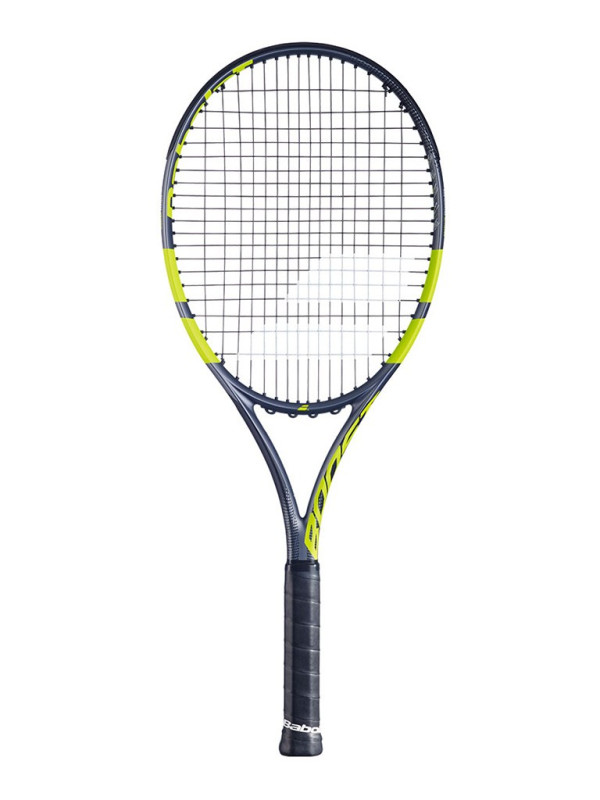
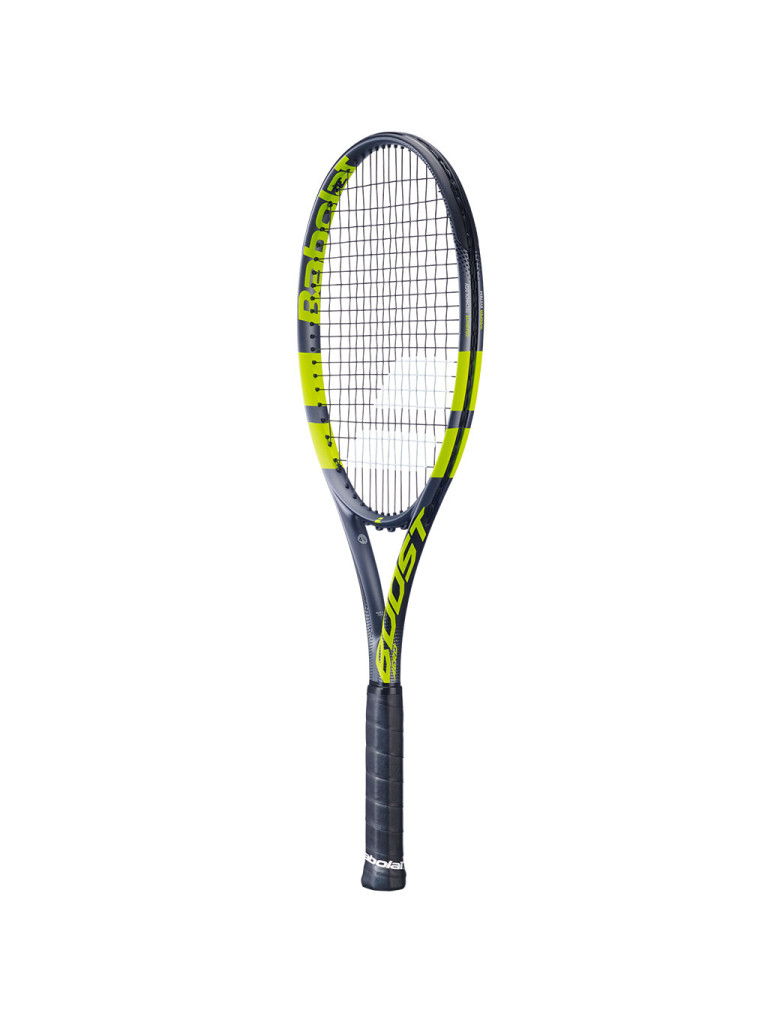
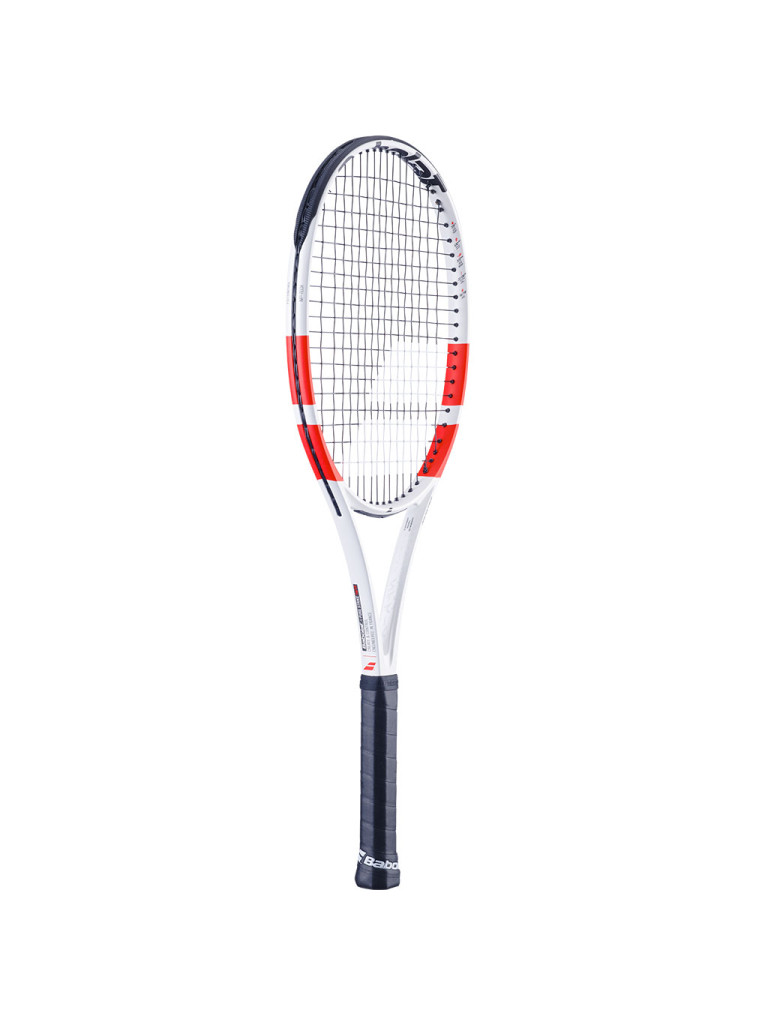
Babolat Pure Strike 16/19 Gen4 Strung Tennis Racquet
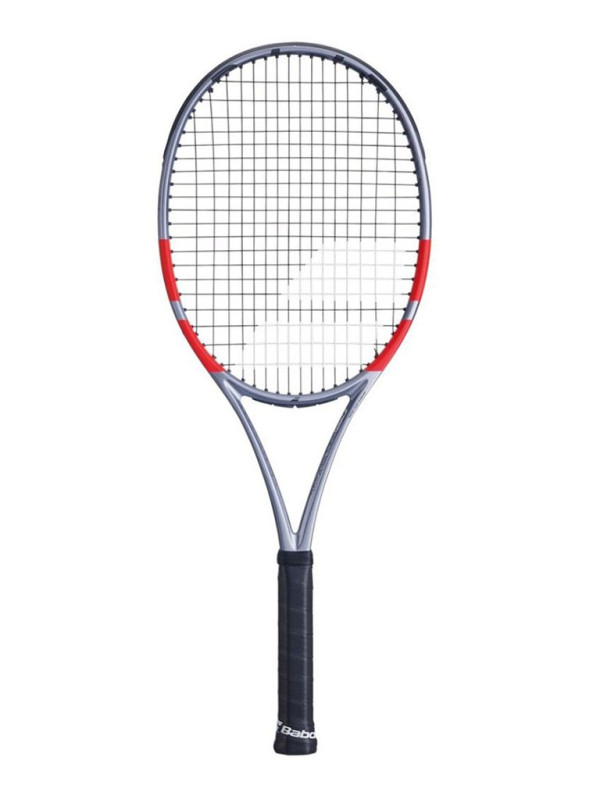
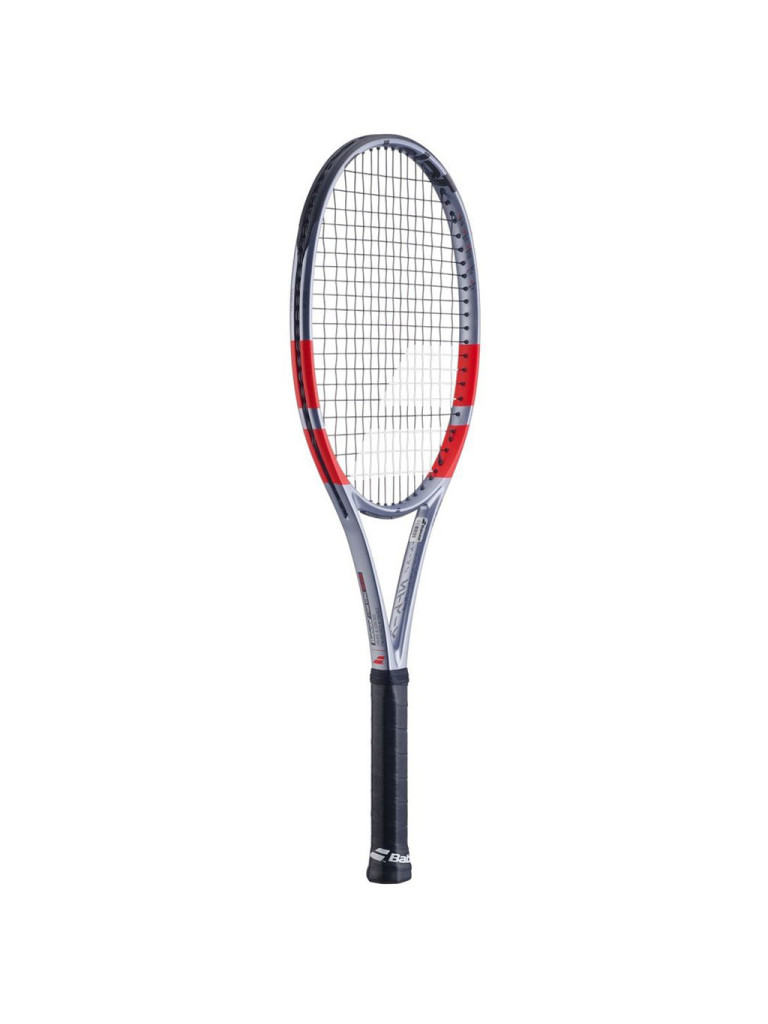
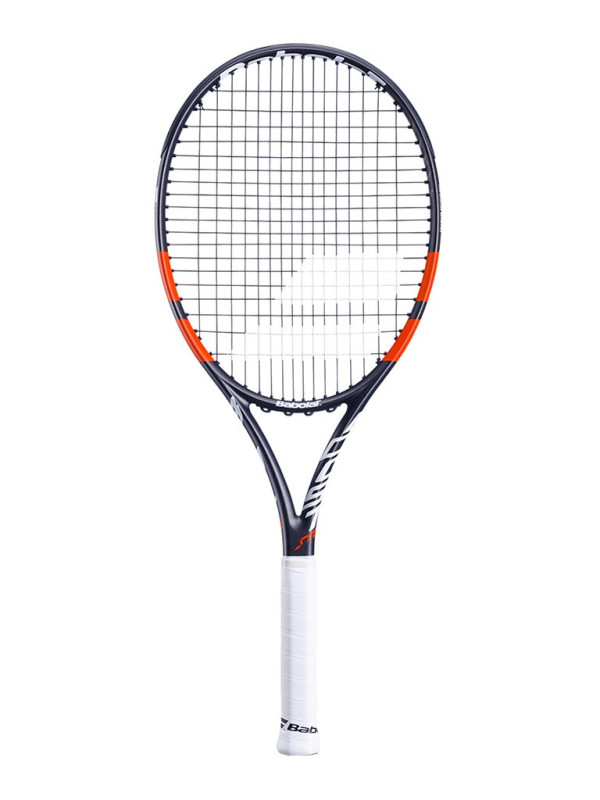
Babolat Pure Strike 98 16/19 Gen4 Grey Fluo Strike Tennis Racquet
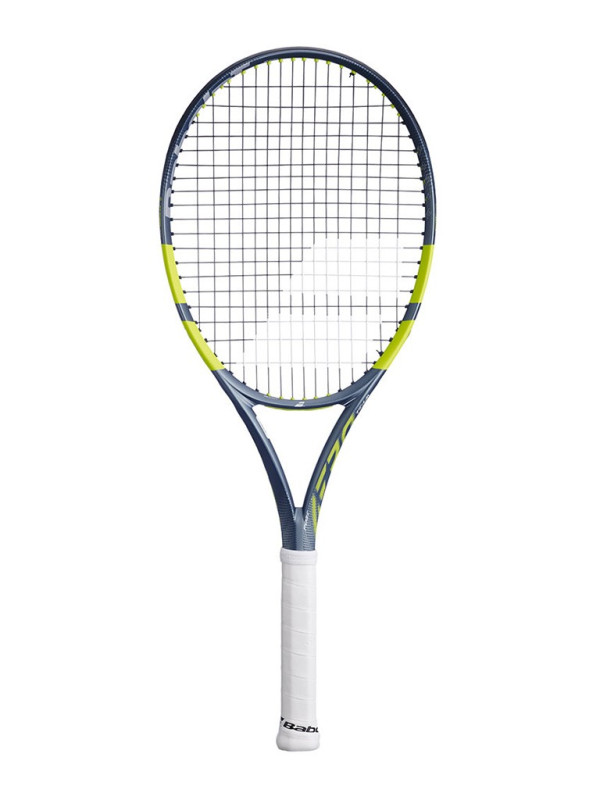
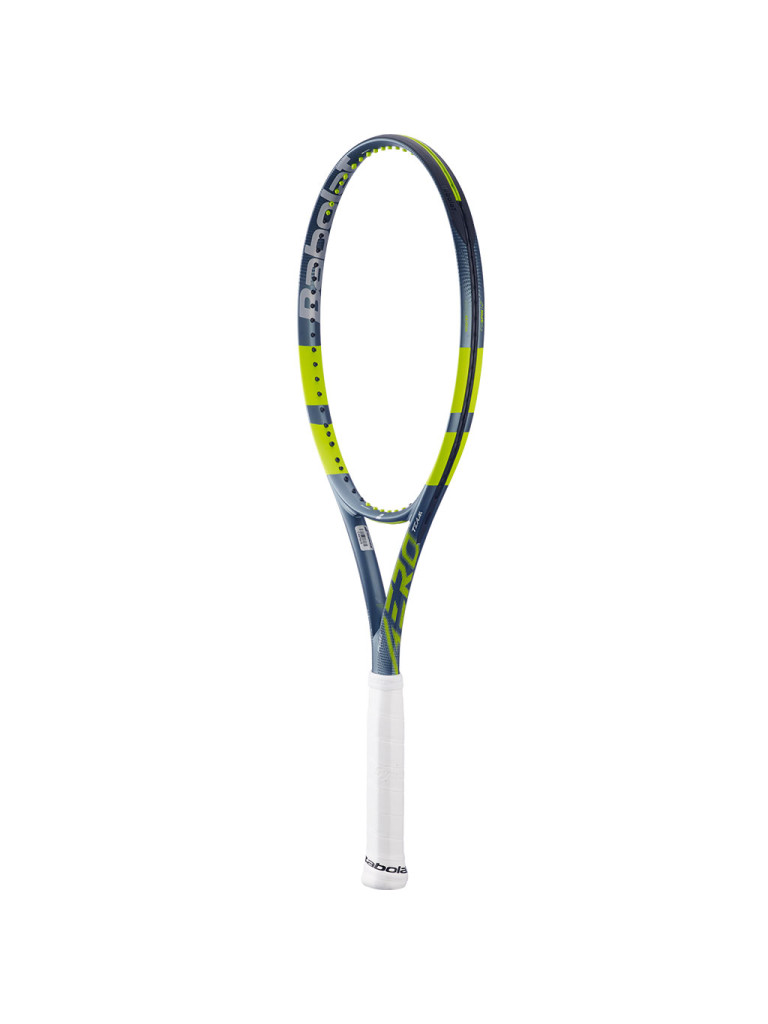
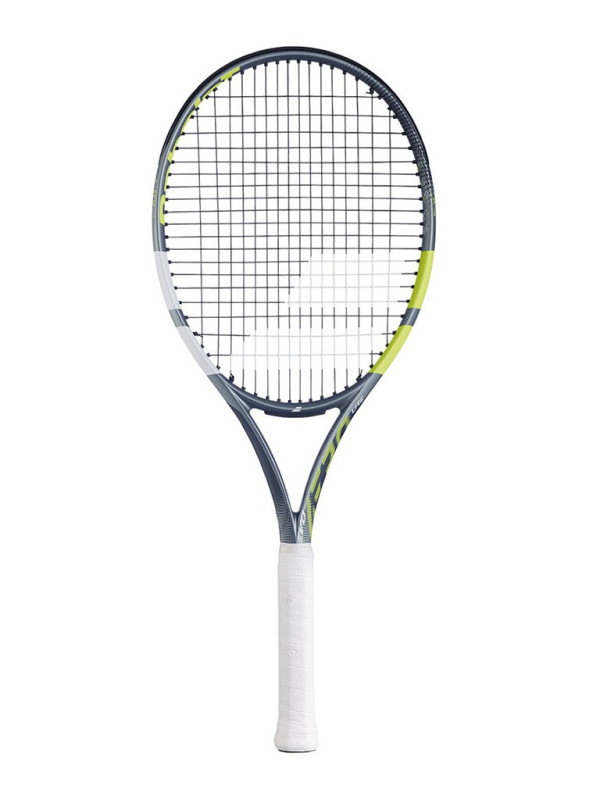
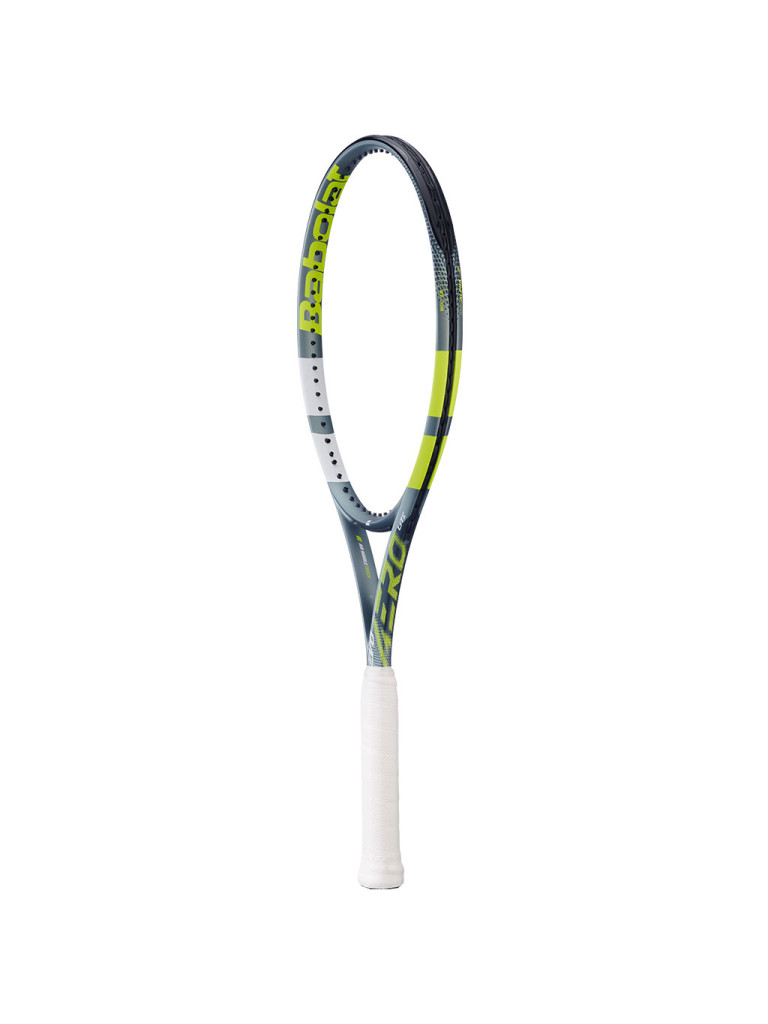
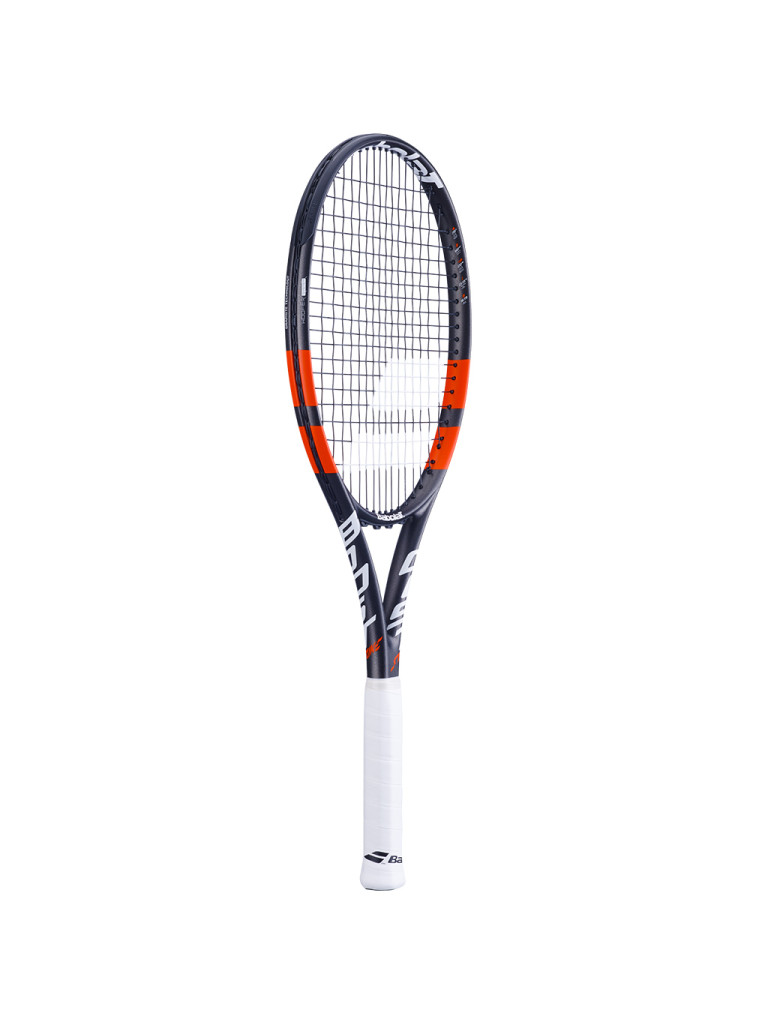
Babolat Evo Aero Lite Gen2 2026 Tennis Racquet
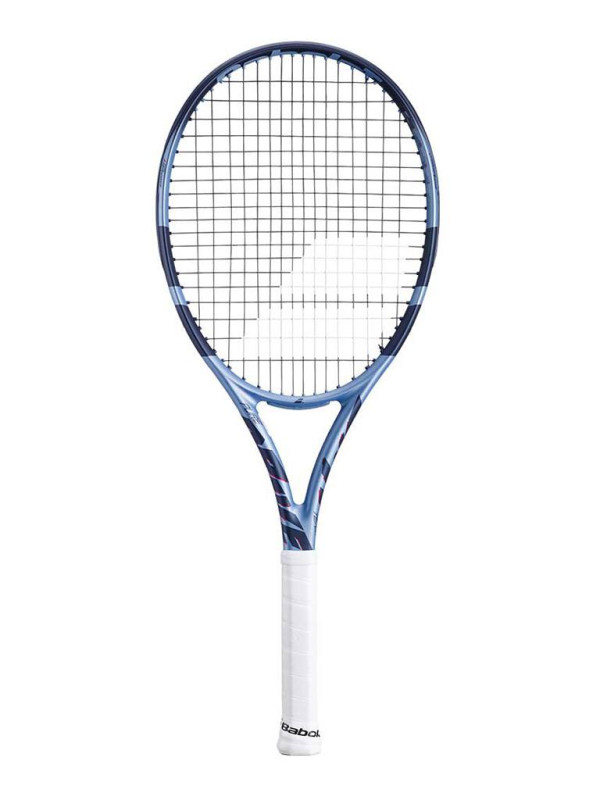
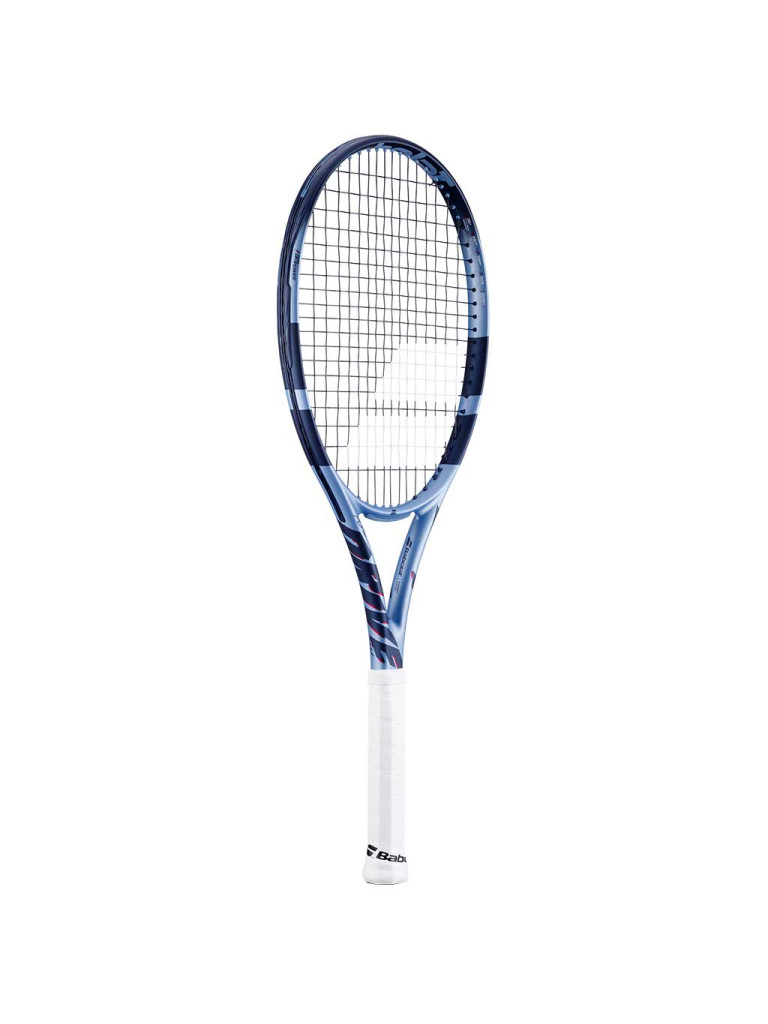
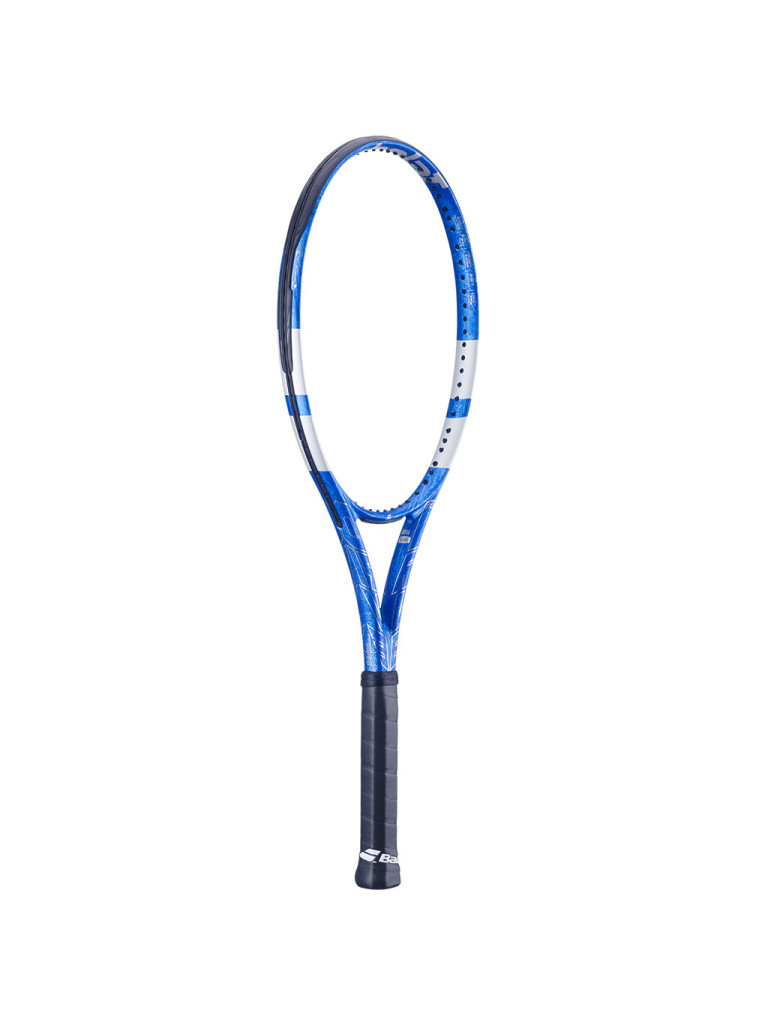
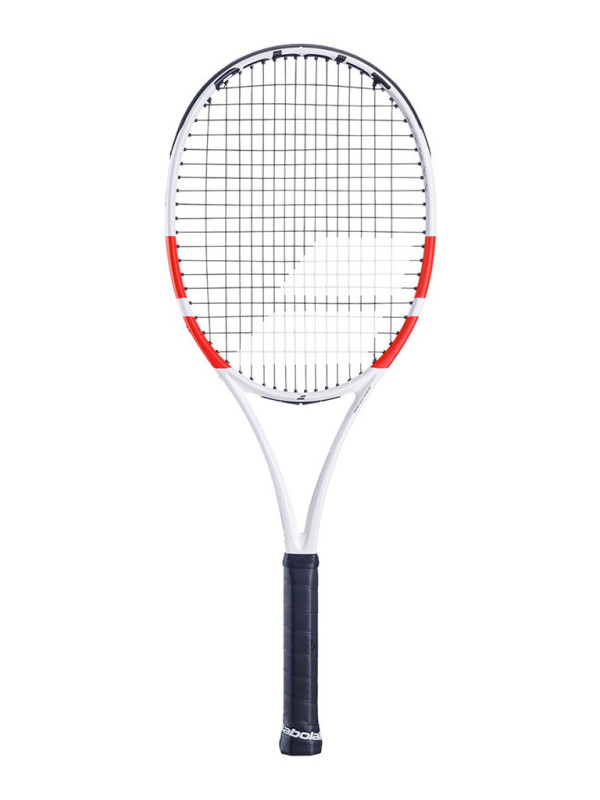
Babolat Pure Drive 30th Anniversary Tennis Racquet
Recently viewed
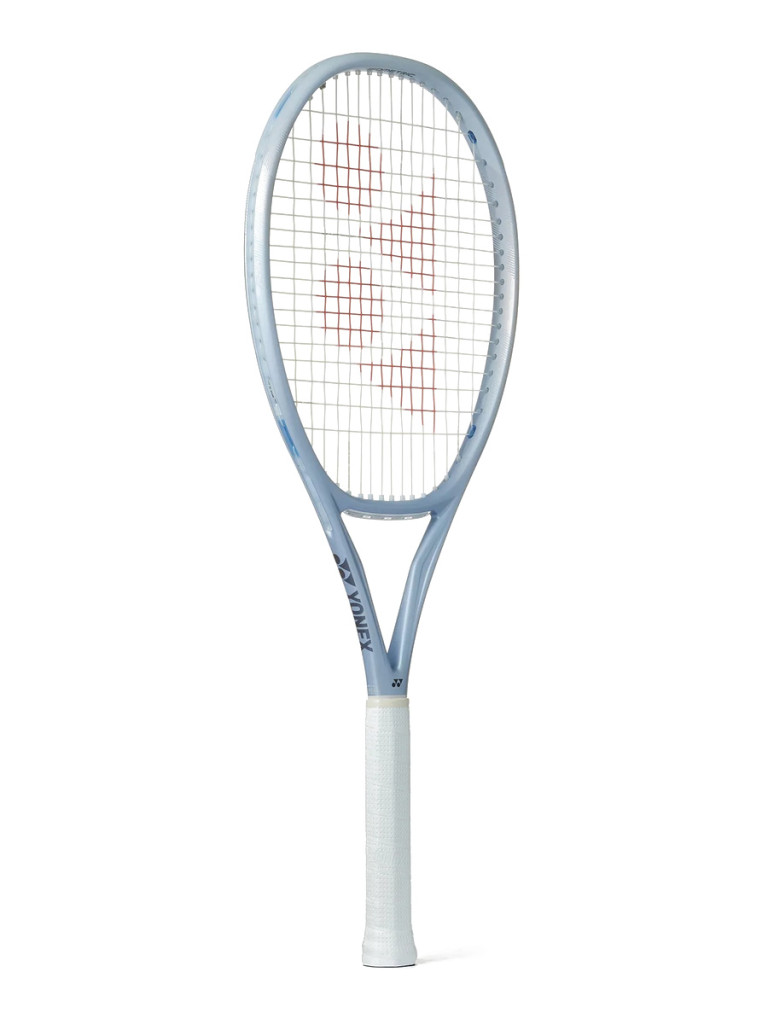
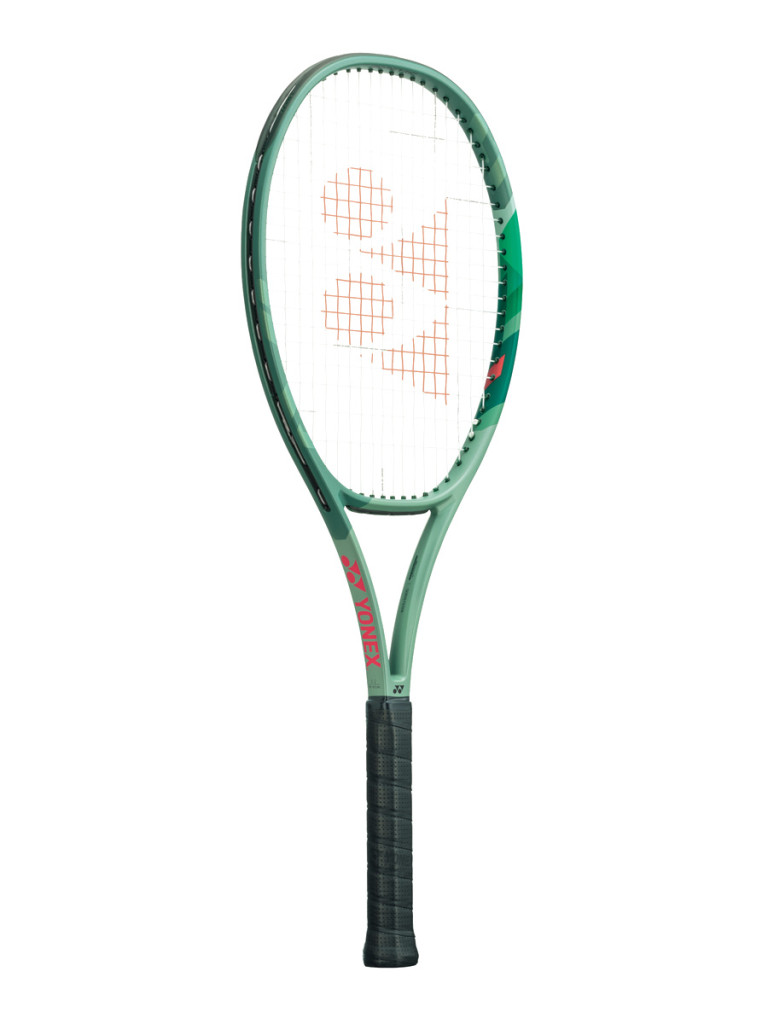
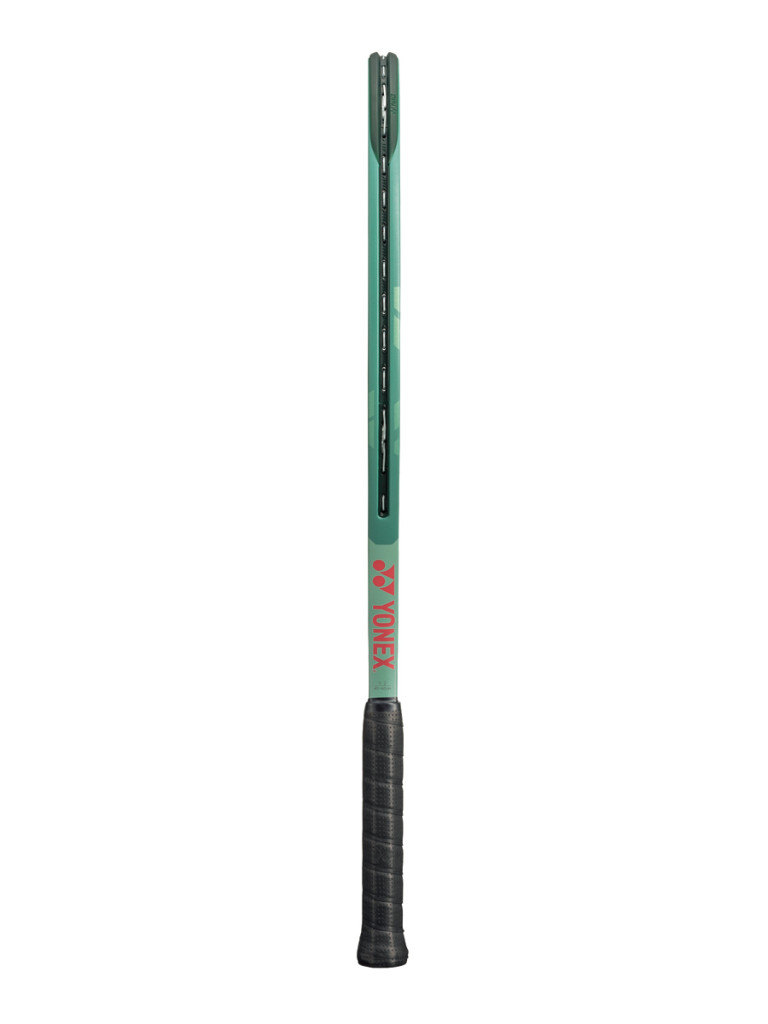
Yonex PERCEPT 100D Olive Green Tennis Racquet
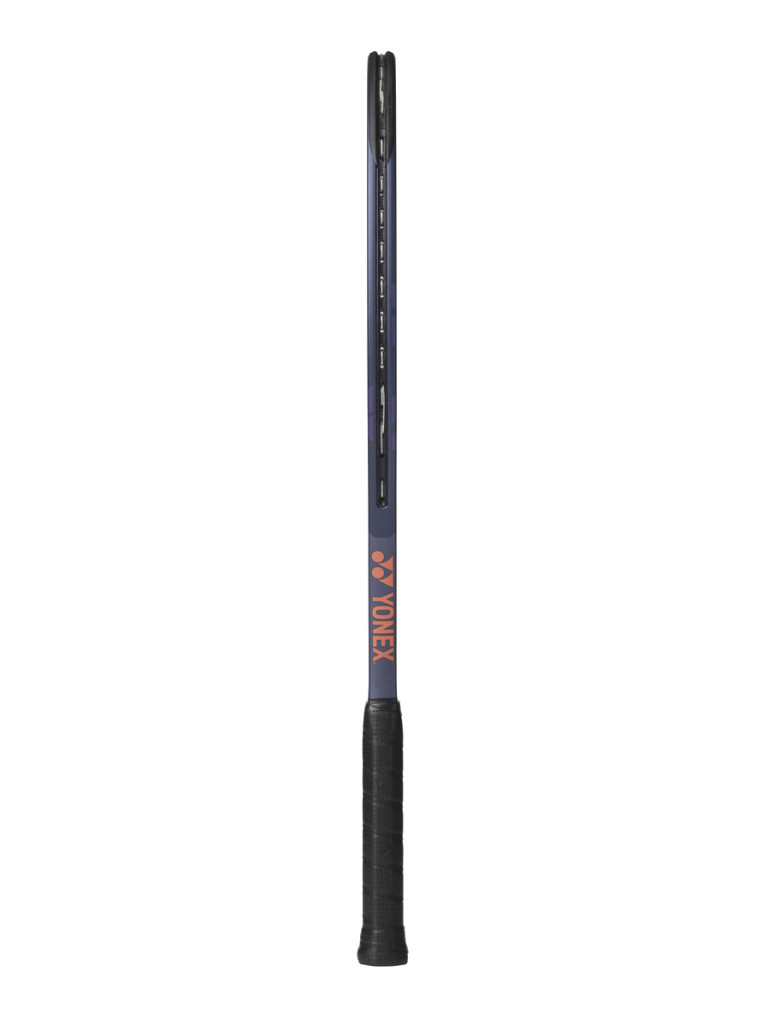
Yonex PERCEPT 97 Midnight Navy Tennis Racquet
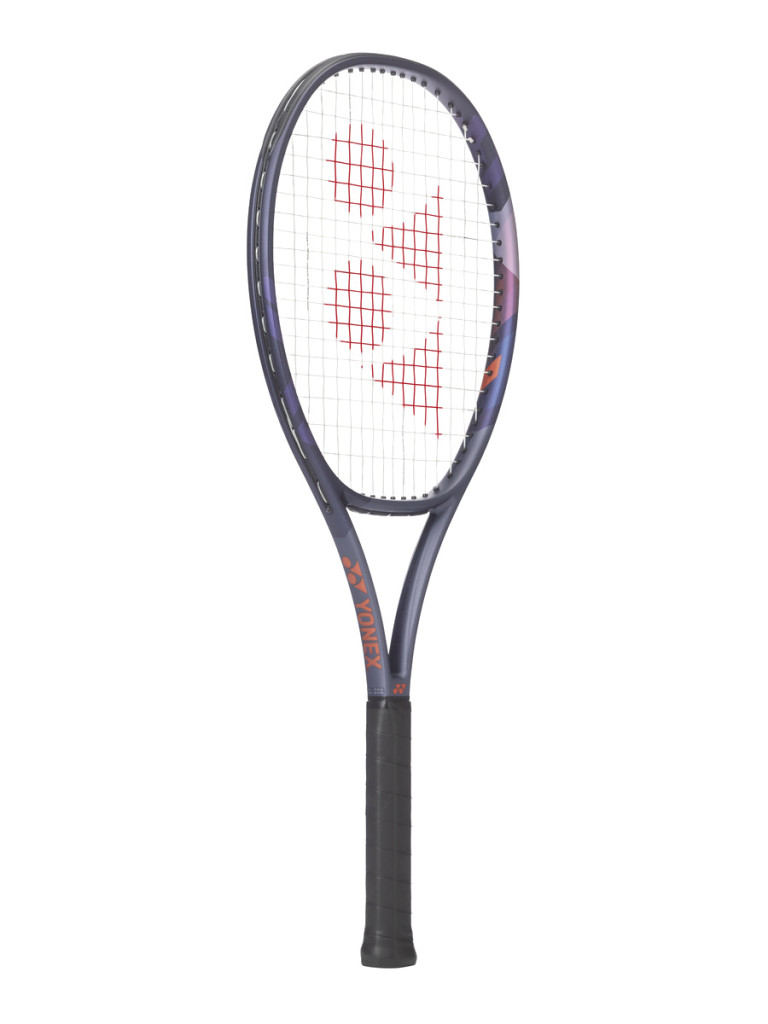
Yonex PERCEPT GAME Midnight Navy Tennis Racquet